Launching an online store is an exciting step for any business, but maintaining it properly is what helps keep the customer experience consistent. An e-commerce website is constantly evolving as businesses introduce new products, update offers, add applications, change designs, and respond to customer expectations.
Without regular attention, small issues can gradually affect website performance and sales. A proactive approach to website management can help online retailers maintain a reliable and professional shopping environment.
Keep Your Store Organized
An online store can quickly become difficult to manage as the product catalog grows. Old products, outdated collections, duplicate content, inactive promotions, and unnecessary applications can make the website harder to manage.
Regular reviews can help businesses keep their store organized. Product categories, collections, menus, and promotional sections should be checked regularly to ensure visitors can easily find what they are looking for.
Improve the Customer Journey
A customer may visit an online store through a search engine, advertisement, social media post, or direct link. Regardless of how they arrive, the website should provide a smooth path from product discovery to checkout.
Store owners should regularly review the complete customer journey:
- Landing on the website
- Browsing categories
- Viewing product details
- Adding products to the cart
- Applying discounts
- Selecting shipping options
- Completing payment
Identifying unnecessary steps or confusing elements can help improve the overall shopping experience.
Monitor Store Performance
Slow-loading pages can make online shopping frustrating. Performance issues may result from large media files, excessive applications, unnecessary scripts, or poorly optimized website elements.
Regular performance checks can help identify areas that need improvement. Compressing images, removing unnecessary elements, and reviewing installed applications may contribute to a faster browsing experience.
Keep Your Theme Updated and Functional
The visual design of an online store has a major impact on customer perception. A professional appearance can help build confidence, while outdated layouts may make a business appear less reliable.
However, design changes should always be tested carefully. Navigation menus, product displays, buttons, filters, and responsive layouts should work correctly across desktop and mobile devices.
Review Apps and Integrations
Third-party applications can add valuable functionality to an e-commerce store. They can support email marketing, customer reviews, analytics, inventory management, loyalty programs, and other business processes.
At the same time, unused or poorly managed applications can create unnecessary complexity.
Businesses should periodically review their installed apps and remove tools that are no longer needed. A professional shopify maintenance company can also help monitor integrations and identify technical issues.
Focus on Mobile Customers
Mobile users are an important part of modern e-commerce. Customers expect websites to display correctly on smartphones and tablets.
Businesses should regularly check mobile versions of their stores for:
- Easy navigation
- Readable text
- Properly displayed images
- Working buttons
- Simple checkout
- Fast loading
- Functional forms
A consistent mobile experience can help reduce friction and encourage customers to complete purchases.
Check Your Store Regularly
Routine website checks can identify problems before customers notice them. Broken links, missing images, incorrect product information, and malfunctioning forms can all affect credibility.
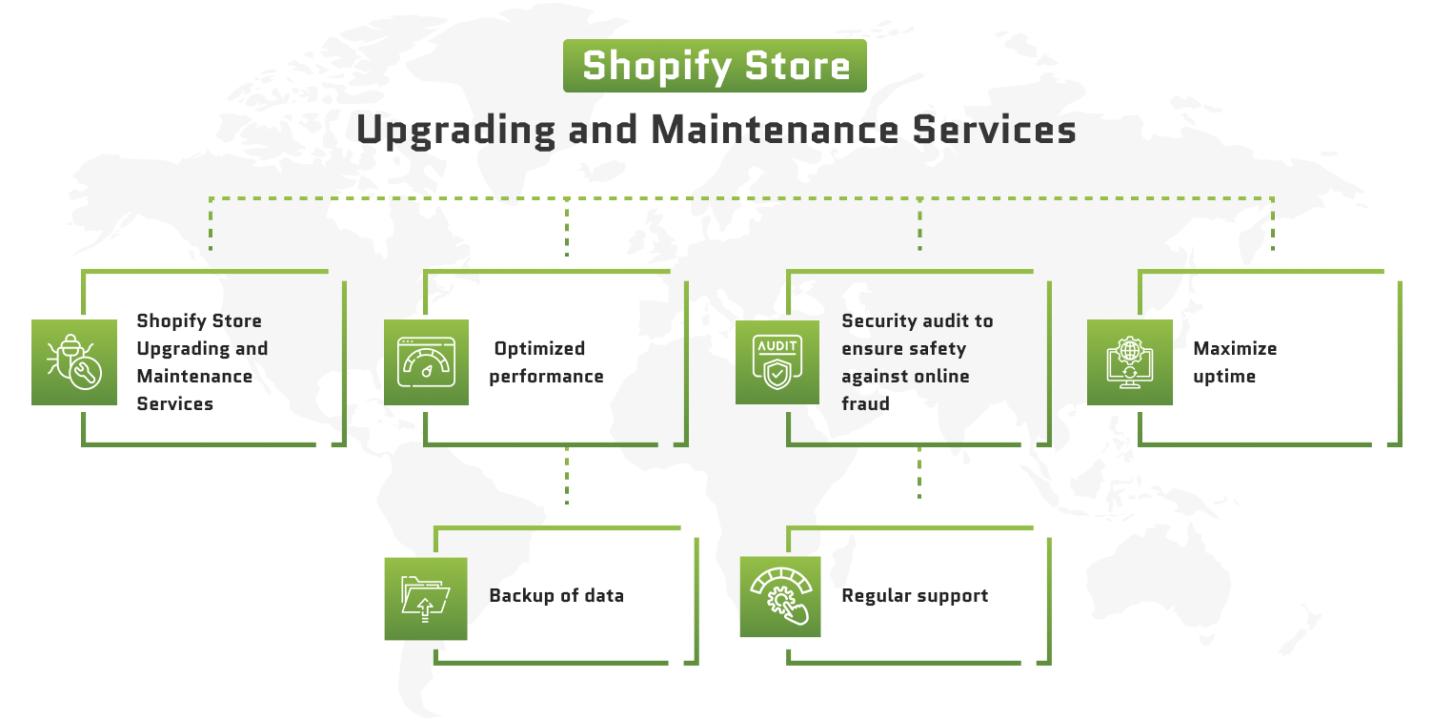
This is where shopify maintenance services can provide ongoing value. Regular technical reviews can help businesses identify issues, maintain website functionality, and keep important store elements working properly.
Make Security a Priority
Online retailers handle customer information and business data, making security an important consideration. Store owners should regularly review applications, user access, integrations, and other relevant settings.
A proactive approach can help businesses reduce avoidable risks and maintain customer confidence.
Use Data to Improve the Store
Store performance data can reveal how visitors interact with the website. Businesses can analyze product views, cart activity, conversion rates, traffic sources, and other useful information.
These insights can help identify areas where customers may be leaving the purchasing journey and where improvements could increase conversions.
Turn Maintenance Into Continuous Improvement
The goal of shopify maintenance should not simply be fixing problems. Regular website reviews can also create opportunities to improve the customer experience.
Businesses can use maintenance periods to:
- Refresh outdated content
- Improve product pages
- Simplify navigation
- Optimize images
- Test checkout functionality
- Improve mobile usability
- Review conversion opportunities
This approach turns routine website care into a continuous improvement process.
Conclusion
An online store needs ongoing attention to remain effective in a competitive e-commerce environment. Regular reviews can help businesses maintain functionality, improve performance, keep information accurate, and provide a better experience across devices.
Instead of waiting for customers to report problems, businesses can take a proactive approach to store management. Consistent improvements can help create a more reliable shopping environment and support stronger customer relationships and long-term e-commerce growth.