Organizations classified as Significant Data Fiduciaries under the DPDP Act face higher requirements: appointment of a Data Protection Officer based in India, independent data audits and periodic Data Protection Impact..
The Digital Personal Data Protection Act, 2023 establishes clear obligations for organizations that process digital personal data of individuals in India. Data Fiduciaries must obtain valid consent, respect purpose limitation..
The Indian IT and ITES sector processes vast volumes of personal data for domestic and global clients. With the Digital Personal Data Protection Act, 2023 now operational through the DPDP..
With the enactment of India's Digital Personal Data Protection Act (DPDPA), 2023, data privacy has transitioned from a best practice into an absolute legal mandate across the nation. Indian organizations..
The DPDPA introduces some of the most stringent monetary penalties in Indian regulatory history for non-compliance and personal data breaches. Fines prescribed under the Act can reach up to hundreds..
Entities that handle high volumes of personal data, process sensitive information, or utilize complex automated profiling technologies face elevated regulatory scrutiny. Under modern privacy frameworks, these organizations are classified as..
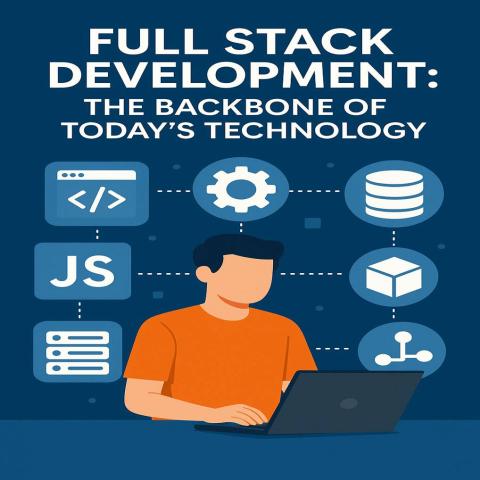
In today’s fast-moving digital world, technology evolves every second. At the heart of most modern web and mobile applications lies one crucial element — Full Stack Development. It’s more than..
Is AI the Future or the Present? From virtual assistants in smartphones to self-driving cars and personalized content on streaming platforms, Artificial Intelligence (AI) is already changing how we live..
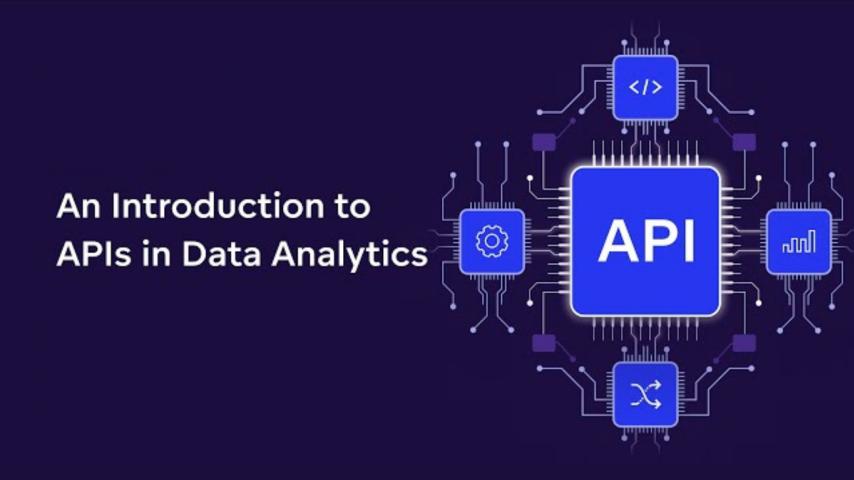
IntroductionImagine you open your favorite ride-sharing app. You check the estimated fare, track the driver’s location, and see the trip summary in real time. Ever wondered how all that information..
Introduction:In the fast-evolving world of Agile product development, one question consistently surfaces: Does the Product Owner role truly hold value, and does it have a future in the tech-driven workplace?..
Impartiality is the single most important foundation of credible certification. ISO/IEC 17021-1 requires every certification body to treat impartiality as an ongoing management responsibility rather than a one-time policy statement...
Organizations classified as Significant Data Fiduciaries under the DPDP Act face higher requirements: appointment of a Data Protection Officer based in India, independent data audits and periodic Data Protection Impact..
Bangalore’s technology campuses, manufacturing units, aerospace facilities, biotechnology operations and expanding construction sector create a diverse set of occupational health and safety risks. From ergonomic challenges in software environments to..
Across Iraq, organizations operating in manufacturing, construction, oil and gas, logistics, infrastructure development and related industrial sectors face substantial occupational health and safety challenges. The combination of complex operations, diverse..
Across Iraq, food processing, packaged foods, dairy, beverages, hospitality and distribution organizations face the dual challenge of meeting regulatory requirements and satisfying quality-conscious clients. ISO 22000 provides a structured international..
Baghdad’s manufacturing, construction, logistics and service industries involve significant occupational health and safety risks. Implementing ISO 45001 enables organizations to manage these risks systematically and create safer working environments.The standard..