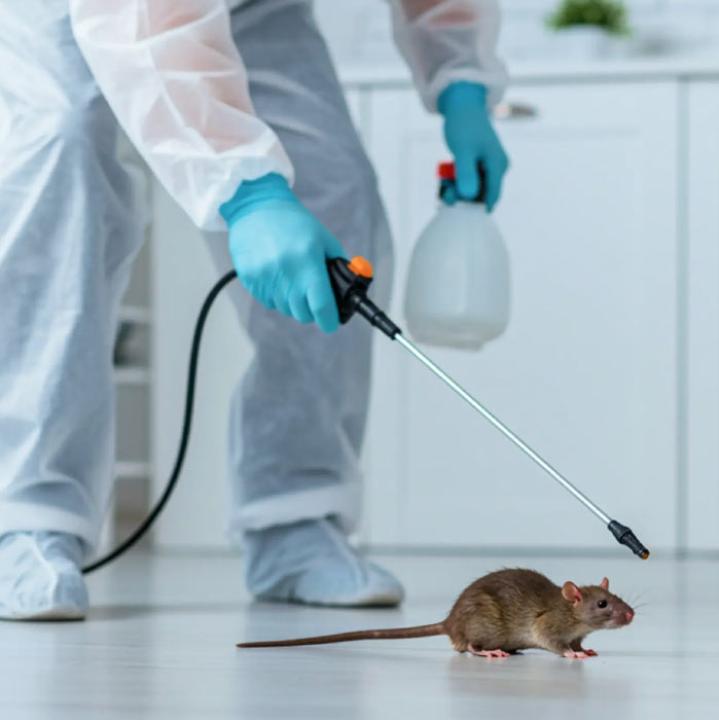
Rodents can become a serious problem before you even realise they are there. A few droppings, scratching sounds at night, gnaw marks or an unusual smell can all indicate that rats or mice have found their way into your property. Once established, they can reproduce quickly and cause damage to buildings, contaminate food and create ongoing hygiene concerns.
Professional rodent control services can help identify the source of an infestation, remove rodents safely and reduce the chances of them returning. For homes, restaurants, warehouses and other commercial properties, dealing with the problem early is usually far easier than waiting for the infestation to grow.
Key Takeaways
- Rodent infestations can grow quickly if they are not addressed early.
- Rats and mice can cause property damage and create hygiene concerns.
- Droppings, scratching sounds, gnaw marks and unusual smells are common warning signs.
- Professional rodent control services can address both the infestation and potential entry points.
- Rodent-proofing and regular monitoring are important for long-term prevention.
- Commercial properties may benefit from ongoing rodent management rather than a one-time treatment.
- Drainage issues can sometimes contribute to rodent access and should not be overlooked.
What Causes Rodent Infestations?
Rats and mice are naturally attracted to properties where they can find food, water and shelter. Even a small gap around a pipe, drain or door can provide enough access for rodents to enter.
Common factors that attract rodents include:
- Uncovered food or food waste
- Overflowing bins or poorly stored rubbish
- Gaps around doors, walls and pipework
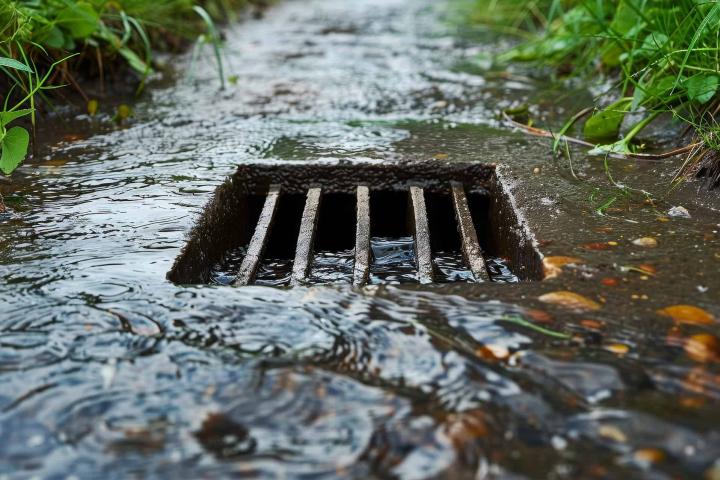
- Damaged drains or underground drainage systems
- Cluttered storage areas
- Accessible water sources
- Overgrown outdoor areas
In some cases, rodents may enter through drainage systems and eventually find their way into buildings. This is one reason why drainage problems and rodent infestations can sometimes be closely connected.
Signs You May Have a Rodent Problem
Rodents are often active at night, so you may not see them directly. Instead, look for signs that suggest they are living nearby.
Some of the most common warning signs include:
Droppings
Small, dark droppings around cupboards, food storage areas, lofts or along walls can indicate rodent activity.
Scratching and Scurrying Sounds
Hearing scratching, gnawing or movement inside walls, ceilings or under floors, particularly at night, can be a strong indication of rats or mice.
Gnaw Marks
Rodents regularly gnaw materials to keep their teeth under control. Damaged packaging, wood, insulation, cables and other materials can therefore be signs of activity.
Unusual Smells
A persistent musky or unpleasant smell may develop when rodents are nesting in enclosed spaces.
Grease Marks
Rats and mice often follow the same routes repeatedly. Greasy marks along walls, skirting boards and other surfaces can reveal their movement paths.
Recognising these signs early gives you a better chance of dealing with the issue before it becomes widespread.
Why Professional Rodent Control Is Important
Trying to deal with rodents yourself may seem like the quickest option, particularly when you have only noticed one or two animals. However, seeing a rodent does not necessarily mean there is only one.
Professional rodent control services take a more complete approach. Rather than simply removing visible pests, the process can involve identifying where rodents are entering, locating activity and taking measures to prevent future access.
This can be especially important for commercial properties, where an infestation could affect stock, food hygiene, employees and customers.
What Do Rodent Control Services Include?
A professional treatment programme can vary depending on the property and severity of the infestation. Typical services may include:
Inspection and Assessment
The first step is identifying evidence of rodent activity and potential entry points. This helps determine the most appropriate treatment strategy.
Rodent Removal
Professional techniques can be used to remove rats and mice safely and efficiently. The treatment method should be appropriate for the property and the type of infestation.
Rodent-Proofing
Removing rodents is only part of the solution. Sealing gaps and access points can help prevent new rodents from entering once the existing infestation has been addressed.
Monitoring and Trapping
Monitoring can help determine whether rodent activity continues after treatment. Trapping and other control methods can be used as part of an ongoing management plan.
Cleaning and Sanitisation
Rodents can contaminate areas through droppings, urine and nesting materials. Cleaning and sanitising affected areas can therefore be an important part of restoring a safe environment.
Rodent Control for Homes and Businesses
Rodent problems are not limited to residential properties. Businesses can face significant challenges if rats or mice enter their premises.
Restaurants, cafés, warehouses, shops, offices, food preparation facilities and other commercial buildings may require ongoing monitoring and prevention.
For businesses, effective rodent management can help protect:
- Food and stock
- Equipment and property
- Workplace hygiene
- Employees and visitors
- Business reputation
- Compliance with applicable requirements
A tailored approach is often more effective than relying on a one-off treatment, particularly where a property has recurring rodent activity.
How to Prevent Rats and Mice from Returning
Professional treatment can address an existing infestation, but prevention plays an equally important role.
Simple steps can make your property less attractive to rodents:
- Store food securely: Keep food in sealed containers and avoid leaving food exposed.
- Manage waste properly: Use secure bins and remove rubbish regularly.
- Seal potential entry points: Check gaps around doors, pipes, vents and walls.
- Keep areas tidy: Reduce clutter where rodents could hide or build nests.
- Check drainage: Damaged or poorly maintained drainage can create potential routes for pests.
- Monitor for warning signs: Act quickly if you notice droppings, gnawing or unusual noises.
If signs keep returning despite these measures, it may indicate that the underlying access point has not been identified.
Get Professional Help Before a Small Rodent Problem Grows
A rodent problem rarely disappears simply by waiting. If you have noticed signs of rats or mice around your property, taking action early can help limit damage and prevent the infestation from spreading.
Precise Drainage Solutions provides professional rodent control services for residential and commercial properties across the UK, including rodent removal, rodent-proofing, monitoring, emergency response and cleaning and sanitisation. Their approach is tailored to the property and the level of rodent activity.
If you suspect an infestation, contact Precise Drainage Solutions for a free quote or site survey and discuss the most suitable solution for your property.
Frequently Asked Questions
1. What are the most common signs of a rodent infestation?
Common signs include droppings, scratching noises, gnaw marks, unpleasant smells, damaged food packaging and grease marks along walls or skirting boards.
2. How do professional rodent control services work?
The process generally starts with an inspection to identify rodent activity and potential entry points. Treatment, monitoring, trapping and prevention measures can then be tailored to the property.
3. Can rodents enter a property through drains?
Yes, rodents can sometimes use drainage systems and other openings as routes into or around buildings. If rodent activity continues, checking potential access points and drainage infrastructure may be worthwhile.
4. Is rodent control suitable for commercial properties?
Yes. Rodent control can be used for restaurants, cafés, warehouses, retail premises, offices and other commercial properties. Ongoing monitoring may be appropriate where there is a higher risk of recurring infestations.
5. How can I prevent rats and mice from returning?
Keep food and waste secure, remove clutter, seal potential entry points and address drainage or structural issues that could provide access. Regular monitoring can also help identify new activity early.