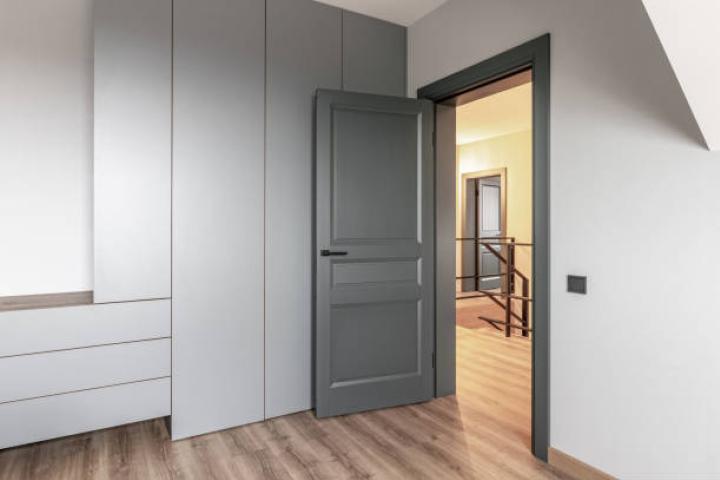
A refined home does not always come from expensive furniture or dramatic decoration. Sometimes it comes from small choices that fit together well. Doors are one of those choices. We walk through them every day but rarely stop to think about how much space they take up. A plain door can fade into the background. A carefully chosen door can make a room feel calmer. Warmer or more complete. Bespoke internal doors give homeowners more room to make those choices. You can decide on the material. Size. Colour. Panel >
What makes a home feel refined?
Refinement often comes from balance. The colours work together. Furniture has enough space around it and materials do not fight for attention. Doors can support that balance when you choose them with the rest of the interior in mind. A well proportioned door can make a narrow hallway feel more settled. A warm timber finish can soften a modern room. A simple painted door can keep a traditional space from feeling too heavy. The details do not need to shout. In fact the quieter choices often make a home feel more comfortable. You notice the overall effect rather than one object demanding all your attention.
How can bespoke doors improve the look of a hallway?
Hallways often have limited space for decoration. You may have several doorways along one wall and very little room for furniture. This makes the doors part of the visual structure. Matching designs can create a clean rhythm. Similar panel shapes can link the rooms together while different colours can give each area its own feel. Tall doors can draw the eye upwards and make the corridor feel more open. Timber can bring warmth to a long passage that might otherwise feel cold. You do not need to fill the walls with pictures when the doors already add enough detail.
Why does proportion matter so much?
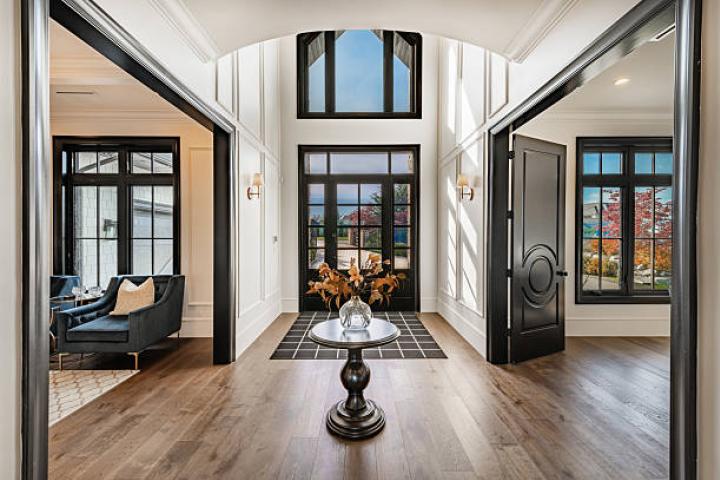
A door can look wrong even when the material and colour are beautiful. Usually the problem comes down to proportion. A short door under a high ceiling may feel lost. A wide door in a tight room can seem bulky. A tall design can make a room feel more generous when the proportions suit the space. Made to measure options give you more control over this. You can work with the existing opening rather than trying to squeeze a standard size into it. The frame matters as well. It should support the door without making the whole doorway look awkward.
Can natural timber make a home feel more refined?
Natural timber brings texture into a room. You can see the grain and notice small differences in colour across the surface. Oak can give a light and friendly feel. Walnut brings deeper tones and a stronger presence. Other woods can create their own mood depending on the finish. Timber also works with many interior >
What role does colour play in a refined interior?
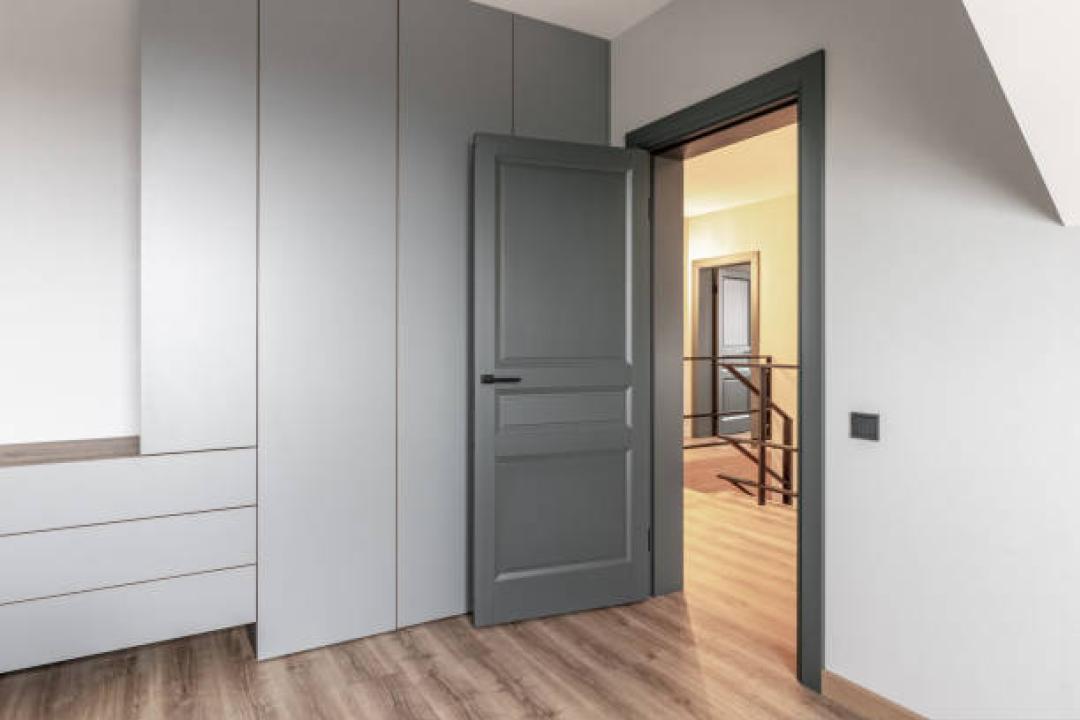
Colour sets the mood before you notice most other details. White doors can keep a room bright and simple. Soft grey can add a little depth without becoming heavy. Deep green or navy can give a doorway more presence. Natural wood adds its own colour through the grain. You can also use a door shade that sits close to the wall if you want a calm appearance. Contrast works too. A dark door against a pale wall can create a clear focal point. The choice depends on the room and the atmosphere you want rather than a rule about what looks expensive.
Should every door in the home match?
Not always. Using the exact same door throughout the house can create consistency but it can also make every room feel identical. Different spaces have different needs. A bedroom may suit a solid timber door. A study might benefit from glass. A living room could have a more decorative panel design. You can still keep a common thread through the hardware. Wood tone or panel shape. That gives the home a sense of connection without removing all the variation. A house feels more natural when each room has some identity of its own.
How can panel designs add a refined touch?
Panels change the surface of a door without needing extra decoration. A few clean rectangular sections can create a neat pattern. Raised panels can bring a more traditional feel. Recessed panels can look quieter and work well in modern interiors. You can also use a simple vertical layout to emphasise height. The number and size of the panels matter. Too many can make the door feel busy. Too few may look plain depending on the room. Good proportions make the design feel deliberate rather than crowded.
Can glass make an interior feel more sophisticated?
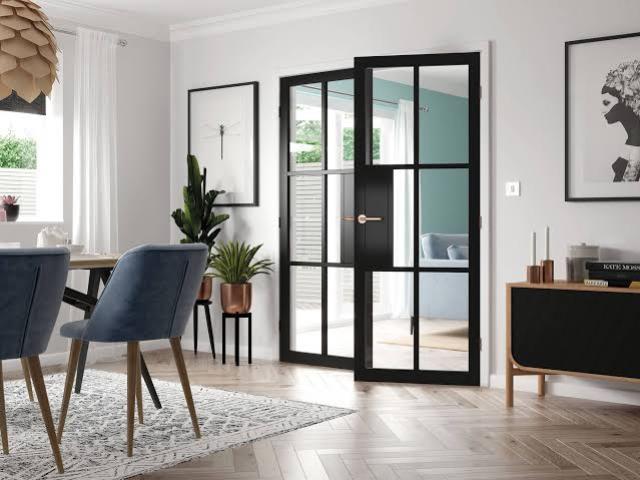
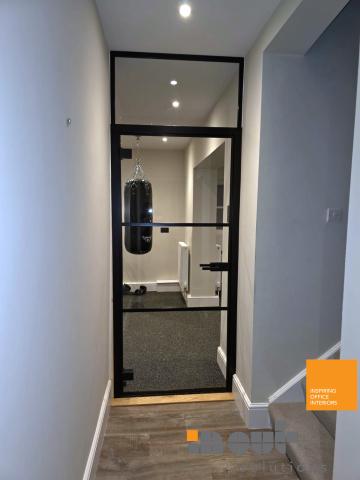
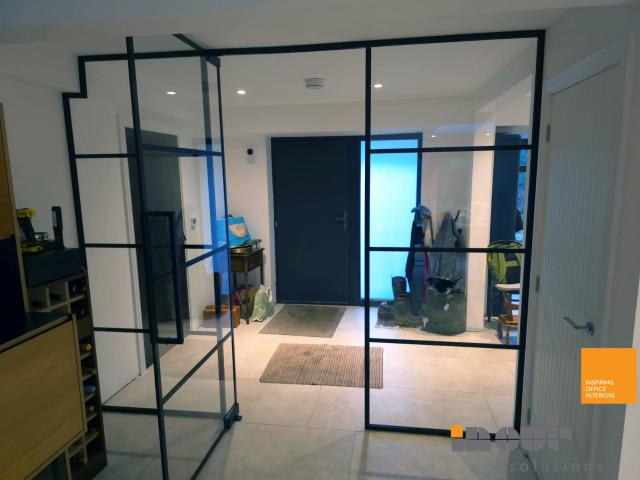
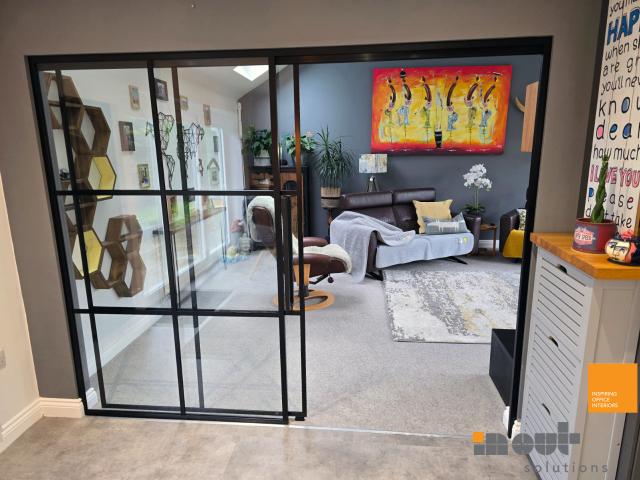
Glass can bring light and openness to a home. A door with a narrow glass section can help daylight travel into a hallway or darker room. Clear glass creates a stronger visual connection. Frosted glass gives more privacy. Textured glass can add character without making the door look overly decorative. The frame also changes the >
Why does hardware matter?
Handles are easy to overlook when you are thinking about the door as a whole. Yet they sit right where people touch the door and look at it. A brass handle can warm up a timber finish. Black hardware can create a crisp contrast. Silver can work with cooler interiors. The shape also matters. A simple lever can feel modern while a traditional knob can suit an older property. You can use the hardware to connect doors with other fittings around the home. Cabinet handles. Light fittings and taps can all provide clues.
How can a refined look avoid feeling too formal?
A home should still feel lived in. You do not want every room to look like a showroom where nobody dares to touch anything. Natural materials can help soften a formal design. So can warm lighting and simple furniture. Choose door details that have some character rather than adding layers of decoration. A slightly textured timber surface may feel more welcoming than a perfect glossy finish. Small imperfections in natural wood can also give the home a sense of life. Refinement does not mean everything needs to look flawless.
Can door finishes affect the overall mood?
They can. A matte finish feels quieter. Gloss reflects more light and creates a sharper appearance. Natural oil can bring out timber grain and give the surface a softer quality. Paint gives you control over colour and can help the door blend into the room. Stained timber can deepen the natural shade without covering the grain completely. Think about how the finish behaves in the room. A very reflective door may feel too bright in a space with lots of sunlight. A matte surface may work better when you want a calmer atmosphere.
How can bespoke doors help with unusual spaces?
Older homes often have door openings that do not follow standard measurements. Some rooms may also have awkward layouts where a normal door size looks wrong. A custom design can account for those differences. You can choose a height and width that make sense for the opening. You can also work around existing mouldings or unusual frames. This can make the finished result look cleaner because the door belongs to the space instead of appearing as an afterthought. Sometimes the most refined solution simply involves getting the proportions right.
Do doors affect sound and privacy?
They can. A solid door can provide better separation between rooms than a lightweight design. The frame and gaps matter too. A well fitted door can help keep everyday sounds from travelling as easily. Bedrooms. Studies and bathrooms often need more privacy than other areas. You can choose a solid design for those rooms and use glazed options where privacy matters less. Think about how each room gets used before selecting the construction. Good design should work for real life as well as appearance.
How should you match doors with flooring?
The floor and door often sit close together so their colours need to make sense. You can use similar wood tones for a calm appearance. Or create contrast with a darker door against a pale floor. Painted doors give you another option because they can connect with the walls rather than the floor. Look at the undertones. Warm flooring tends to work well with warm door finishes while cooler floors can suit grey or neutral colours. Exact matching is not necessary. A little variation can make the room feel more natural.
Can simple doors look more refined than ornate ones?
Often they can. A clean design gives the eye fewer things to process. The quality of the material and workmanship becomes easier to notice. A smooth timber door with one carefully placed panel can feel more considered than a door with several decorative features. This does not mean ornate designs cannot work. Traditional homes may need more detail to suit their architecture. The important thing is restraint. Use enough detail to support the room and stop before it starts looking crowded.
What should you check before ordering a bespoke door?
Start with the measurements. Check the opening carefully and make sure you know the finished floor level. Then decide on the material. Colour. Panels and hardware. Ask about the frame and installation too. If sound reduction or privacy matters then mention it before the door gets made. Ask how the finish should be cleaned and maintained. You should also check the lead time because custom work can take longer than buying a standard door. A clear plan at the start can prevent problems later.
Why does good installation matter?
The best door can still look poor when the installation goes wrong. The frame needs proper alignment. Hinges should sit correctly and the door should open without rubbing. Gaps should look even and the latch should work smoothly. A poor fit can also affect sound and privacy. If the door maker offers installation then ask who will carry it out. If another installer will handle the work make sure they know the door requirements. Installation may happen at the end but it has a big effect on the finished appearance.
Are bespoke internal doors worth choosing for a refined home?
They can be a worthwhile choice when you care about how the smaller parts of the home fit together. You get more control over the size. Style and materials. That can help you create a consistent look while still giving each room its own character. The process needs more planning than buying a standard door but the result can feel much more personal. You are not simply filling an opening. You are deciding how that opening should look and feel as part of the room.
A refined home does not need doors that look extravagant. It needs doors that make sense. The right size. A suitable material and a finish that works with the rest of the room can do more than a complicated design. Bespoke internal doors give you the freedom to make those choices instead of accepting a fixed combination. You can keep a traditional home warm with timber and panelled designs. You can give a modern interior a cleaner edge with flush doors and simple hardware. You can also use colour to create contrast or let the door blend into the wall. When these details work together the home starts to feel more considered. Nothing feels random. The doors become part of the architecture and that quiet connection can make the entire interior feel more polished.
FAQs
Do bespoke doors make a home look more expensive?
They can give a home a more considered appearance because you can choose the size. Material and finish to suit the space. Good workmanship and installation also make a noticeable difference.
Should all bespoke doors have the same design?
No. You can use different >
Are timber doors suitable for modern interiors?
Yes. Natural timber can add warmth to modern rooms that use glass. Stone. Metal or neutral colours. A simple door design can keep the look clean.
Can bespoke doors improve privacy?
A solid door can offer better privacy than a glazed option. The frame and fit also matter because large gaps can reduce the separation between rooms.
What is the most important thing when choosing a bespoke door?
Start with the proportions and the way the door will work within the room. Then consider the material. Finish. Hardware and installation. A good design should look right and function well.