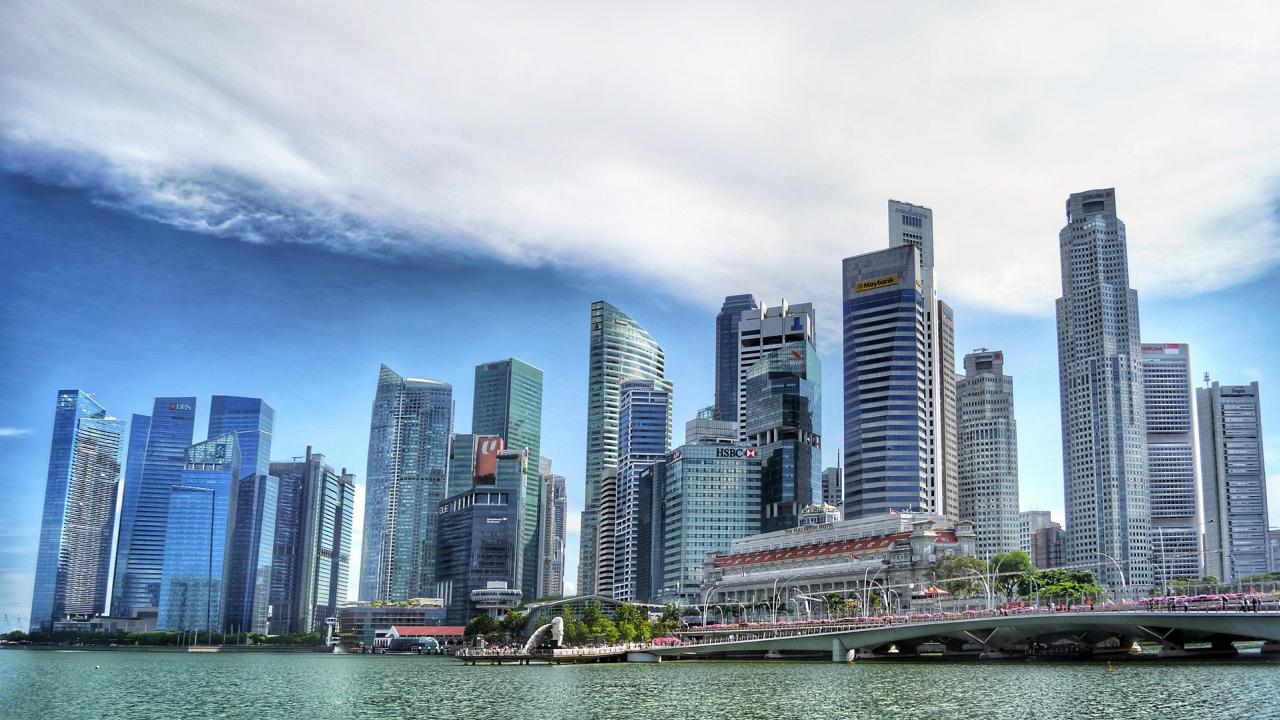
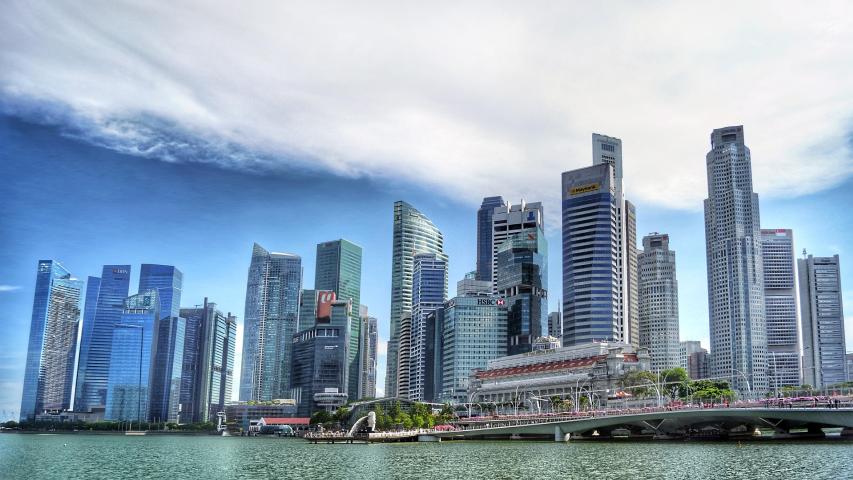
Singapore has long been recognised as one of the world's leading business centres. Its strategic location, highly developed infrastructure and strong international connections have made it an attractive destination for companies looking to expand across Asia. Today, however, another factor is increasingly shaping Singapore's business landscape: sustainability.
As governments, investors and consumers place greater emphasis on environmental responsibility, companies are under growing pressure to reduce their environmental impact while remaining competitive. Singapore is responding to this shift by positioning itself as a regional hub for sustainable business, green finance and clean technologies.
A Strong Foundation for Green Growth
Despite its small size and limited natural resources, Singapore has developed an ambitious approach to sustainability. The country's position as a major financial and commercial centre gives it an opportunity to influence businesses far beyond its borders.
One of the key pillars of this strategy is the Singapore Green Plan 2030, which brings together initiatives covering areas such as sustainable development, energy, transport, buildings and the natural environment. The objective is not simply to reduce emissions, but to create new economic opportunities around the transition to a greener economy.
For businesses, this creates an increasingly important environment in which sustainability is becoming part of long-term strategy rather than simply a corporate responsibility initiative.
Green Finance Is Changing the Business Landscape
Singapore's role as a financial centre also gives it an important advantage in the transition towards a low-carbon economy.
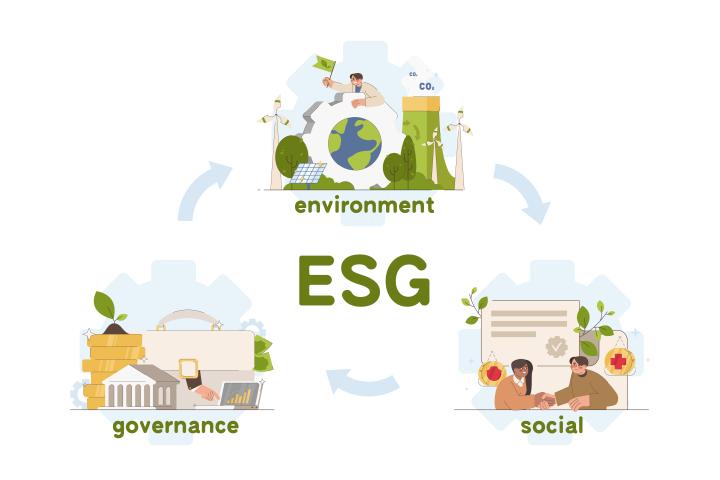
Banks, investment funds and other financial institutions are increasingly considering environmental, social and governance factors when making investment and lending decisions. At the same time, demand for green bonds, sustainability-linked financing and other forms of responsible investment continues to grow.
This creates opportunities for companies that can demonstrate credible environmental strategies. Businesses with clear sustainability targets and transparent reporting may find it easier to attract investors, strengthen relationships with financial institutions and build trust with customers.
In this sense, sustainability is becoming increasingly connected to access to capital.
Sustainable Buildings and Urban Development
Singapore is also an interesting example of how sustainability can be integrated into a densely populated city.
With limited land available, the country has invested heavily in efficient urban planning and greener buildings. Energy-efficient offices, sustainable construction practices and the development of environmentally friendly districts are becoming increasingly important features of the city.
For companies operating in Singapore, this can have practical benefits. More efficient buildings can reduce energy consumption and operating costs, while sustainable workplaces can also help companies attract employees who increasingly value environmental responsibility.
The lesson is particularly relevant for other rapidly growing Asian cities: economic development and environmental considerations do not necessarily have to be opposing goals.
Sustainability as a Competitive Advantage
For many companies, the most interesting aspect of Singapore's green transition is the potential business opportunity.
Sustainability creates demand for new products and services across a wide range of industries, from renewable energy and sustainable construction to logistics, water management, food production and financial services.
Companies that adapt early can potentially gain an advantage by developing new solutions, entering emerging markets and responding to changing customer expectations.
This does not mean that every business needs to completely transform its operations overnight. In many cases, progress can begin with relatively practical measures: improving energy efficiency, reducing waste, reviewing supply chains or setting measurable environmental targets.
Looking Beyond Singapore
Singapore's influence extends well beyond its borders. As a gateway to Southeast Asia, the country provides businesses with access to a region containing some of the world's fastest-growing economies.
This makes Singapore particularly interesting for companies developing sustainability-related products and services. A business can establish a presence in Singapore while using the country as a base for reaching customers, partners and investors across the wider region.
The combination of strong institutions, international connectivity and growing demand for sustainable solutions could therefore make Singapore an important launchpad for the next generation of green businesses.
The Road Ahead
The transition towards a more sustainable economy will not happen without challenges. Companies must balance environmental objectives with costs, operational demands and commercial realities. Regulation is also evolving, meaning businesses will need to remain flexible and well informed.
Nevertheless, the direction of travel is clear. Sustainability is moving from the margins of corporate strategy towards the centre of business decision-making.
Singapore is well positioned to benefit from this shift. Its compact size, international outlook and sophisticated business ecosystem allow it to experiment with new approaches while remaining closely connected to global markets.
For companies operating in Singapore—or considering Singapore as a base for expansion—the green economy represents more than an environmental challenge. It is also an opportunity to rethink how businesses operate, invest and grow.
The companies that recognise this opportunity early may not only reduce their environmental footprint. They may also discover new markets, new sources of investment and new ways to remain competitive in an increasingly sustainability-conscious global economy.