You spent weeks manufacturing the part.
The tolerances are right. The finish looks good. Quality control signed off. The paperwork is ready, and the customer is expecting delivery.
Then someone asks a surprisingly important question:
How are we packaging it?
For defense contractors and government suppliers, the answer cannot always be "put it in a box."
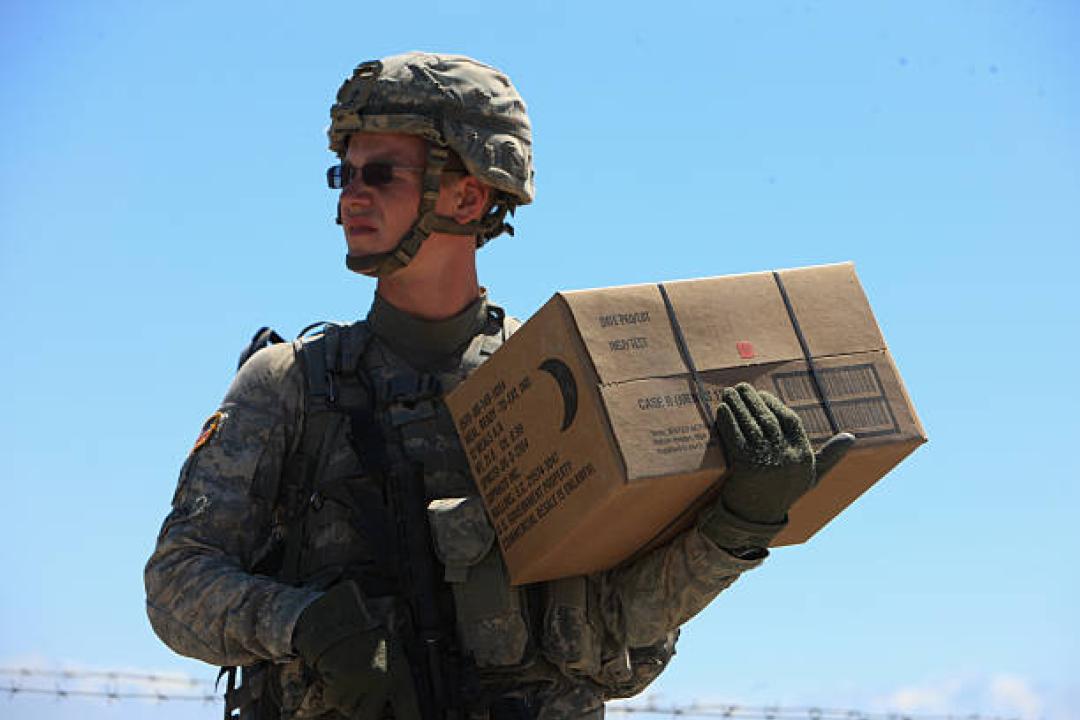
Military packaging is an important part of delivering equipment safely and in accordance with the requirements of the job. The right combination of military packaging supplies can protect products against shock, vibration, moisture, corrosion, contamination, and the realities of long-term storage.
Military Packaging provides a go-to source for MIL-SPEC packaging, military specification boxes, ASTM D5118 boxes, W5C and V3C boxes, military Fast Packs, desiccants, creped neutral wrap, barrier packaging, films, bags, tubing, wooden crates, and custom military packaging solutions.
In other words, when the product is ready to ship, Military Packaging helps you finish the job properly.
Packaging Is Part of the Supply Chain
In professional defense logistics, packaging should be considered part of the product delivery process rather than a final administrative step.
The packaging system must protect the item throughout its expected distribution environment.
That environment may include manufacturing facilities, warehouses, trucks, aircraft, ships, military installations, depots, and long-term storage facilities.
Each transition creates potential hazards.
A package can experience shock during handling, vibration during transportation, compression during stacking, and environmental exposure during storage.
The appropriate military packaging materials help manage those risks.
The Box Is Important, But It's Not Everything
Let's be practical.
A strong box is a good start.
But if you put a moisture-sensitive metal component inside a strong box and leave it there for months without considering humidity, you may still have a problem.
The same goes for fragile equipment. A heavy-duty container doesn't automatically prevent the product from bouncing around inside.
Military packaging works best as a system.
You might need an exterior military specification box, cushioning, protective wrap, desiccants, a barrier bag, and additional blocking.
Or maybe you only need two of those things.
The point is to package according to the product rather than throwing every available material into the box and hoping for the best.
Military Specification Boxes for Serious Shipments
Military specification boxes are widely used to transport and store products throughout defense and government supply chains.
Depending on the application and packaging requirement, buyers may encounter ASTM D5118 boxes, V3C boxes, W5C boxes, weather-resistant corrugated containers, heavy-duty military boxes, and other MIL-SPEC packaging configurations.
The correct container provides structural support for the entire package.
It also needs to work effectively with the interior packaging materials.
Military Packaging supplies military boxes for organizations that need dependable corrugated packaging for government contracts, defense programs, manufacturing operations, and industrial shipments.
Whether the requirement involves a small quantity or an ongoing packaging program, having a consistent source matters.
Moisture Doesn't Care How Expensive the Part Is
A precision-machined component can be beautiful when it leaves the production floor.
Give moisture enough time, though, and things can change.
Corrosion is one of the reasons military preservation packaging deserves careful attention.
Products may move between different climates during transportation. They may sit in warehouses where temperature and humidity fluctuate. Some equipment may remain packaged for long periods before it is finally needed.
Desiccants can help manage moisture inside properly designed packaging.
Barrier materials can create additional protection between the product and the outside environment.
Together with appropriate wrapping and sealing methods, these products can help protect sensitive equipment during shipping and storage.
Military Packaging supplies desiccants and barrier packaging materials for these demanding applications.
Chemically Neutral Wrap Protects Sensitive Surfaces
Military packaging sometimes comes down to protecting the details.
Creped chemically neutral wrap can provide a flexible protective layer around components and sensitive surfaces.
Because the material is creped, it conforms more easily around products with unusual shapes, curves, and edges.
This makes it useful for machined parts, metal components, assemblies, and other products that benefit from separation from surrounding packaging materials.
Chemically neutral wrapping paper can also be combined with desiccants, barrier packaging, cushioning, poly bags, and military specification boxes as part of a larger preservation system.
Military Packaging supplies creped neutral wrap alongside these complementary packaging products.
Fast Packs: Simple, Practical, Effective
Not every military shipment requires a packaging engineer and a custom-built crate.
Sometimes you have a small component that needs reliable cushioning and you just want a practical solution.
That's where military Fast Packs come in.
Fast Packs combine an exterior container with internal cushioning to help protect smaller products against shock during transportation and handling.
They can work well for electronics, instruments, replacement parts, precision components, and other relatively compact products.
They also offer something packaging departments appreciate: consistency.
If you ship similar components regularly, standardized packaging can make the process faster and easier for everyone involved.
Don't Overlook Bags and Films
Poly bags are not exactly exciting.
Neither is tubing.
But good packaging isn't about using the most impressive-looking materials. It's about using materials that perform the job.
Poly bags can help keep components clean, separated, and protected from dirt or dust. Films can wrap or cover equipment. Tubing can be cut to fit products of different lengths.
Barrier bags can provide greater environmental protection when the packaging requirements call for it.
These products add flexibility to military packaging operations, especially for manufacturers that handle hundreds or thousands of different parts.
Military Packaging provides films, bags, tubing, and flexible barrier packaging for defense and industrial customers.
Then There Are the Really Big Products
Some equipment arrives at the packaging area and makes everyone stop for a second.
It's large.
It's heavy.
It's expensive.
And it's definitely not going into a corrugated box.
Custom military crates are designed for these situations.
A wooden crate can be built around the dimensions and weight of the equipment. Blocking and bracing can prevent movement during transportation. Structural supports can help distribute weight, while cushioning can protect particularly sensitive areas.
For products requiring environmental protection, barrier materials and desiccants can also become part of the overall crating system.
Military Packaging can provide custom wooden crates for machinery, aerospace components, vehicle parts, large assemblies, industrial equipment, and other demanding applications.
A Better Way to Buy Military Packaging Supplies
Procurement teams already have enough to manage.
They shouldn't have to spend half the day searching for one box from one company, desiccants from another, protective paper somewhere else, and a custom crate from another vendor.
Military Packaging brings these products together.
That makes it easier for defense contractors and manufacturers to consolidate packaging purchases and establish a reliable source for recurring requirements.
It also helps when an unfamiliar packaging requirement suddenly appears on a new contract.
Instead of searching broadly for a general packaging company, buyers can start with a supplier focused on military packaging products.
Military Packaging Isn't Only for Huge Defense Contractors
This is worth emphasizing.
You don't need to be one of the world's largest defense contractors to encounter MIL-SPEC packaging requirements.
A small CNC machine shop can receive a government order. An electronics manufacturer can become a subcontractor. A metal fabricator can supply one component used in a much larger defense system.
Suddenly, a business that rarely thinks about military packaging needs W5C boxes, desiccants, barrier materials, or another specialized packaging product.
That's where having a go-to source becomes valuable.
Military Packaging supports defense contractors, government suppliers, machine shops, aerospace companies, electronics manufacturers, industrial businesses, and logistics providers with military packaging supplies for a wide range of applications.
Finish the Job the Right Way
Manufacturing an excellent product is only part of fulfilling an order.
The product still has to arrive.
Military Packaging helps protect that final step.
From MIL-SPEC packaging materials and military specification boxes to ASTM D5118 boxes, W5C boxes, V3C boxes, military Fast Packs, desiccants, creped neutral wrap, barrier bags, poly bags, films, tubing, wooden crates, and custom military packaging, customers can source the materials needed for demanding shipping and storage environments.
Don't wait until the product is sitting on a pallet ready to leave before thinking about packaging.
Plan for protection early.
And when you need military packaging supplies, make Military Packaging your go-to source.
After all, you put a lot of work into making the product right.
It deserves packaging that gets it there right.