Municipal sanitation is an essential part of maintaining clean, healthy, and livable cities. Among the many challenges faced by municipal authorities, sewer cleaning is one of the most important. Sewer lines regularly accumulate sludge, grease, mud, debris, wastewater deposits, and other materials that can restrict water flow and cause blockages. If these problems are not addressed on time, they can result in overflowing drains, unpleasant odors, waterlogging, environmental pollution, and serious public health concerns.
Traditional sewer cleaning methods often require significant manual labor and can be time-consuming, inefficient, and hazardous for workers. Modern sewer cleaning machines have transformed municipal sanitation operations by providing faster, safer, and more efficient solutions for cleaning and maintaining sewer networks. These specialized machines use powerful suction, high-pressure water jetting, or a combination of both to remove waste and maintain sewer pipelines.
Faster Sewer Cleaning Operations
One of the biggest advantages of modern sewer cleaning machines is their ability to complete cleaning tasks much faster than conventional manual methods. Municipal sewer networks can extend across large areas, making regular inspection and maintenance a major undertaking.
Sewer suction machines can quickly remove sludge, wastewater, and solid waste from drains, manholes, and sewer lines. Similarly, sewer jetting machines use high-pressure water to break down accumulated deposits and clear blockages.
Faster cleaning allows municipal sanitation departments to cover more locations within a shorter period. This is particularly valuable in densely populated cities where blocked drains can quickly create sanitation problems.
Effective Removal of Sludge and Blockages
Sewer pipelines commonly accumulate materials such as sand, silt, grease, mud, sewage sludge, plastic waste, and other debris. Over time, these materials can reduce the effective diameter of a pipeline and restrict wastewater flow.
Modern sewer cleaning equipment is designed to handle these materials efficiently. High-pressure jetting systems can loosen hardened deposits from pipe walls, while powerful vacuum systems can collect and transport the loosened waste into a storage tank.
This combination provides a more thorough cleaning process and helps restore the normal capacity of sewer pipelines.
Improved Worker Safety
Sewer maintenance can be dangerous when workers are required to manually enter confined spaces or handle contaminated wastewater and sludge. Exposure to toxic gases, pathogens, contaminated materials, and unstable environments can create serious occupational risks.
Modern sewer cleaning machines reduce the need for direct human contact with sewage and minimize the requirement for workers to enter sewer lines and confined spaces. Operators can control suction and jetting systems from outside the sewer, allowing sanitation teams to perform many tasks remotely.
By reducing manual exposure, these machines contribute significantly to safer working conditions for municipal sanitation workers.
Better Municipal Hygiene
Poorly maintained sewer systems can contribute to unpleasant odors, overflowing wastewater, stagnant water, and unhygienic surroundings. These problems can negatively affect residential areas, commercial locations, public roads, and industrial zones.
Regular cleaning with sewer suction and jetting equipment helps municipalities maintain cleaner drainage networks. Removing accumulated sludge and debris improves wastewater movement and reduces the possibility of sewer overflow.
As a result, municipalities can create healthier and more hygienic public environments for residents.
Reduced Risk of Sewer Overflow
Heavy rainfall can put additional pressure on municipal drainage and sewer systems. When pipelines are already partially blocked with sludge or debris, their ability to handle increased wastewater volumes is reduced.
Regular preventive cleaning helps maintain adequate flow capacity before the rainy season. Municipal authorities can use sewer cleaning machines to remove accumulated deposits from critical drainage routes and reduce the likelihood of blockages.
This proactive approach can help minimize flooding and wastewater overflow during periods of heavy rainfall.
High-Pressure Jetting for Deep Cleaning
Sewer jetting machines are particularly useful when municipal authorities need to remove stubborn deposits from inside pipelines. These machines use high-pressure water delivered through specialized hoses and nozzles.
The water jet breaks apart grease, sludge, scale, and other deposits attached to pipe surfaces. Different nozzle configurations can be selected depending on the type of blockage and pipeline requirements.
High-pressure cleaning provides a deeper and more consistent cleaning process than basic manual methods, helping municipal teams maintain sewer infrastructure more effectively.
Efficient Sludge Collection and Transportation
Removing sludge from a sewer is only one part of the sanitation process. The waste must also be collected and transported to an appropriate treatment or disposal facility.
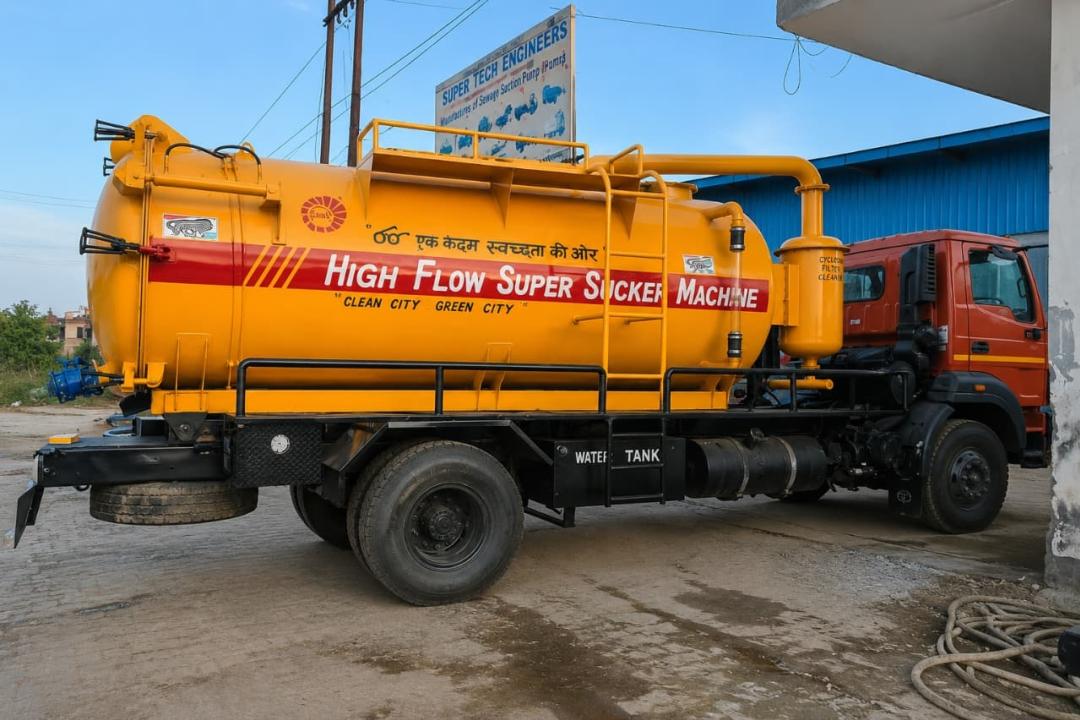
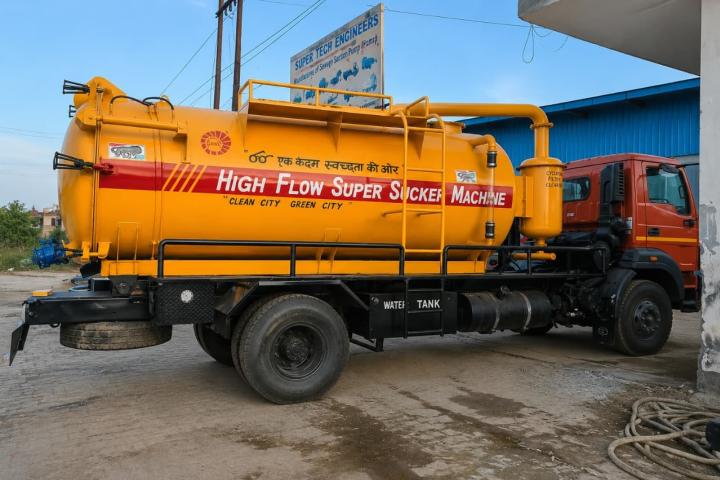
Sewer suction machines typically use vacuum systems to transfer liquid waste and sludge into a dedicated tank mounted on the vehicle. Once the tank is filled, the material can be transported for further treatment or disposal according to applicable municipal procedures.
This integrated approach reduces the need for multiple handling stages and makes the overall sanitation workflow more organized.
Lower Dependence on Manual Labor
Municipal sanitation departments often manage extensive sewer networks with limited manpower. Depending entirely on manual cleaning can make it difficult to maintain all areas regularly.
Mechanized sewer cleaning equipment allows a relatively small team to complete tasks that would otherwise require considerably more workers. Operators can manage powerful suction and water-jetting systems while support staff handle hoses, safety procedures, and waste management.
This improves workforce productivity and allows municipal authorities to allocate personnel to other important sanitation activities.
Cost Savings Over Time
Although purchasing a modern sewer cleaning machine requires an initial investment, it can provide significant operational benefits over the long term. Faster cleaning, reduced labor requirements, improved productivity, and fewer emergency blockages can contribute to lower overall maintenance costs.
Preventive sewer cleaning can also help reduce the frequency of expensive emergency interventions. Maintaining pipelines regularly may extend the useful life of municipal sewer infrastructure and reduce the need for major repairs caused by prolonged blockages or poor drainage.
Improved Emergency Response
Sewer blockages and drainage failures can occur unexpectedly. During emergencies, municipal authorities need equipment that can be deployed quickly to restore normal operations.
Truck-mounted sewer suction machines and sewer suction-cum-jetting machines can be transported directly to affected locations. Their combination of mobility, suction capacity, and high-pressure cleaning makes them suitable for responding to blocked drains, overflowing manholes, and other sanitation emergencies.
Rapid response can help reduce disruption to traffic, businesses, residential areas, and public facilities.
Environmentally Responsible Sanitation
Modern sewer cleaning machines can also support more responsible wastewater management. By collecting sludge and contaminated wastewater into enclosed tanks, these machines reduce uncontrolled handling and spillage during cleaning operations.
Proper collection and transportation allow the removed material to be directed toward appropriate treatment and disposal processes. This helps reduce the risk of sewage entering streets, water bodies, or surrounding soil.
Municipalities can therefore combine mechanized cleaning with responsible waste-management practices to improve environmental protection.
Supporting Preventive Sewer Maintenance
One of the most important changes brought by modern sewer cleaning equipment is the shift from reactive to preventive maintenance. Instead of waiting for a sewer to become completely blocked, municipalities can establish regular cleaning schedules based on pipeline conditions, usage, and historical blockage patterns.
Routine cleaning helps identify and remove deposits before they become major problems. This approach improves the reliability of sewer networks and allows sanitation departments to plan their resources more effectively.
Conclusion
Sewer cleaning machines have become an important part of modern municipal sanitation operations. By combining powerful suction, high-pressure water jetting, efficient waste collection, and vehicle-based mobility, these machines make sewer maintenance faster, safer, and more productive.
They help municipalities remove sludge and blockages, reduce manual labor, improve worker safety, minimize sewer overflows, respond quickly to emergencies, and maintain better public hygiene. Regular use of mechanized sewer cleaning equipment can also support preventive maintenance and help reduce long-term infrastructure and operational costs.
As cities continue to grow and their sewer networks become more complex, investing in reliable sewer cleaning technology will remain essential. Municipal authorities that adopt modern sewer suction, jetting, and combination machines can improve sanitation efficiency while creating cleaner, safer, and healthier urban environments.