Most businesses reach for ERP or CRM software because that's what everyone else uses. But sometimes neither one actually fits the problem you're trying to solve.
Before you buy anything, it's worth understanding what each system is actually built for — and when custom software becomes the better answer.
What ERP Actually Handles
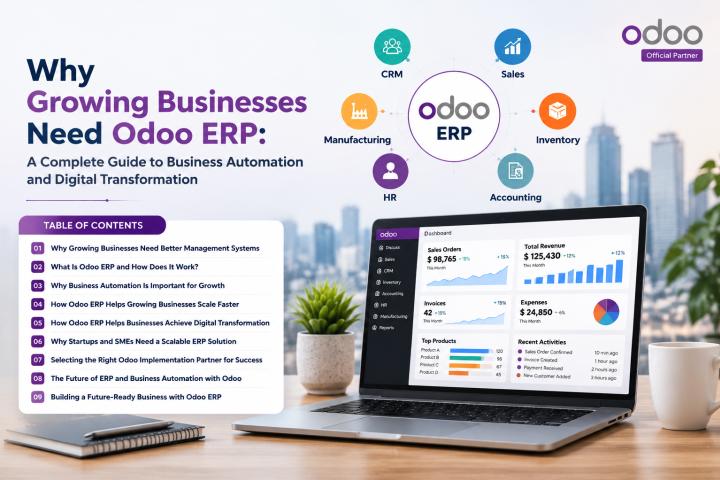
ERP systems are built around internal operations. Think finance, inventory, procurement, and production.
They're useful when your business needs:
- One shared source of truth across departments
- Automated workflows for orders, invoicing, and stock
- Reporting that pulls from multiple operational areas at once
If your bottleneck is disconnected departments running on spreadsheets, an ERP-shaped solution usually makes sense.
What CRM Actually Handles
CRM is customer-facing. It tracks leads, deals, support tickets, and every interaction your team has with a client.
It's the right fit when the problem is:
- Sales reps losing track of where deals stand
- No visibility into customer history across teams
- Follow-ups falling through the cracks after a handoff
CRM and ERP solve different problems. Buying one to fix the other's job rarely works.
Where Off-the-Shelf Options Start Breaking Down
Both ERP and CRM platforms are built for the average business, not yours specifically. That works fine until your processes don't match the template.
Common signs it's time to look elsewhere:
- You're customizing so heavily that every update risks breaking something
- Licensing costs scale with users, not with actual value delivered
- Core parts of your workflow still live in spreadsheets because the platform can't handle them
This is usually the point where a company starts asking about a custom ERP software build instead of forcing another off-the-shelf fit.
When Custom Enterprise Software Is the Better Call
Custom software isn't about avoiding ERP or CRM altogether. Sometimes it means building the exact piece those platforms can't cover—or replacing both with something purpose-built.
An erp development company that's done this before will usually start by mapping your actual workflow, not pitching a template. That conversation alone tends to reveal whether custom is worth it.
Custom makes sense when:
- Your operations don't map cleanly to standard ERP or CRM modules
- You need systems talking to each other in ways off-the-shelf tools don't support
- Growth plans require flexibility; a rigid platform can't offer it later
Making the Right Choice
There's no universal winner between ERP, CRM, and custom software. The right one depends on what's actually broken—disconnected operations, weak customer visibility, or a workflow no packaged tool was built to handle.
Custom ERP development services exist for exactly that last scenario: when the problem is specific enough that a generic platform will always feel like a compromise.
Before committing to any option, it helps to map your actual pain points first. The software should fit the problem, not the other way around.
FAQs
Can a business use ERP and CRM together instead of choosing one?
Yes, many businesses run both, with ERP handling internal operations and CRM handling customer-facing processes. They often integrate to share data between departments.
How do I know if my business needs custom software instead of ERP or CRM?
If your workflow doesn't fit standard modules, or customization costs keep climbing without solving the core problem, that's usually a sign a custom-built solution is worth exploring.
Is custom enterprise software more expensive than ERP or CRM licensing?
Upfront costs can be higher, but there are no per-user licensing fees or forced upgrades, which often evens out the cost over a few years.