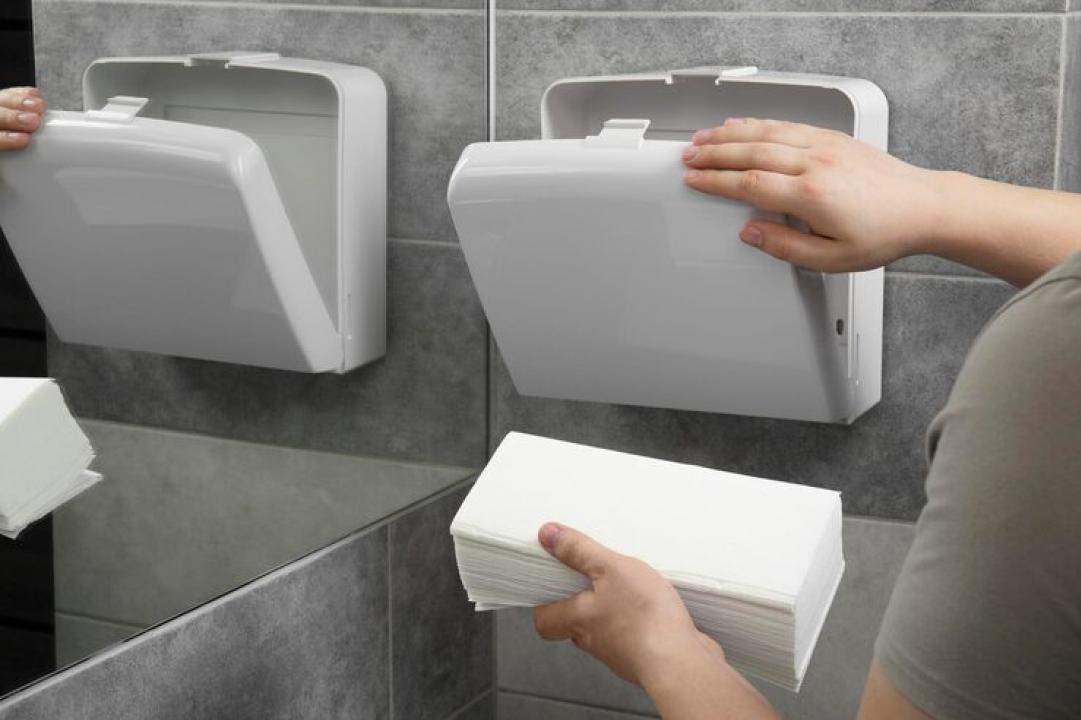

The right toilet paper dispensers reduce waste, lower restroom maintenance costs, and improve the overall hygiene experience for users. Different facility types have different demands — a hotel washroom needs a more refined look, while a school bathroom needs a vandal-resistant unit that lasts through heavy daily use. Understanding these differences helps facility managers make smarter, longer-lasting decisions.
Why Dispenser Selection Matters More Than You Think
Most facility managers are concerned about buying toilet paper in bulk — but the dispenser that holds that paper has as much to do with cost-efficiency and hygiene. A badly chosen dispenser will lead to misuse, frequent refills, staff complaints and wasteful paper waste. Commercial businesses are required to adhere to the Environmental Public Health Act, including maintaining the cleanliness and hygiene of their toilet facilities, said the National Environment Agency (NEA) of Singapore.
Choosing the correct dispenser is about more than simply looks. It has a direct impact on your monthly product usage, the frequency of restocking your team does, and users’ perception of your facility’s hygiene standards.
Key Factors to Consider Before Buying
Before comparing dispenser models, every facility manager should evaluate four core factors:
Daily foot traffic: High-traffic restrooms need high-capacity dispensers to reduce refill frequency.
Paper roll compatibility: Match your dispenser to the roll size you already procure — jumbo rolls, standard rolls, or twin rolls.
Mounting and space: Wall-mounted units save floor space; recessed models suit hotels and upmarket settings.
Hygiene features: Touchless or covered dispensers reduce cross-contamination risks significantly.
Toilet Paper Dispensers for Offices
What Works Best in an Office Restroom?
Office restrooms usually serve a static population — the number of staff is known and the volume of people is moderate. This makes twin-roll or normal jumbo dispensers a good choice. They fit neatly in ordinary cubicle areas and contain enough paper for a full day of work without having to be constantly restocked.
Perception of hygiene is important for office toilet dispensers. Bathroom quality impacts employees' perceptions of their workplace. Covered dispensers protect the roll from dampness or mistreatment, keeping the paper clean and reducing visible waste in the bin. Locking devices also stop casual over-use or bulk pulling out of paper.
Recommended type: covered twin-roll or jumbo-roll dispensers with lockable housing.
Hotel Washroom Dispensers: Prioritising Guest Experience
What Should Hotels Look for in a Toilet Dispenser?
Hotels operate under different pressures. Guest satisfaction scores, cleanliness reviews on platforms like Google and TripAdvisor, and brand standards all hinge on washroom presentation. Hotel washroom dispensers need to look sleek, function quietly, and hold enough paper for back-to-back guest use between housekeeping rounds.
Premium chrome-finish or stainless steel dispensers complement hotel bathroom aesthetics. Recessed wall-mounted designs create a clean, flush look. Some hotel operators in Singapore opt for controlled-dispensing units — these release a set amount per pull, reducing paper waste per room while maintaining the guest experience.
For suites or executive floors, individual roll holders with a polished finish signal attention to detail. For standard rooms and shared facilities, jumbo roll dispensers with stub roll features ensure the roll is never fully depleted before a backup activates.
Recommended type: Stub-roll jumbo dispensers or premium single-roll holders depending on the floor tier.
School and Institutional Facilities: Built for Durability
How Should Schools Approach Dispenser Selection?
Schools face a unique challenge — high-volume usage, unpredictable behaviour, and limited maintenance staff. Dispensers in school washrooms take more physical abuse than in any other setting. Thin plastic housing cracks. Exposed rolls get pulled out entirely. Standard household->
Schools should prioritise:
Heavy-duty ABS plastic or metal housings that resist impact and tampering
Anti-theft or lockable designs to prevent roll removal or vandalism
Large-capacity jumbo roll dispensers that require less frequent restocking by cleaners
Simple mechanism designs that are easy for young users and easy for staff to refill
Singapore's school health and environment guidelines also encourage touchless or minimal-contact fixtures where possible, particularly in primary school settings, to reduce germ spread among children.
Recommended type: Lockable jumbo roll dispensers with impact-resistant casing.
Restaurant Toilet Supplies: Balancing Cost and Presentation
What Do F&B Operators Need from Toilet Dispensers?
Restaurant restrooms are small but mighty. They serve a rapid turnover of guests and reflect directly on the dining experience. A poorly stocked or untidy washroom affects how customers perceive food hygiene — even if the kitchen is spotless.
For restaurant toilet supplies, the key balance is cost management and visual presentation. Compact dispensers that hold a twin or jumbo roll prevent the restroom from running out mid-service. Covered designs keep the paper visually clean and protected from steam or moisture — a real issue in tight restaurant layouts near kitchen areas.
F&B operators running casual dining or hawker->
Recommended type: Compact twin-roll dispensers for casual dining; premium single-roll holders for fine dining.
Quick Comparison: Dispenser Types by Facility
Facility Type | Recommended Dispenser | Key Priority
|
|---|---|---|
Office | Covered twin-roll or jumbo | Hygiene perception, low refill frequency |
Hotel | Stub-roll jumbo or polished single-roll | Guest experience, aesthetic finish |
School | Lockable jumbo with durable casing | Vandal resistance, high capacity |
Restaurant | Compact twin-roll or premium single-roll | Cost control, presentation |
Common Mistakes Facility Managers Make
Buying dispensers that don't fit their paper brand: Jumbo rolls vary in core size and diameter. Always confirm compatibility before ordering in bulk.
Ignoring refill logistics: A high-capacity dispenser that's difficult to open or refill creates problems for cleaning staff under time pressure.
Prioritising price over total cost: A cheaper unit that breaks within six months costs more than a durable dispenser that runs for five years.
Overlooking touchless options: Post-pandemic hygiene expectations in Singapore have shifted. Many users now expect minimal-contact washroom fixtures.
Making the Final Call
There is no single best dispenser for every setting. The right choice depends on your facility type, your team's refill capacity, and what experience you want to deliver to users. What works in a five-star hotel bathroom will not survive a secondary school washroom. And what saves costs in a hawker centre may look out of place in a boutique office.
Taisin Paper offers a range of dispensers suited to different commercial and institutional environments in Singapore. Pairing the right dispenser with the right paper product is the most practical step any facility manager can take toward cleaner, more cost-efficient washrooms.