When couples compare wedding venues, the first things they usually notice are appearance, price, capacity, and location.
There's another factor that's easy to overlook:
How well does the venue actually support the flow of the wedding day?
A wedding involves much more movement than most people realize. The wedding party gets ready, guests arrive, the ceremony begins, photographs happen, cocktail hour starts, dinner follows, and eventually everyone moves into the reception.
A venue that supports those transitions can make the entire celebration feel more relaxed.
Start With Where Everyone Gets Ready
The wedding day begins long before guests arrive.
Having a dedicated preparation space on the property means the wedding party doesn't necessarily have to get ready somewhere else and coordinate transportation to the ceremony.
When touring a venue, look beyond whether a getting-ready room simply exists.
Consider its size, lighting, privacy, restroom access, and proximity to the ceremony area.
These practical details can make the first few hours of the wedding significantly easier.
Keep the Ceremony and Reception Connected
Hosting the ceremony and reception at separate locations can work beautifully, but it also introduces another layer of logistics.
Guests need directions. Transportation may need to be arranged. Vendors have to coordinate between locations. The timeline needs enough room for everyone to travel.
A property with multiple event spaces offers another option.
The ceremony can happen in one area while the reception takes place elsewhere on the same property.
Guests still experience a change of scenery without getting back into their cars.
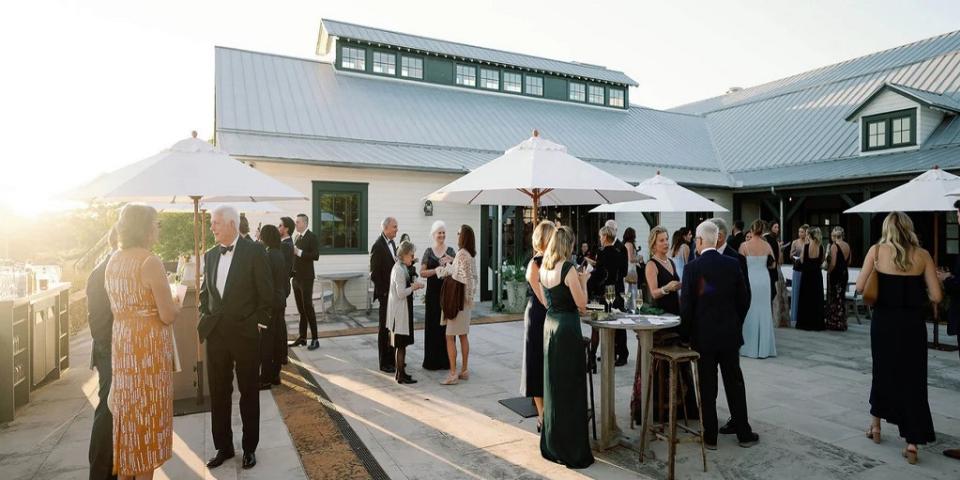
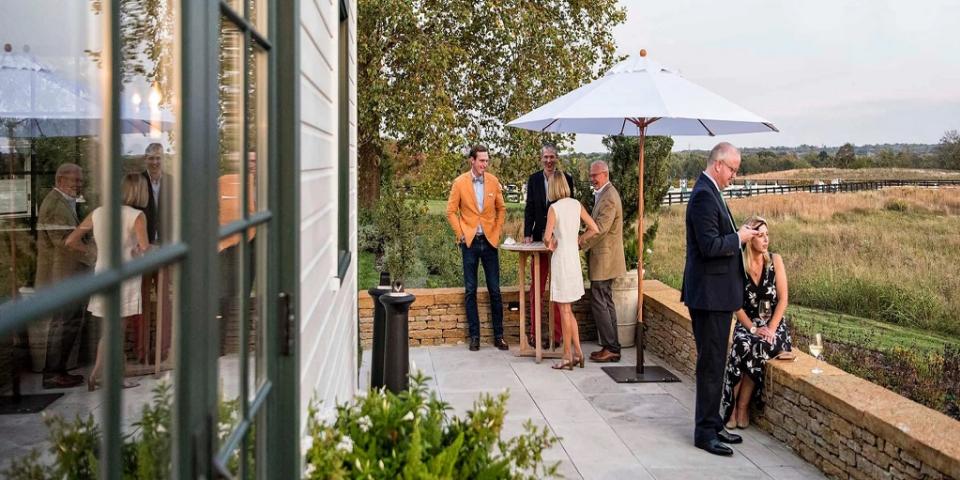
Give Cocktail Hour Its Own Space
Cocktail hour often serves an important logistical purpose.
While guests have drinks and appetizers, the couple may be taking photographs and vendors may be preparing the reception area.
Having a dedicated place for guests during this period can help prevent different parts of the event from overlapping.
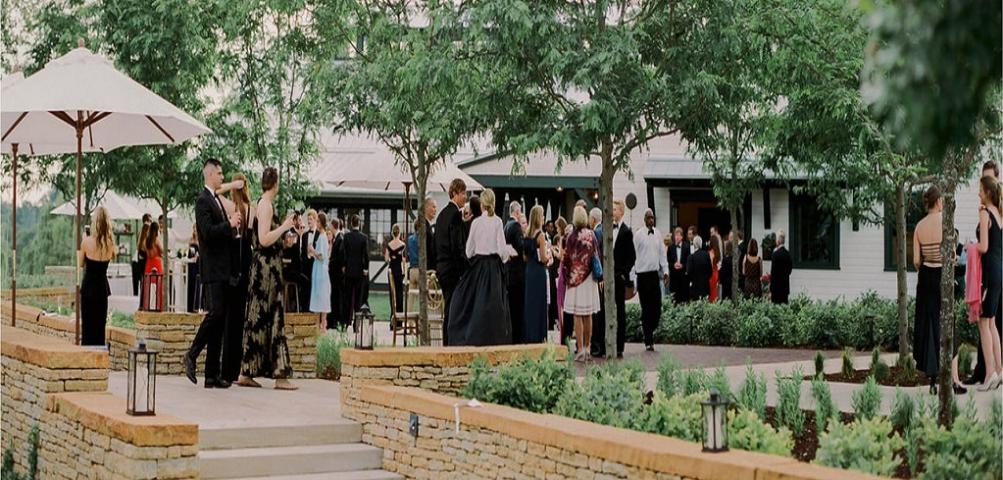
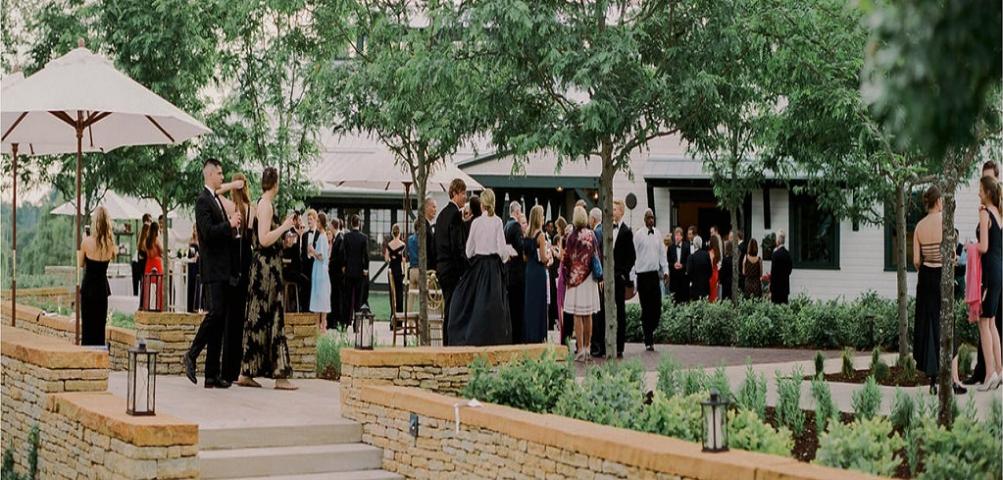
On a countryside property, that might mean a lawn, garden, patio, orchard, or another outdoor gathering area.
Instead of feeling like they're waiting for the next part of the wedding, guests get another experience within the day.
Use the Property for Wedding Photography
Traveling to a separate photography location can consume valuable time.
If the venue already has several visually distinct areas, couples and photographers can create variety without leaving the property.
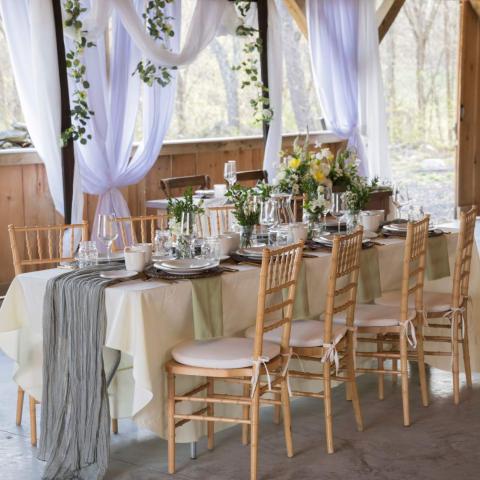
A barn provides architectural character.
Trees and wooded areas create softer backgrounds.
Meadows provide open landscapes.
An orchard can create a completely different setting only a short walk away.
That means less time traveling and more time actually participating in the celebration.
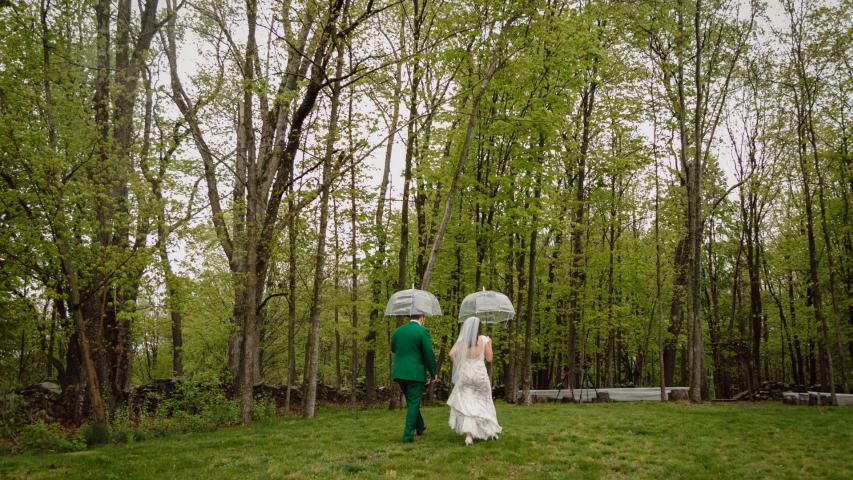
Always Consider the Weather Backup
Good wedding-day flow shouldn't depend entirely on sunshine.
For any wedding with outdoor elements, ask what happens if the forecast changes.
Where does the ceremony move?
Where will cocktail hour happen?
Can the indoor spaces accommodate the expected guest count?
The best backup plan is one that still feels intentional rather than improvised at the last minute.
Look for a Venue With Multiple Usable Spaces
This is where larger countryside and farm properties can have an advantage.
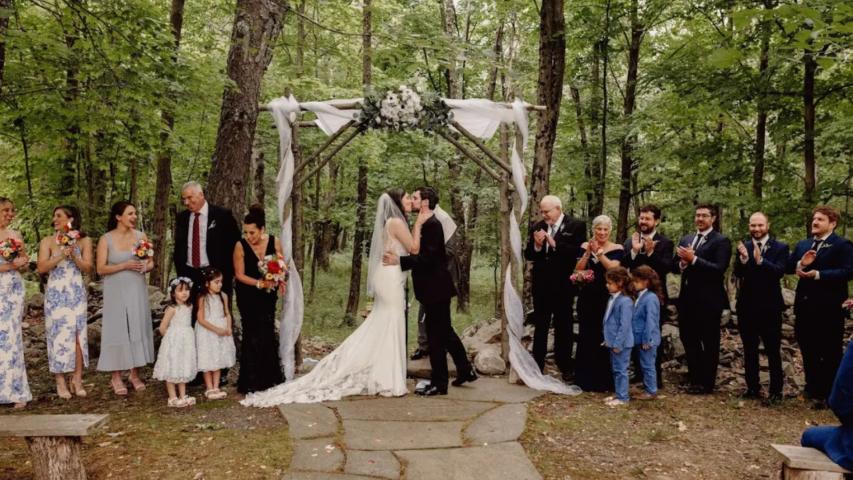
Couples researching a wedding venue in Middletown, New York can look at Lotuswood Organic Wellness Farm as one example. The Middletown property includes several settings that can serve different parts of an event, including a barn, farmhouse, forest ceremony area, orchard, meadows, and ponds.
Instead of treating the venue as one reception space, couples can think about how different areas might work together throughout the day.
The ceremony, portraits, cocktail hour, and reception don't necessarily have to compete for the same space.
Walk Through Your Timeline Before Booking
During a venue tour, try mentally walking through the entire wedding.
Where will you get ready?
Where will guests arrive?
Where will the ceremony happen?
What will guests do immediately afterward?
Where will photographs be taken?
How does everyone eventually reach dinner and dancing?
Then run through the same timeline again—but imagine that it's raining.
If both versions still make sense, you've probably found a venue with good logistical flexibility.
A Beautiful Venue Should Also Make Things Easier
Appearance matters. You're going to remember the setting through photographs and videos for years.
But a wedding venue also has a job to do.
It needs to accommodate guests, vendors, weather changes, photographs, transitions, and several different parts of the celebration within a relatively short period.
When a property handles those things naturally, guests may never notice the logistics at all.
And that's usually a sign that they're working.