Highway trailers simply lack the heavy box steel, hydraulic articulation, and tight turning angles required to haul deep-draft boats across unpaved staging areas or tight storage bays. All it takes is one bad haul to stall the entire seasonal schedule and leave you on the hook for tens of thousands in structural fiberglass damage.
And keeping the operations safe requires
proper understanding of how to configure frame steel, hydraulic lift arms, and
steerable axles before looking at custom boat yard trailers for sale.
At a Glance
●
Frame Metallurgy Limits: Why does closed box-section steel stop chassis twist under lopsided
loads?
●
Hydraulic Lift Efficiency: How do independent power arms eliminate manual blocking and cut
haul-out times?
●
Yard Steering Dynamics: How do steerable rear axles stop tire scrubbing and maneuver tight
marina alleys?
Custom Boat Yard Trailers for
Sale: How to Spec Them By the Book?
Frame Metallurgy and
Heavy-Duty Box Steel Engineering
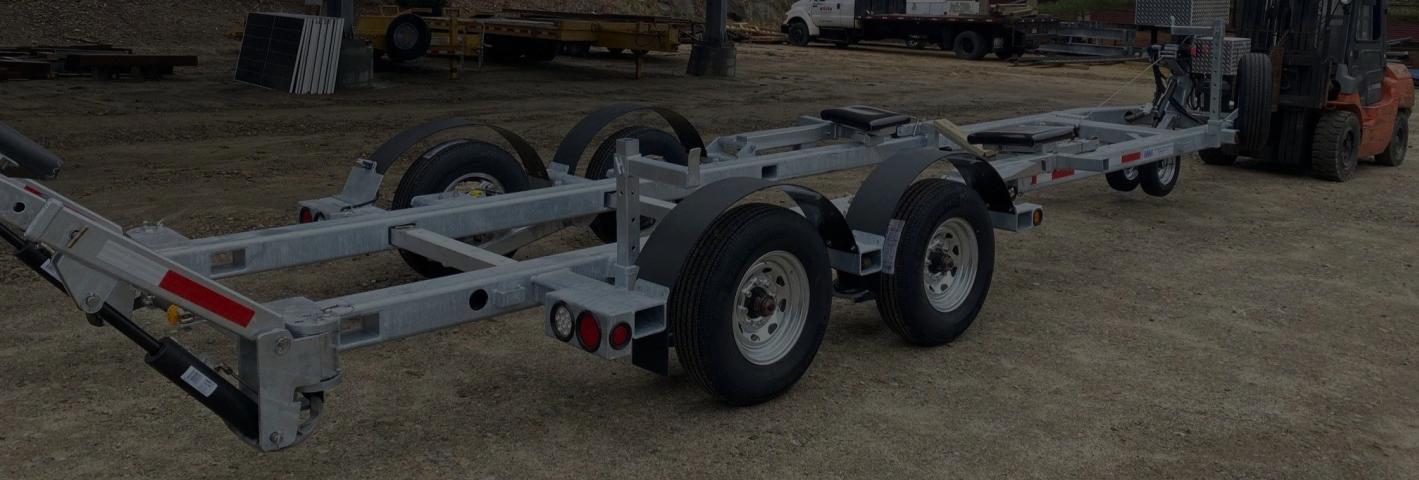
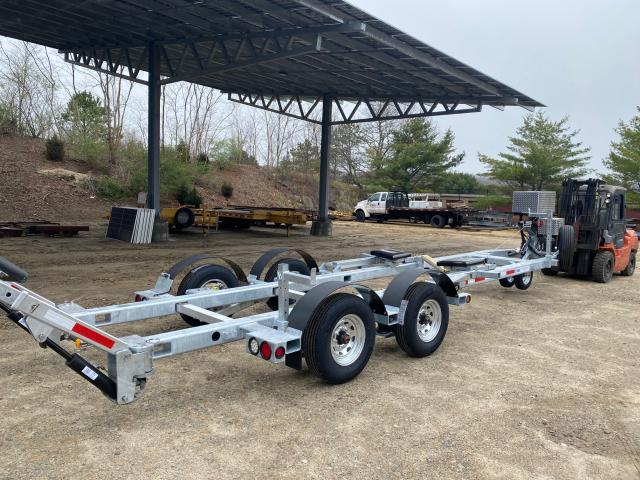
Standard trailers rely on light channel iron, but dedicated yard movers need thick-walled structural box steel that’s able to stand against longitudinal flex when dragging heavy hulls over unpaved, rutted ground.
Closed box-section steel has much more torsional stiffness than an open C-channel, so the frame won’t twist when lifted by lopsided or off-center loads. The concentrated weight of the engine and keel is evenly spread across the running gear by spacing the heavy structural cross-members closer together along the main frame rails, thereby preventing serious stress fractures over time.
The specs for a rigid box-steel chassis go a
long way toward preventing frame sag over the long term when buying custom boat
yard trailers for sale and help keep the haul equipment running without
structural failures.
Hydraulic Lift Articulation
and Independent Arm Controls
Manual blocking drains labor hours and grinds seasonal haul-out schedules to a halt. Building power hydraulics directly into the trailer frame lets operators slide under dry-stored boats, position lift pads right under the waterline, and raise hulls clean off the ground without waiting on a travelift or crane:
●
Independent Side Controls: Dual hydraulic circuits allow operators to level listing or
off-balance hulls safely before rolling across gravel yards.
● Low-Profile Ground Clearance: Lowering the trailer frame right to the dirt cuts down vertical clearance demands when backing tall boats into tight storage sheds.
Choosing advanced hydraulic controls when
reviewing custom boat yard trailers for sale slashes yard labor costs and
speeds up vessel positioning during peak haul-out windows.
Articulated Bunk Assemblies
and Hull Protection Padding
No two boat hulls share the exact same deadrise angle or keel depth. Rigid wooden bunks concentrate pressure onto small patches of fiberglass, which risks cracking gelcoat or punching through thin hull sections during rough yard transport.
Swivel-mounted screw pads with a dense marine neoprene automatically conform to changing hull contours, spreading vertical weight loads evenly over the vessel’s strongest structural points.
Plus, the bunk widths can telescope
mechanically or hydraulically, so one trailer can haul wide-beam catamarans or
deep-V monohulls with equal stability. Selecting versatile hull support setups
on custom boatyard trailers eliminates structural stress points and protects
high-value client vessels throughout winter storage moves.
Conclusion
Building an efficient yard transport setup comes down to choosing heavy box-steel frames, versatile hydraulic lift controls, adaptable hull padding, and steerable axle assemblies. Tailoring those specs to your facility layout minimizes labor overhead and protects client vessels from costly yard accidents.
Some can also start by looking for used boat trailers for
sale, but ensure to invest in proper industrial machinery for the raw
lifting power and the tight-space maneuvering required to keep a profitable
marine facility running without a hitch.