Here's the thing about study desks: most of them get bought with good intentions and then turn into a dumping ground for backpacks, art supplies and whatever else doesn't have a home. If you've been there, you're not alone, and the fix usually has less to do with the desk itself and more to do with how it's set up.
I've watched a few families go through this cycle. New desk arrives, kid is excited for about a week, and then homework quietly migrates back to the kitchen table. Once you look closely, the pattern is almost always the same: the desk doesn't fit the child, the lighting is wrong, or there's nowhere to put things away, so clutter takes over and the space stops feeling usable.
Start with height, not >
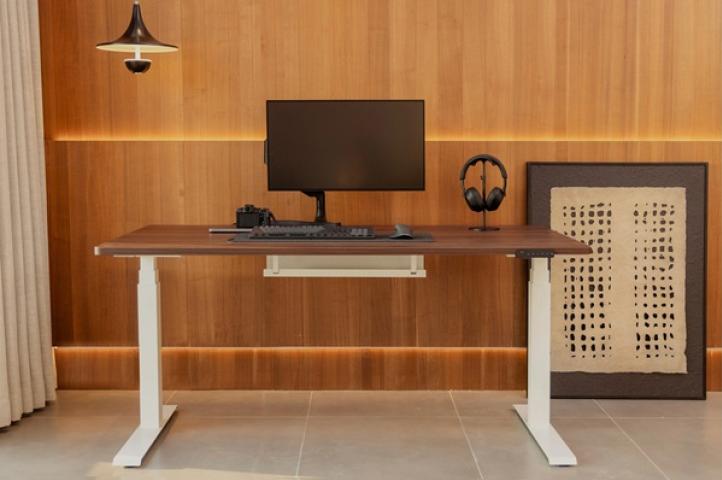
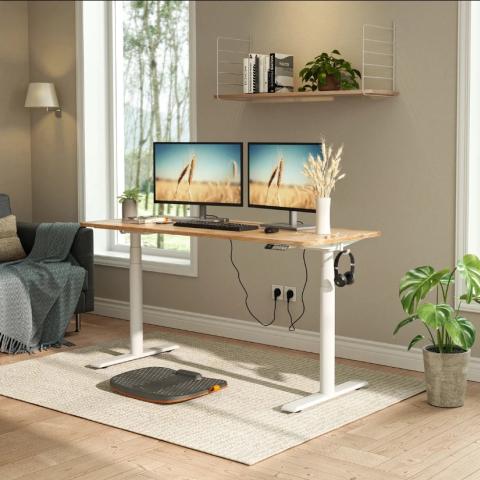
It's tempting to pick a desk based on how it looks in a room, but sizing matters more than most parents expect. A desk that's too tall forces hunched shoulders and awkward wrist angles, which makes homework physically uncomfortable rather than just boring. Look for desks with adjustable height, or at minimum, check that the desk and chair pair properly for your child's age. Growth is the other piece — kids change size fast, and a desk that only fits this year isn't much of an investment.
Light matters more than people think
Natural light is best when you can get it, positioned so it doesn't create glare on a laptop screen. When that's not possible, a dedicated desk lamp with a warm, adjustable tone beats overhead lighting every time. Poor lighting is one of those things nobody complains about directly, they just start avoiding the space.
Storage decides whether the desk stays clean
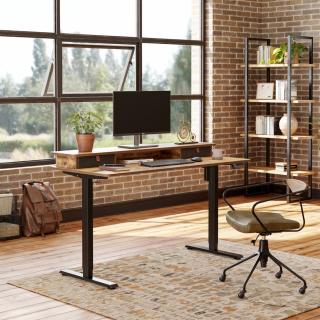
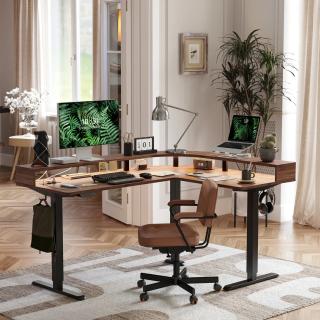
This is the part that gets skipped the most. A desk with built-in drawers or shelving gives everything a place to go, which means less clutter and less friction when it's time to sit down and actually work. Open shelving works well for frequently used books, while drawers are better for pens, chargers and the small stuff that otherwise ends up everywhere.
Let the space feel like theirs
A desk that's purely functional often gets ignored. Kids are more likely to use a space they've had some say in, whether that's picking the colour, adding a small plant, or choosing where the desk sits in the room. It doesn't need to be elaborate, just personal enough that it doesn't feel like a chore station.
If you're looking at options, ozstudydesks.com.au has a range of desks built around these exact points, from adjustable-height models to ones with integrated storage, which makes it easier to match a desk to your child's actual routine rather than guessing.
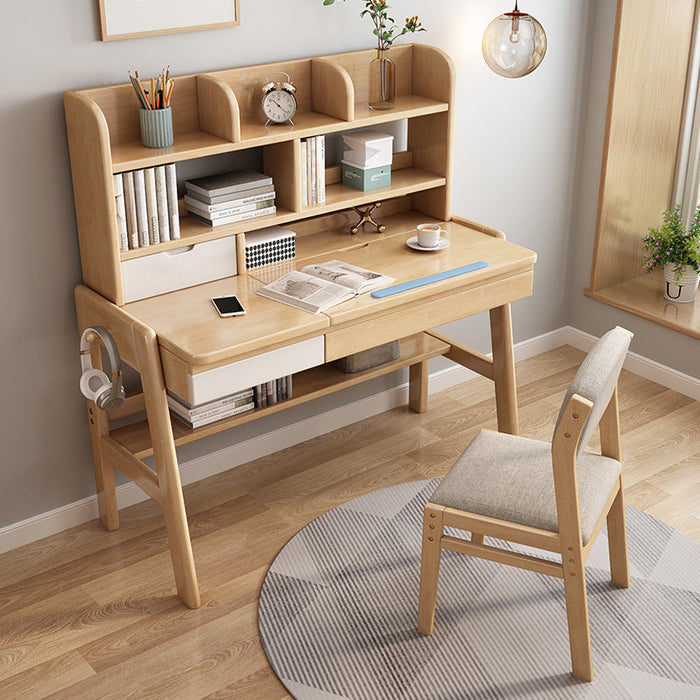
Getting the setup right the first time saves you from buying twice, and more importantly, it's the difference between a desk that gets used and one that quietly becomes a bookshelf.