Social media gives businesses a direct way to communicate with customers, introduce new products, share useful information, and strengthen their online presence. But maintaining an active profile across several platforms can become challenging without a clear plan.
A structured yearly content strategy helps marketers organize campaigns, schedule creative work, and prepare for important occasions. For businesses targeting audiences across India, a social media calendar 2026 india can help bring these activities together in one organized framework.
Begin With Your Marketing Objectives
Before planning individual posts, businesses should define what they want their social media activity to accomplish. Goals may include increasing awareness, generating inquiries, promoting products, improving engagement, or driving visitors to a website.
Once objectives are clear, marketers can assign different content themes to different periods of the year. This prevents the schedule from becoming a random collection of posts.
Organize Your Publishing Schedule
The social media calendar 2026 can be organized by month, week, or campaign. It can include planned publication dates, content formats, campaign goals, responsible team members, and creative requirements.
For example, a business might dedicate certain weeks to educational content while using other periods for product promotions or customer-focused stories. This makes it easier to maintain a consistent flow of content.
Use Festivals Thoughtfully
Festivals and cultural occasions can create opportunities for brands to communicate with their communities. Depending on the business, content may include greetings, special campaigns, limited-time offers, educational information, contests, or themed videos.
A social media festival calendar 2026 allows teams to identify relevant occasions in advance and prepare creative assets before deadlines.
However, brands should avoid forcing a promotional message onto every celebration. Selecting occasions that genuinely relate to the audience can make communication feel more natural.
Pay Attention to Regional Audiences
India's audiences are diverse, and regional differences can influence how people respond to social media content. Language, traditions, local events, and cultural preferences can all play a role.
An indian social media calendar 2026 can help marketers plan content for both nationwide occasions and region-specific celebrations. Businesses with localized customer bases can adapt their campaigns using regional languages, local references, and market-specific messaging.
Create a Variety of Posts
A successful content plan should contain more than promotional material. A varied approach can keep audiences interested and give businesses multiple ways to communicate.
Useful content categories include:
- Educational tips
- Product demonstrations
- Customer testimonials
- Short videos
- Infographics
- Polls and quizzes
- Behind-the-scenes posts
- Industry updates
- Customer stories
- Promotional campaigns
The ideal mix depends on the brand, audience, and platform.
Adapt Ideas Across Platforms
Different social networks offer different content experiences. Instagram can support visual storytelling and short videos, LinkedIn can focus on professional information, and YouTube can be used for longer-form video.
Instead of publishing an identical post everywhere, marketers can adapt a central campaign idea to each platform. This creates consistency while allowing content to fit the specific channel.
Leave Space for Trending Topics
Even the most detailed yearly plan should include some flexibility. Trends and conversations can change quickly, and an opportunity that was not visible during initial planning may become relevant later.
Keeping a few open content slots allows businesses to respond to timely topics without disrupting their major campaigns.
Measure and Improve
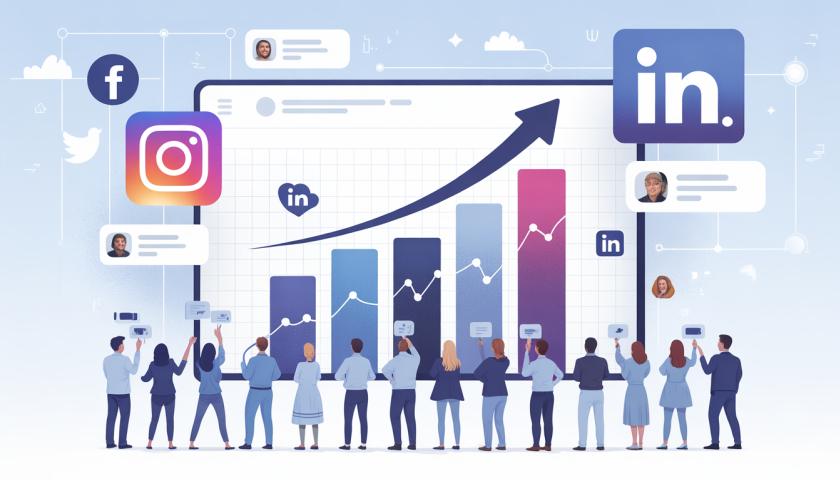
A content plan should be reviewed regularly using performance data. Metrics such as engagement, reach, impressions, video views, website traffic, leads, and conversions can help marketers understand audience behavior.
If a particular format consistently performs well, businesses can consider incorporating more of it into future campaigns. Similarly, weaker content can be reviewed and adjusted.
Conclusion
Effective social media marketing depends on planning, creativity, and continuous improvement. A well-organized yearly schedule can help businesses prepare campaigns, manage content production, recognize relevant occasions, and communicate with different audience groups.
By combining advance preparation with flexible content and regular performance analysis, businesses can create a more consistent and purposeful social media presence throughout 2026.