The global baby care products market was valued at USD 173.29 billion in 2025 and is projected to grow from USD 181.73 billion in 2026 to USD 265.85 billion by 2034, registering a CAGR of 4.87% during 2026-2034. Asia Pacific dominated the market with a 38.25% share in 2025, while North America is expected to record the fastest growth at a CAGR of 7.18%.
Market Size (2025): USD 173.29 Billion
Market Size (2026): USD 181.73 Billion
CAGR (Forecast Period): 4.87% (2026-2034)
Forecast Year: 2034
Projected Market Size (2034): USD 265.85 Billion
Dominant Region: Asia Pacific - 38.25% share
Fastest Growing Region: North America - 7.18% CAGR
Market Overview
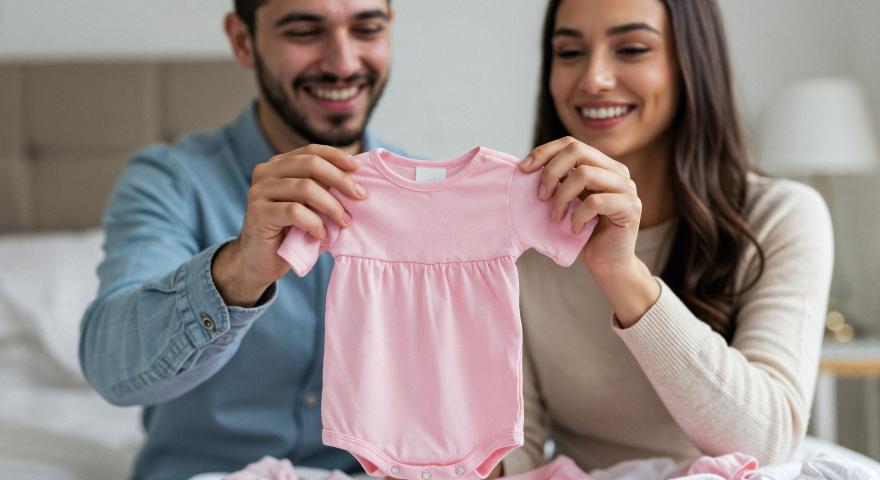
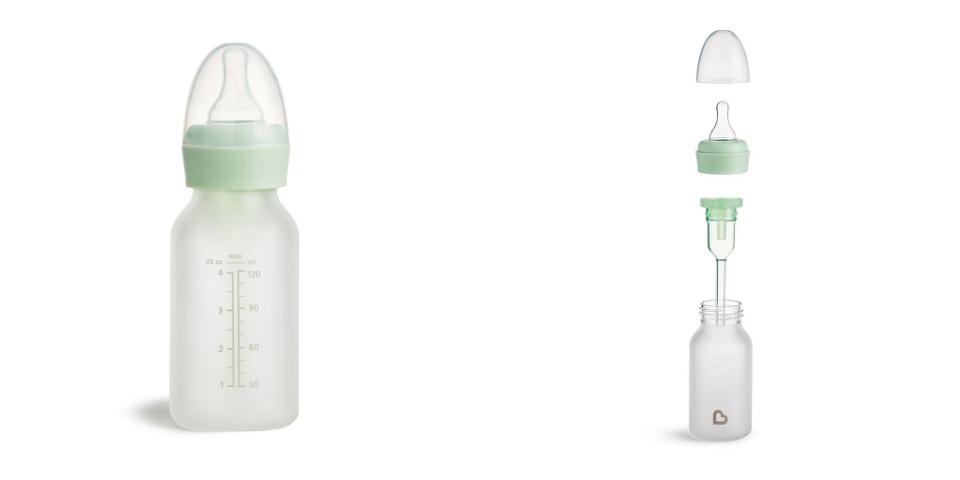
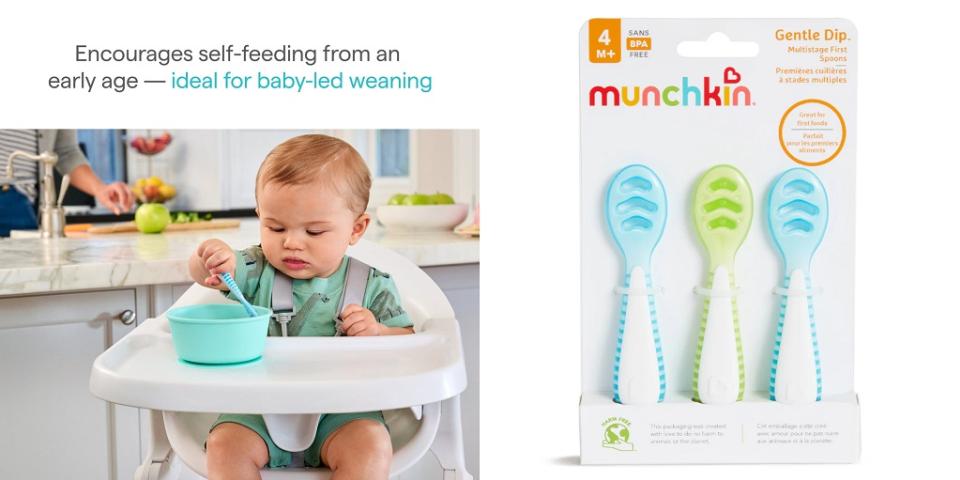
Baby care products cover a broad range of products designed to support infant nutrition, hygiene, comfort, skincare, and safety. The category includes baby food, diapers, wipes, skin and hair care products, feeding accessories, and other infant-care solutions used at home and through retail and healthcare channels.
Product innovation is increasingly focused on safety, comfort, premium performance, natural formulations, and convenience. Recent launches in premium diapers and sensory-conscious skincare show how manufacturers are adapting products to more specific infant-care needs.
Growth Drivers
Expansion of domestic diaper manufacturing is strengthening product availability in developing consumer markets. New production capacity allows manufacturers to improve replenishment, offer different product formats, and serve regional markets more efficiently.
Growing awareness of infant nutrition and hygiene is also supporting purchases across baby food, skincare, wipes, and diaper categories. Premium and organic formulations are gaining attention as parents place greater emphasis on product quality, ingredients, and infant wellness.
Challenges
Balancing product safety, natural ingredients, and performance remains a key challenge for manufacturers. Parents increasingly look for gentle and transparent formulations, while products must still provide effective cleansing, moisturization, protection, preservation, and stability.
Strict quality requirements can also increase testing, certification, documentation, and manufacturing costs. These requirements are particularly important for products that remain in prolonged contact with sensitive infant skin.
Opportunities
Specialized products for premature and medically fragile babies create new opportunities for manufacturers. NICU-focused diapers and other specialized solutions can address requirements that conventional mass-market products may not adequately meet.
Online retail also offers an important expansion avenue as parents increasingly use digital channels to compare products, access specialized brands, benefit from discounts, and arrange recurring purchases. The online retail segment is projected to grow at a CAGR of 8.14% during 2026-2034.
Segment Analysis
The baby food segment dominated the baby care products market with a 34.6% share in 2025 and is also projected to record the fastest product-type growth at a CAGR of 6.84% during 2026-2034. Premium, organic, fortified, and age-specific nutrition products are supporting the segment as parents pay greater attention to infant dietary needs.
By distribution channel, supermarkets and hypermarkets held the largest share at 36.7% in 2025, supported by broad product selection, competitive pricing, and one-stop shopping. Online retail is expected to grow at the fastest CAGR of 8.14% through 2034, supported by smartphone adoption, convenient home delivery, discounts, and subscription-based purchasing.
Regional Analysis
Asia Pacific accounted for the largest regional share of 38.25% in 2025, reaching USD 66.28 billion. The region is projected to grow at a CAGR of 6.55% during the forecast period, supported by urbanization, e-commerce expansion, and greater availability of premium baby food, diapers, skincare products, and toiletries. China represents the largest market in the region, while Japan continues to see interest in premium, organic, and technologically advanced baby care products.
North America is expected to be the fastest-growing regional market, with a CAGR of 7.18% during 2026-2034. The region accounted for 27.8% of the global market in 2025, with the U.S. representing its largest contributor. Europe accounted for 22.35% of the market in 2025, while the Middle East & Africa represented 4.95%; demand for premium, natural, organic, and sustainable baby products continues to shape these regional markets.
Competitive Landscape
The baby care products market includes multinational consumer-goods companies, infant nutrition manufacturers, personal-care specialists, and regional baby-product brands. Competition is shaped by product safety, brand reputation, ingredient transparency, premiumization, sustainable packaging, product innovation, and broad retail distribution.
Key companies operating in the market include:
Johnson & Johnson
Procter & Gamble (P&G)
Kimberly-Clark Corporation
Nestlé S.A.
Unilever plc
Beiersdorf AG
The Himalaya Wellness Company
Unicharm Corporation
Danone S.A.
Laboratoires Expanscience (Mustela)
Recent Developments
In June 2026, Procter & Gamble launched fragrance-free Pampers Swaddlers diapers, expanding its portfolio with a product positioned around gentle care for babies with sensitive skin. During the same month, Kimberly-Clark introduced Pull-Ups Learning Layer technology in Canada to support potty-training awareness.
In May 2026, Huggies launched its “Natural Born Fighters” initiative focused on supporting premature and NICU babies. In November 2025, Kimberly-Clark announced its acquisition of Kenvue, strengthening its presence across baby care, personal care, and consumer health.
Future Outlook
The baby care products market is expected to maintain steady expansion through 2034 as manufacturers respond to changing preferences around infant nutrition, hygiene, skin health, safety, convenience, and sustainability. Baby food is expected to remain an important product category, while digital retail will continue changing how parents discover and purchase baby care products.
Premium diapers, organic and functional nutrition, gentle skincare, specialized neonatal products, sustainable packaging, and online purchasing are likely to remain important areas of industry development. Product innovation that combines safety, performance, convenience, and transparent formulations will continue to shape competition across major regional markets.
Click to Read the Complete Insights & Report: https://straitsresearch.com/report/baby-care-products-market
About Straits Research
Straits Research is a global market intelligence and consulting company that provides market research, strategic insights, competitive analysis, and advisory services across a wide range of industries. The company delivers data-driven research to help businesses, investors, and organizations understand market dynamics, emerging opportunities, competitive environments, and evolving industry trends.