The Steel Wire Rod Price
Trend in Q2 2026 showed a mixed pattern across major global markets.
Europe and South Asia recorded stronger quarterly gains, supported by
construction activity, infrastructure spending, firm billet and scrap costs,
and buying ahead of changes in import quotas.
At the same time, North America and East
Asia experienced more limited price movement because higher inventories and
cautious manufacturing purchases kept buyers from aggressively replenishing
stocks.
Steel wire rod is an important
intermediate steel product used in many everyday industrial applications.
It is commonly drawn into different
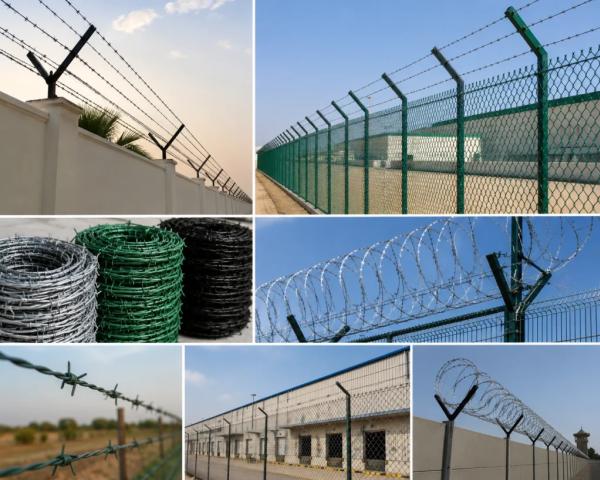
sizes and forms for making construction mesh, binding wire, fasteners, nails,
fencing products, automotive components, springs, and tire cord.
Because of this wide range of uses, its market
price is closely connected with construction activity, manufacturing demand,
raw material costs, and trade conditions.
During Q2 2026, the market also showed
an important difference between regions. Some buyers were purchasing early
because they expected changes in trade rules or higher future costs, while
others were holding back because inventories were already comfortable.
This created a market where prices could
rise strongly in one region while remaining almost flat or even declining in
another.
👉👉👉Please submit your query to get Steel Wire Rod Price Trend, forecast and
market price analysis: https://www.price-watch.ai/book-a-demo/
Global Steel Wire Rod Market in Q2 2026
The second quarter started with
relatively healthy demand in several markets. Spring construction activity
supported consumption in Asia and Europe, while industrial wire drawing
remained an important source of demand. Construction mesh, fasteners, binding
wire, and other downstream sectors continued to take material, although buyers
became more careful about how much inventory they wanted to hold.
Raw material costs also played an
important role. Billet and scrap are major cost factors for wire rod producers,
so changes in these materials can quickly affect mill offers. During the
quarter, relatively firm raw material values provided support to prices in
several regions.
Trade regulations became another
important market factor. Buyers in some European markets increased purchases
before expected quota adjustments and new trade measures. This encouraged early
stocking and reduced prompt availability. By comparison, markets with greater
domestic availability did not experience the same level of buying pressure.
The Steel Wire Rod Price Index therefore
reflected a quarter of regional divergence rather than a single global
direction. Stronger markets were supported by demand, regulation-related
buying, and production costs, while well-supplied markets remained more
range-bound.
Steel Wire Rod Price Trend in India
India recorded a 3.0% increase in wire
rod prices during Q2 2026. The increase was mainly supported by steady demand
from power transmission projects, industrial fastener production, construction
mesh, binding wire, and rural infrastructure development.
At the beginning of the quarter, both
primary and secondary wire drawing mills had relatively healthy order books.
This helped producers maintain firm offers. Higher scrap and iron ore-linked
billet costs also provided additional cost support to the market.
April and May were particularly
supportive months. Construction-related demand remained active, and buyers
continued to require material for mesh and binding wire applications. Producers
therefore had less pressure to reduce their offers.
However, the situation changed in June.
Wire rod prices in India declined by 3.9% as the early monsoon affected outdoor
construction activity. Construction projects slowed in several areas, which
reduced the immediate requirement for wire drawing products.
Secondary re-rollers and
induction-furnace mills also faced higher unsold stocks. With downstream buyers
becoming more cautious, some sellers offered discounts to move material. Softer
raw material costs added to the downward pressure.
This shows how quickly seasonal demand
can influence the market. Even after a firm start to the quarter, weaker
construction activity and inventory accumulation were enough to change the
short-term direction.
Steel Wire Rod Price Trend in China
China experienced a much smaller
quarterly movement, with wire rod prices increasing by 0.6% in Q2 2026.
The market received some support from
the seasonal recovery in construction activity and steady purchasing from
automotive parts and hardware-related wire drawing industries. Export shipments
to Southeast Asian manufacturing markets also helped mills maintain reasonable
production flow.
These exports were important because
they helped absorb part of the available domestic supply. Without this
additional demand, coastal inventories could have increased more quickly.
However, domestic real estate remained a
limitation for broader demand growth. Construction activity did not expand
strongly enough to create sustained upward pressure on prices. As a result, the
overall quarterly increase remained modest.
June brought another change. Wire rod
prices declined by 0.4% as heatwaves and heavy rainfall affected construction
and infrastructure work in several areas. Wire drawers and mesh producers
reduced spot purchases and focused more on immediate requirements.
Buyers were also careful about working
capital because margins in some downstream finished-steel businesses remained
weak. This encouraged hand-to-mouth purchasing rather than aggressive inventory
building.
The Chinese market therefore remained
relatively balanced during Q2, with export demand providing some support while
domestic construction limitations prevented a stronger price increase.
Steel Wire Rod Price Trend in the UK
The UK recorded one of the strongest
quarterly increases, with wire rod prices rising by 5.2% in Q2 2026.
A major reason was buyer activity ahead
of new steel trade defense measures and quota revisions scheduled for July 1.
Importers and stockholders wanted to secure material before potential
out-of-quota tariffs and tighter trade conditions took effect.
This created a rush for available
material. Buyers booked tonnage earlier than they normally might have, which
tightened prompt availability through local distribution networks.
Higher energy costs and firm scrap
values also supported mill pricing. When production costs remain high while
buyers are actively securing material, producers have greater ability to
maintain firm offers.
However, June saw a 0.7% monthly
decline. By then, many buyers had already filled their import quotas and built
additional stock. This reduced the need for fresh purchases.
Construction mesh producers and
industrial drawing plants increasingly worked from existing inventories.
Stockholders therefore faced weaker spot inquiries and had to make small
concessions to move prompt material.
The UK experience shows how trade policy
can temporarily change normal purchasing behavior. Buyers may purchase earlier
than usual when they expect future import restrictions, creating a short period
of stronger prices followed by weaker demand once inventories are built.
Steel Wire Rod Price Trend in the USA
The USA moved in the opposite direction
from the UK and India, with wire rod prices declining by 0.7% during Q2 2026.
The main pressure came from elevated
port inventories, competitive imports, and slower commercial construction
activity. With more material available, buyers had less reason to pay higher
spot prices.
Domestic electric arc furnace producers
also experienced some margin pressure as scrap costs softened during part of
the quarter. Downstream wire drawers and fastener manufacturers remained
cautious and relied more heavily on existing contracts instead of making large
spot purchases.
This created a relatively restrained
buying environment.
The market showed some improvement in
June, however. Prices increased by 0.5% during the month as prime scrap prices
moved higher and freight surcharges increased.
Domestic mills also managed capacity
carefully, reducing spot availability. With fewer freely available tonnes in
the market, producers were able to push quotations slightly higher.
Demand from automotive reinforcement and
specialized wire drawing applications also provided a stable base for the
market. While this was not enough to create a major quarterly increase, it
helped stop the market from continuing its earlier decline.
What the Steel Wire Rod Price Chart
Shows
The Steel Wire Rod Price Chart for
Q2 2026 highlights how regional factors can be more important than a single
global trend.
India recorded a 3.0% quarterly increase
before experiencing a sharp June correction. China remained almost flat with a
0.6% quarterly rise and a small June decline. The UK recorded a stronger 5.2%
increase because of pre-policy buying, while the USA declined by 0.7% because
of inventories, imports, and softer construction demand.
These differences are useful for buyers
because the global market cannot always be understood through one average price
movement. A buyer purchasing material in India may face a very different market
environment from a buyer in the UK or USA.
The chart also demonstrates the
importance of looking at both quarterly and monthly movements. A quarterly
increase can hide a significant correction toward the end of the period, as
seen in India.
Key Factors Affecting Steel Wire Rod
Prices
Several factors shaped the market during
Q2 2026. Construction demand was one of the most important. Wire rod
consumption is closely linked with construction mesh, binding wire,
reinforcement products, and other building applications.
Raw material costs were another major
influence. Scrap and billet costs directly affect production economics, while
iron ore conditions can influence the broader steel cost structure.
Trade regulations also became
increasingly important. Import quotas, tariffs, and trade defense measures can
change buyer behavior even when physical demand remains stable. Buyers may
bring forward purchases when they expect tighter import conditions.
Weather also played a role. Monsoon
rainfall in India, heatwaves in China, and seasonal weather conditions affected
outdoor construction activity and reduced short-term purchasing.
Inventory levels were equally important.
Markets with comfortable inventories had less urgency among buyers, while
markets with limited prompt availability saw stronger pricing power for
sellers.
Steel Wire Rod Prices Outlook
Looking ahead, the direction of steel
wire rod prices will depend on the balance between construction demand,
industrial production, raw material costs, inventories, and trade policies.
If infrastructure and construction
activity remain healthy, demand for wire rod could stay stable across major
consuming markets. Stronger scrap or billet costs could also provide additional
support to producer offers.
On the other hand, high inventories
could limit price increases in markets where buyers are already well stocked.
Seasonal weather can also temporarily reduce construction demand.
Trade policy will remain another factor
to watch, particularly in markets where quotas or import restrictions influence
purchasing decisions. Changes in import costs can quickly affect the
competitiveness of overseas material and encourage buyers to adjust their
procurement timing.
For buyers and sellers, it is therefore
useful to monitor not only the headline market price but also raw material
movements, downstream order books, import activity, inventory levels, and
regional trade developments.
Why Monitoring the Steel Wire Rod Price
Index Matters
The Steel Wire Rod Price Index
provides a useful way to follow broader market movement over time. However,
businesses should also consider the specific grade, diameter, delivery
location, and market conditions relevant to their purchases.
For example, a 5.5 mm SAE1008 product in
India can experience a different price movement from a 12.7 mm product in the
USA. Freight costs, local availability, production routes, taxes, import
competition, and downstream demand can all create differences.
Regular price monitoring can help
procurement teams identify whether a market movement is temporary or part of a
broader trend. It can also support better timing of purchases and improve
budgeting for steel-intensive products.
Conclusion
Q2 2026 demonstrated that the global
steel wire rod market was far from uniform. India and the UK experienced
stronger quarterly increases, although both markets saw weaker conditions in
June. China remained relatively stable because export demand balanced softer
domestic construction activity. The USA moved lower during the quarter as
inventories and cautious procurement limited pricing power, although June
brought a modest recovery.
The main lesson from the quarter is that
local demand, raw material costs, inventory positions, weather, and trade
regulations can all change the direction of the market. Buyers therefore need
to look beyond a single global number when assessing future costs.
For manufacturers, distributors, wire
drawers, fastener producers, construction-related businesses, and other users,
tracking the latest Steel Wire Rod Prices,
market movements, and regional developments can provide a clearer understanding
of purchasing conditions. A combination of current market data, historical
movement, and forward-looking analysis can help businesses prepare their
procurement and budgeting decisions more effectively.
👉👉👉Please submit your query to get Steel Wire Rod Price Trend, forecast and
market price analysis: https://www.price-watch.ai/book-a-demo/
About Price Watch™
Price Watch™ is an
India-based, independent raw material price reporting agency that provides
real-time price forecasts and data-driven insights into global raw material
markets. Price Watch™ specializes in tracking raw material prices, analyzing
market trends, and delivering timely updates on plant shutdowns, supply
disruptions, capacity expansions, and demand-supply dynamics. The Price Watch™
platform empowers manufacturers, traders, and procurement professionals to make
faster, smarter decisions. Leveraging AI-powered forecasting and over a decade
of historical data, Price Watch™ transforms market volatility into actionable
opportunity.
Futura Tech Park,
C Block, 8th floor 334,
Old Mahabalipuram Road,
Sholinganallur, Chennai, Tamil Nadu, Pincode - 600119.
𝐋𝐢𝐧𝐤𝐞𝐝𝐈𝐧:
https://www.linkedin.com/company/price-watch-ai/
𝐅𝐚𝐜𝐞𝐛𝐨𝐨𝐤:
https://www.facebook.com/people//61568490385598/
𝐓𝐰𝐢𝐭𝐭𝐞𝐫:
https://x.com/pricewatchai
𝐖𝐞𝐛𝐬𝐢𝐭𝐞:
https://www.price-watch.ai/