Few HVAC problems are more confusing than an air conditioner that sounds like it's working but isn't actually cooling the house.
You can hear the indoor blower running. The thermostat says the system is cooling. But the air coming from the vents feels warm or barely cool.
In San Antonio, that can become a serious comfort problem quickly when outdoor temperatures are high.
The good news is that warm air doesn't automatically mean the entire AC system has failed. There are several possible causes, and some basic checks can help determine what to do next.
Start With the Thermostat
Before assuming something major has failed, check the thermostat.
Make sure the system is set to Cool, not Heat or Off.
Then check the temperature setting. It should be below the current indoor temperature if you want the system to call for cooling.
If the thermostat uses batteries, check whether the display is functioning normally.
A thermostat issue can sometimes make an otherwise functional air conditioner appear to be malfunctioning.
Check the Air Filter
A dirty air filter can restrict airflow through the system.
If the filter is heavily clogged, replace it with the correct filter for your equipment.
Then give the system some time to operate normally.
If warm air continues coming from the vents, there may be another problem that the filter cannot solve.
Look at the Outdoor Unit
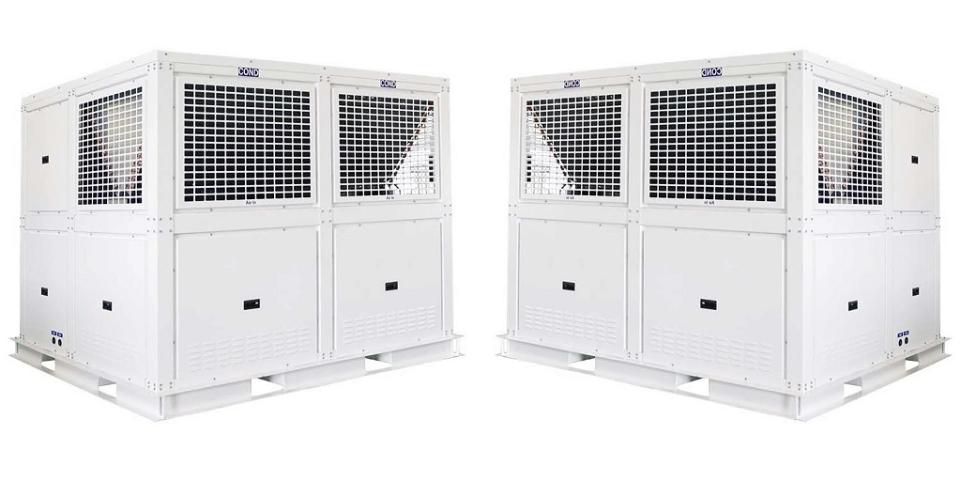
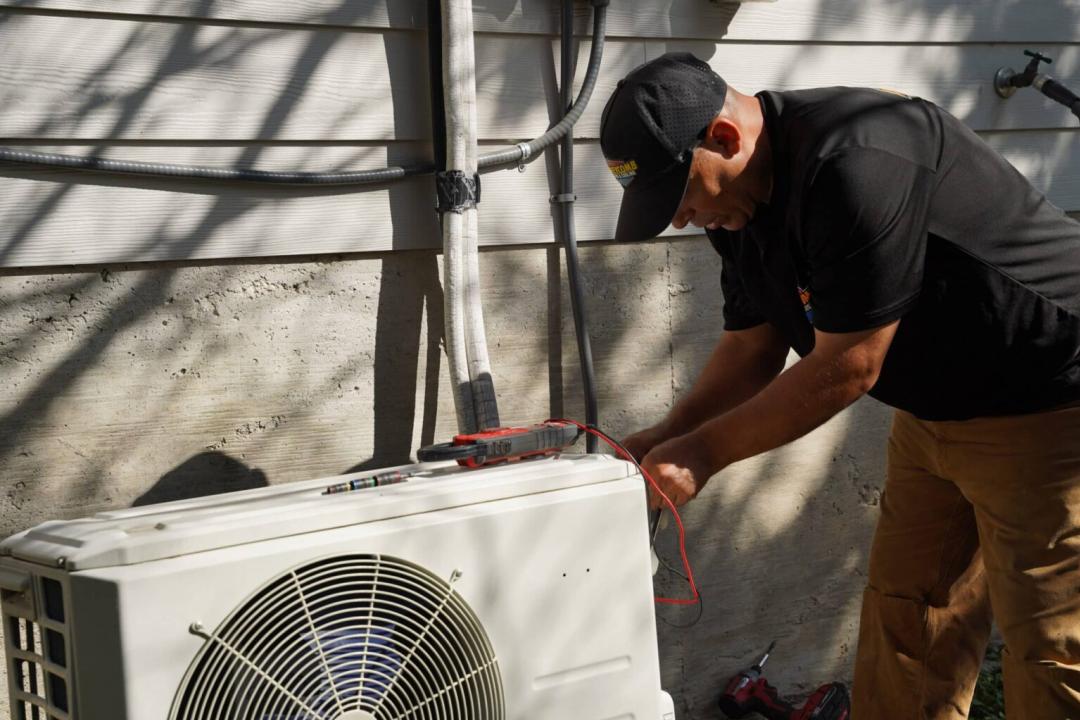
If the indoor blower is running but the air isn't cold, take a look at the outdoor condenser from a safe distance.
Is the fan running?
Is the unit completely silent?
Do you hear buzzing or clicking?
Is there visible ice?
You don't need to open the equipment or touch anything.
Simply knowing whether the outdoor unit is operating can provide useful information.
Check for Ice
It may seem strange to see ice on an air conditioner during a hot San Antonio afternoon, but it can happen.
Ice may be associated with airflow restrictions, refrigerant-related problems, or other operating issues.
Don't try to break the ice off.
If the system is frozen, turning it off and allowing it to thaw may be appropriate while you arrange for professional evaluation. The underlying cause still needs to be identified.
Could It Be a Refrigerant Problem?
Refrigerant plays an important role in the cooling process.
When the system has a refrigerant-related problem, homeowners may notice warm air, reduced cooling performance, longer run times, or ice formation.
Adding refrigerant isn't necessarily a complete solution.
If there is a leak or another underlying issue, that problem needs to be addressed as well.
Refrigerant-system work should be handled by qualified HVAC professionals.
What If the Outdoor Unit Isn't Running?
If the indoor blower is running but the outdoor condenser isn't, several possibilities exist.
The issue could involve:
- An electrical component
- A control problem
- A thermostat signal
- Wiring
- A safety switch
- Another equipment fault
These possibilities can produce similar symptoms, which is why guessing at the failed component isn't particularly useful for homeowners.
Professional testing can determine what is actually happening.
When Warm Air Becomes an Emergency
Warm air isn't automatically an emergency.
If the system is still providing some cooling and the indoor temperature is stable, you may be able to schedule a regular service appointment.
The situation becomes more urgent when the AC is producing no cooling at all and indoor temperatures are rising quickly, especially during extreme heat.
Other warning signs include:
- Burning or electrical odors
- Repeated breaker trips
- Significant water leakage
- Heavy ice buildup
- Severe mechanical noises
- Smoke or visible sparking
In those circumstances, emergency AC repair San Antonio can be a practical option when the cooling problem needs attention sooner than a routine appointment.
Professional emergency AC repair can help identify the cause of the failure and determine whether the system can be safely repaired.
Don't Keep Lowering the Thermostat
If the house isn't cooling, it can be tempting to keep lowering the thermostat.
That doesn't make the AC produce colder air.
If there's a mechanical, electrical, airflow, or refrigerant problem, changing the temperature setting won't correct it.
Instead, check the basic items, observe what the equipment is doing, and stop troubleshooting once the issue moves beyond simple homeowner checks.
Warm Air Doesn't Automatically Mean Replacement
An AC blowing warm air can sound like a major failure, but the symptom alone doesn't tell you whether the equipment needs to be replaced.
A thermostat problem, electrical component, airflow restriction, drainage issue, or another repairable fault could be responsible.
Even when an older system is involved, the best starting point is understanding what actually failed.
Once the cause is known, homeowners can make a more informed decision about repair versus replacement.
What to Tell the Technician
When requesting service, explain exactly what you're experiencing.
Useful details include:
- The AC is running but blowing warm air
- Whether the outdoor unit is running
- Whether the problem started suddenly
- Whether the system has been short cycling
- Whether there is ice
- Whether there is water around the indoor unit
- Whether the breaker has tripped
- Whether you noticed unusual sounds or smells
You don't have to identify the failed component.
Your observations are enough to give the technician a useful starting point.
The Bottom Line
An air conditioner that runs without producing cold air has a problem, but the symptom alone doesn't tell you what caused it.
Start with the thermostat and filter.
Check the breaker once if appropriate.
Observe the outdoor unit from a safe distance.
Look for ice, water, unusual sounds, or electrical warning signs.
If the system isn't cooling and the situation is becoming urgent, especially during extreme San Antonio heat, professional help can prevent you from spending hours guessing at the problem.
The sooner the actual cause is identified, the easier it is to decide what needs to happen next.