
Understanding Incrementality Testing in SEO
A rise in organic traffic after an SEO change is encouraging. It is not proof that the change caused the increase. A product launch, paid campaign, social media post, or seasonal shift may have affected the same result. Incrementality testing isolates those variables so a startup can measure what its SEO work actually contributed. When budgets are tight, that distinction shapes where the next marketing dollar goes.
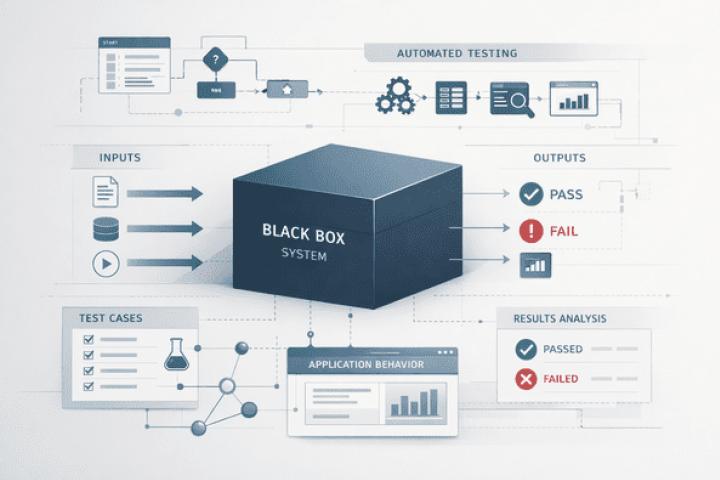
Start with a hypothesis specific enough to test. If the team expects optimization for a particular keyword to increase traffic and conversions, record both metrics before and after the change. Then compare the results with a control group that did not receive the change. A simple before-and-after comparison cannot rule out other influences, while a control group provides a more reliable baseline. Google Analytics can simplify the tracking, though a complex analysis may be worth outsourcing to a specialist.
Give the test enough time. A few weeks may not produce meaningful evidence, particularly when seasonal trends or changes in consumer behavior affect demand. Testing over several months is often necessary. Startups may lack the resources or in-house expertise for a long test, but rushing the process weakens the data that will guide later investment decisions.
Suppose a startup launches a new product line while running several marketing campaigns. Incrementality testing can show how much of the new traffic came from SEO rather than those other activities. Once the signal becomes clear, the team can make real-time adjustments. A tech startup might discover that one blog post generates more conversions than a social media campaign, for example, and shift its content focus accordingly.
The same discipline applies when a startup invests in both content marketing and paid search. If testing reveals which channel is genuinely driving conversions, the company can direct more of its limited budget toward the work that contributes to growth. That matters most in the early stages, when every dollar spent needs to earn its place.
An underperforming test is useful too. It gives the team a reason to revise the SEO tactic, form a new hypothesis, and test again. This cycle of measurement and adjustment prevents a startup from giving too much credit to one channel or continuing with a strategy after the evidence has turned against it.
Leveraging E-commerce SEO Services for Growth
A new online shop cannot rely on an established name to bring people to its products. Ecommerce SEO services address that problem by improving product pages, site structure, keyword targeting, site speed, and mobile usability. These changes can increase search visibility while removing obstacles that keep visitors from completing a purchase.
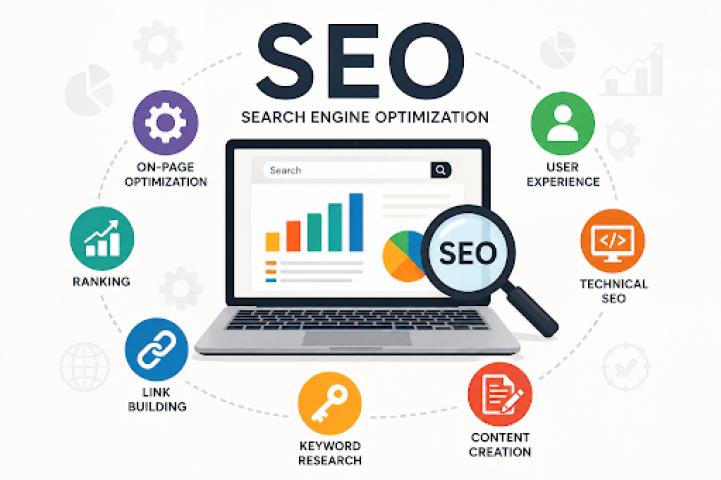
The priorities should change as the startup grows. Early on, technical SEO comes first: the website must be crawlable and indexable so search engines can find and understand its pages. Once that foundation is in place, content marketing and link-building strategies can take a larger role. Working in stages is more coherent than pursuing a collection of disconnected tactics.
Mobile performance needs particular attention as more consumers shop on their phones. Integrating a website to app converter can provide a faster, more intuitive mobile interface and reduce friction during a purchase. Keeping users engaged can affect search visibility, while a smoother buying process can encourage them to return. Improved SEO rankings and a more loyal customer base often follow when shoppers can browse and buy without unnecessary difficulty.
One small online clothing retailer demonstrates how these elements can work together. After optimizing its site structure, the retailer recorded a 50% increase in organic traffic within six months. Ecommerce SEO services helped refine its keyword strategy, while a website to app converter further boosted engagement and sales by 30%.
A tech gadget store took a different route. It used ecommerce SEO services to target niche long-tail keywords, increasing its conversion rate by 40% and significantly expanding its customer base. Effective e-commerce SEO is not a fixed package. The right emphasis depends on the startup’s stage of growth, its audience, and the weaknesses in its current site.
SEO can also work alongside influencer partnerships and social media. Imagine an e-commerce startup asking an influencer to promote an app created through a website to app converter. The collaboration could increase app downloads and brand awareness, with the resulting attention bringing more organic traffic and supporting sales.
A health and wellness startup used an even broader mix of tactics. By combining technical SEO, content marketing, and influencer partnerships, it achieved a 200% increase in organic traffic over a year. Ecommerce SEO services supported the campaign, helping the company capture a larger market share and establish itself as an industry leader.
None of this turns SEO into a one-time project. Search algorithms change, consumer behavior shifts, and a tactic that works today may lose effectiveness later. Startups need to monitor results, revise their strategies, and change direction when the data no longer supports the current approach.
Integrating Enterprise AI and Press Release Services for SEO Success
SEO can produce more data than a small team has time to examine manually. Enterprise AI can analyze large volumes of information about search trends, user behavior, and existing performance. It can then identify gaps in the current strategy and help the team shape content around topics that matter to its target audience. Better alignment between content and audience interest can improve search rankings while helping the startup adapt more quickly.
Press Release Services perform a different job. A well-crafted release can put a startup in front of a wider audience, attract coverage from high-authority websites, and earn backlinks that support SEO. When press release services are coordinated with an existing search strategy, they can strengthen both visibility and site credibility.
A practical sequence is to use enterprise AI to identify an emerging topic, then use press release services to amplify a focused message about it. One tech startup followed this approach, using AI to spot relevant trends before building its press releases around them. The releases secured coverage on major blogs and improved the startup’s search rankings.
Enterprise AI can continue working after a visitor reaches the website. By analyzing user data, it can tailor content to individual preferences, increasing engagement and conversion rates. More relevant content can improve customer satisfaction as well as SEO, creating a cycle in which better audience understanding supports stronger performance.
There is an operational benefit too. Enterprise AI can automate repetitive tasks such as routine data analysis, leaving employees with more time for strategic and creative work. Imagine the AI processing recurring SEO data while the team concentrates on writing a compelling press release. The technology handles the repetitive analysis; the people still make the judgments that shape the message.
Enterprise AI can also help predict market trends and changes in consumer needs. A startup can use those insights to align upcoming press releases with emerging topics, increasing its chances of capturing audience interest and securing media coverage. Timely releases can support SEO while positioning the company as an industry innovator that responds to changing market conditions.
Press release services can also help a startup build a reputation as a thought leader, but frequency alone is not enough. The releases need to contain useful, relevant ideas. Consistently publishing insightful material can attract media attention, generate organic buzz, improve SEO, and establish credibility in a competitive industry.
Consider the example of a fintech startup that used enterprise AI to analyze customer feedback and market trends. It aligned its press release services with those findings, producing messages that resonated more closely with its intended audience. The approach improved SEO, increased media coverage, and strengthened the startup’s brand presence in a crowded market.
These methods solve different parts of the same growth problem. Incrementality testing shows which activities are producing results. Ecommerce SEO services strengthen the technical and content foundation that brings shoppers to the site. Enterprise AI helps interpret audience and market signals, while press release services carry timely messages beyond the startup’s existing reach.
A startup does not need to adopt every tool at once. It needs to know what problem each tool solves, how the result will be measured, and when weak evidence should trigger a change in direction. Used with that discipline, these approaches can support long-term growth, efficient scaling, and faster responses to market change.