If you are looking for a real estate app development company, you already understand that buyers, renters and agents now do most of their work on their phones. Checking listings, scheduling viewings, signing paperwork and even paying rent all of it happens on devices. Finding the development partner turns this shift into real profit, not just a costly trial.
The numbers prove it. The global proptech market was valued at 54.66 billion U.S. Dollars in 2026. Its expected to grow to, around 209.43 billion U.S. Dollars by 2035 with a compound annual growth rate of 16.10% according to Precedence Research. In 2025 software was the segment making up 68 percent of the market.
This guide walks you through restate app development covering costs must-have features how the app is built and how to pick the right development partner.
Real Estate App Development Cost
Real estate app development costs change a lot because every project is different. A basic app that shows listings is not the same, as a system that includes payments and virtual tours.
These factors move the price the most:
- Features and scope: Every extra module adds design, development, and testing hours.
- Platforms: Building for iOS and Android costs more than one platform, though React Native and Flutter close much of the gap.
- Design depth: Custom maps, animations, and 3D tours cost more than standard components.
- Integrations: MLS or IDX data feeds, payment gateways, e-signature tools, and CRM sync all take extra work.
- Team model: Rates differ between US based, nearshore, and offshore teams.
- Security and compliance: Apps that handle payments, leases, and tenant data need stronger safeguards.
For real estate app development cost in USA, most projects land between $30,000 and $300,000. US agencies commonly bill $100 to $200 per hour, while experienced offshore partners often deliver comparable quality for less. Treat every number in this guide as a planning range, not a quote.
Key Features of a Real Estate App
Strong real estate app features do two things. They help people find the property quickly. They also help agents and owners deals with fewer roadblocks. These are the kinds of features users will expect in an estate mobile app by 2026.
Core Features for Buyers and Renters
Advanced search with filters for price, bedrooms, commute time, and school zones
- Map based search with saved areas
- Saved searches with instant push alerts
- High quality photos, video, and 3D virtual tours
- Mortgage and affordability calculators
- In app chat, calls, and tour scheduling
Features for Agents and Property Owners
- Listing management dashboard
- Lead capture with CRM sync
- Document upload and e-signatures
- Analytics on views, saves, and inquiries
Advanced Features Worth Planning For
- AI powered price estimates and personalized recommendations
- AR furniture and renovation previews
- Smart home and IoT integrations
- Property management app development modules such as rent collection, maintenance tickets, and lease tracking
Real Estate App Development Process
Thinking about how to build a real estate app without spending much? A clear and structured real estate app development process can keep scope, cost and timeline under control.
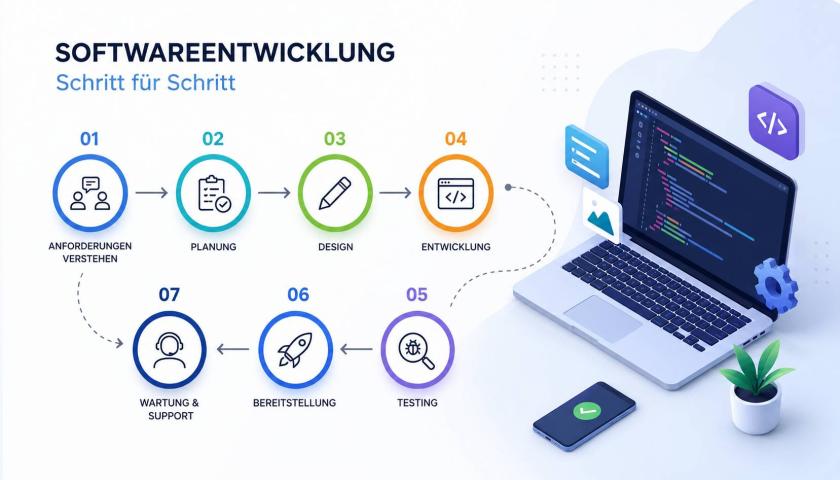
- Discovery and research: Define your users, study competitors, and set the feature list. This takes one to three weeks.
- UX and UI design: Build wireframes and a clickable prototype so you can test flows before any code exists.
- Architecture and tech stack: Choose the framework, backend, cloud setup, and third party integrations.
- Agile development: Build in two week sprints so you see working features early and often.
- Testing and QA: Test across devices, operating systems, and network conditions, including security checks.
- Launch: Prepare store listings and handle App Store and Google Play submission.
- Support and iteration: Fix bugs, ship updates, and add features based on real user data.
Good real estate app development services cover all seven steps, not just the coding.
Types of Real Estate App Development
Listing and Marketplace Apps
These apps connect buyers, sellers and renters. Most income comes from featured listings, membership subscriptions, or lead fees.
Property Management Apps
Landlords and property managers use these to collect rent, handle maintenance requests and stay in touch with tenants. The demand for property management app development is growing as more portfolios move online.
Real Estate CRM and Agent Apps
Agents use these tools to track leads, schedule viewings, and follow up faster while on the go.
Rental and Short Term Stay Apps
Booking, calendar synchronization, dynamic pricing and guest messaging are parts of these apps.
Investment and Crowdfunding Apps
These let users invest in shared property ownership. That means they need KYC checks, compliance systems and detailed reporting features.
How Much Does It Cost to Build a Real Estate App?
If you are wondering how much it costs to build a real estate app here is a breakdown based on the type of app. The numbers are standard US market ranges for the year 2026. These estimates take into account both iOS and Android platforms.
App Type | Typical Scope | Estimated Cost (USD) | Timeline |
Basic listing app (MVP) | Search, filters, listing pages, accounts, push alerts | $30,000 to $60,000 | 3 to 4 months |
Marketplace or agent app | MVP plus chat, tour booking, agent dashboards, payments | $60,000 to $120,000 | 4 to 7 months |
Property management app | Rent collection, maintenance tickets, lease tracking, tenant portal | $80,000 to $150,000 | 5 to 8 months |
Advanced AI and AR platform | AI valuations, AR/VR tours, IoT, analytics | $150,000 to $300,000+ | 8 to 12 months |
A few ways to keep real estate mobile app development costs in check:
- Launch an MVP first and add features after you see real usage.
- Use a cross-platform framework when your design allows it.
- Write clear specs before development starts, since changes mid-sprint cost the most.
- Plan 15% to 20% of the build cost per year for updates, hosting, and OS compatibility.
How to Choose a Real Estate App Development Company
The cheapest quote rarely ends up the cheapest project. Look for these signs of a reliable partner:
- Relevant portfolio: Ask for live apps in proptech or marketplaces, not just generic mobile work.
- Transparent pricing: You should get a clear estimate with phases, not a vague lump sum.
- Technical fit: The team should explain why they recommend a stack, and be able to integrate MLS, payment, and mapping tools.
- Communication: Look for sprint demos, a named project manager, and good time zone overlap with your team.
- Security practices: NDAs, encrypted data handling, and regular audits should be standard.
- Post launch support: Apps need maintenance, so ask what support looks like after release.
- Verified reviews: Check Clutch, GoodFirms, and Google, and speak to past clients if you can.
Ready to Build Your Real Estate App?
Every month you wait is a month your competitors spend collecting your future users. Get a detailed feature list, a realistic cost estimate, and a clear launch plan from a team that builds real estate apps for US clients.
People Also Ask
How much does it cost to develop a real estate app?
Most real estate apps cost between $30,000 and $300,000. A basic listing MVP sits at the low end, while AI and AR platforms reach the top.
How long does it take to build a real estate app?
Expect three to four months for an MVP and eight to twelve months for a feature rich platform.
What are the must-have features of a real estate app?
Advanced search, map view, saved searches with alerts, photo and video galleries, in app chat, and tour scheduling are the essentials.
How do real estate apps make money?
Common models include subscriptions, featured listings, lead generation fees, commissions, and in app advertising.
Should I choose native or cross platform development?
Cross platform tools like React Native and Flutter suit most MVPs and marketplaces. Native makes sense when you need heavy AR or advanced device features.
Final Thoughts
A real estate app that works well starts with a set of features a realistic budget and a partner who understands both software and property workflows. The real estate app should start test, with real users and then expand the real estate app based on what works.