Launching a security token involves more than creating a token and putting it on a blockchain. An STO can represent ownership in an asset or financial interest, which brings additional requirements around investor verification, transfer rules, security, and compliance. This makes STO development different from a typical token launch or traditional equity issuance. For businesses planning an STO, working with the right STO development company can help turn these requirements into the right technical infrastructure and investor experience.
What Is a Security Token Offering?
A Security Token Offering (STO) is a method of issuing digital tokens that represent ownership, rights, or an interest in an underlying asset or financial instrument. Unlike tokens designed primarily for utility or access, security tokens can fall within securities regulations depending on how they are structured and offered.
An STO typically combines blockchain technology with securities issuance processes. The token can represent assets such as company equity, real estate interests, debt, or other financial assets. Smart contracts can also be used to manage token rules, transfers, and other programmed functions.
For businesses, this means an STO requires more than token creation. The development process may involve investor onboarding, identity verification, transfer restrictions, wallet integration, transaction records, and other platform features based on the offering structure and applicable requirements.
What Makes STO Development Different From Traditional Token Launches?
STO development involves requirements that go beyond creating and distributing a digital token. Because security tokens can represent ownership or financial rights, the platform needs to account for how investors are verified, how tokens can be transferred, and how transactions are recorded.
Investor verification: An STO platform may need KYC and AML workflows to verify investors and determine eligibility.
Transfer restrictions: Smart contracts can include rules that restrict token transfers based on the offering structure and applicable requirements.
Compliance-related workflows: The platform may need features that support jurisdiction-specific requirements, reporting, and investor records.
Asset representation: The token needs to accurately represent the underlying asset, ownership interest, or financial right defined by the offering.
Smart contract logic: Contracts can be designed to manage issuance, allocation, transfers, and other token functions.
Investor management: Dashboards may be required for onboarding, token allocations, transaction history, and relevant documents.
Security: The platform must protect investor information, wallets, transactions, and smart contract functionality.
A traditional token launch may focus primarily on token creation, distribution, and community participation. STO development requires a broader technical approach because the token and its supporting platform need to work within the structure of a regulated financial offering.
Security Token Offering vs Traditional Equity: What to Compare
An STO and traditional equity can both represent ownership or financial rights, but the way they are issued, recorded, transferred, and managed can differ. Businesses should compare the two based on their offering structure, investor requirements, technology, and operational needs.
Factor | Security Token Offering | Traditional Equity |
Ownership representation | Represented through digital security tokens | Represented through shares or equity records |
Issuance | Uses blockchain-based token issuance infrastructure | Uses conventional securities issuance processes |
Investor onboarding | Can include digital KYC/AML and eligibility workflows | Typically handled through established investor verification processes |
Transfer management | Smart contracts can enforce programmed transfer rules | Transfers are managed through conventional systems and applicable restrictions |
Recordkeeping | Blockchain records can support transaction and ownership tracking | Usually maintained through company records, registries, or cap table systems |
Technology | Requires blockchain, smart contracts, wallets, and supporting platform infrastructure | Primarily relies on traditional financial and corporate systems |
Secondary trading | May require integration with an appropriate compliant trading venue | Established securities markets and transfer systems may be available depending on the security |
Automation | Certain issuance and transfer processes can be automated through smart contracts | Processes generally rely more heavily on conventional financial infrastructure |
The choice depends on the asset, offering structure, target investors, jurisdiction, and operational requirements. An STO is not simply a digital replacement for equity; it introduces a different technology layer for issuing and managing securities.
What Does an STO Development Company Actually Build?
An STO development company builds the technical infrastructure needed to issue, manage, and support security tokens. The exact components depend on the asset, offering structure, target investors, and applicable requirements.
Security token smart contracts: Define token issuance, allocation, transfer rules, and other programmed functions.
STO platform: Provides the infrastructure for managing token issuance, investors, transactions, and related workflows.
Investor onboarding: Supports registration, identity verification, eligibility checks, and document collection.
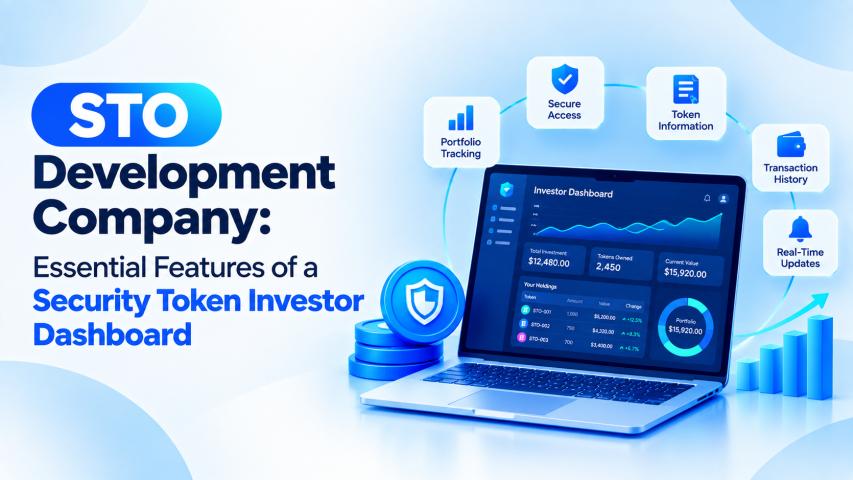
Investor dashboard: Gives investors access to relevant information, token holdings, transaction history, and offering details.
Token distribution: Handles token allocation and distribution based on the defined offering structure.
Wallet integration: Connects supported wallets for receiving, holding, and transferring security tokens.
Transfer management: Implements rules that control how and when tokens can be transferred.
Issuer dashboard: Helps issuers manage investors, token allocations, transactions, and platform activity.
Reporting and records: Maintains relevant transaction and investor records for ongoing administration.
The goal is not simply to create a security token. The development work connects the token with the platform, investor workflows, wallets, and management tools needed to operate the offering.
How Does the STO Development Process Work?
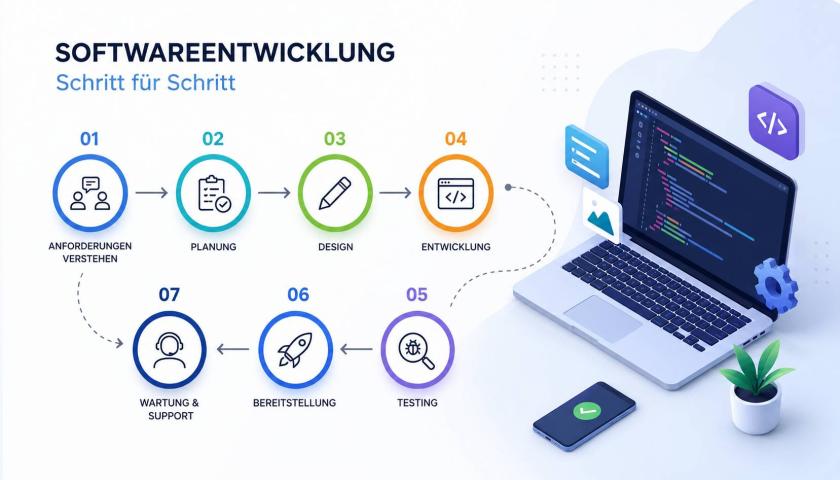
STO development typically starts with defining the asset and offering structure before moving into platform and blockchain development. Each stage should reflect the project's technical requirements and applicable legal and compliance considerations.
Define the asset and offering: Determine what the security token represents, such as equity, real estate interests, debt, or another financial asset.
Establish requirements: Work with appropriate legal and compliance professionals to identify relevant requirements for the target jurisdiction, investors, and offering structure.
Define token functionality: Plan the token's supply, allocation, ownership records, transfer rules, and other required functions.
Design the platform: Create the investor experience, issuer dashboard, onboarding workflows, wallet connections, and other platform components.
Develop smart contracts: Build and test the contracts responsible for token issuance, distribution, transfers, and programmed restrictions.
Build and integrate: Develop the platform and connect required wallets, KYC/AML providers, payment systems, and other third-party services.
Test the system: Test the platform, integrations, security controls, and smart contracts before deployment.
Deploy and maintain: Launch the platform and provide ongoing updates, monitoring, maintenance, and technical support as requirements evolve.
Build Your Security Token Platform With Debut Infotech
Building an STO platform requires more than smart contract development. Debut Infotech can help businesses plan and develop the technical components of a security token platform, including smart contracts, investor dashboards, wallet integrations, token management, and supporting blockchain infrastructure. The team can also support testing, deployment, and continued platform development as your product requirements evolve.
Final Thoughts
STO development combines blockchain technology with the requirements of a securities offering. Unlike a traditional token launch, it may involve investor verification, transfer restrictions, smart contract rules, security controls, and detailed recordkeeping. Businesses planning an STO should define these requirements before development begins and choose an STO development company with relevant technical experience. A clear development plan can help connect the token, platform, investor workflows, and supporting infrastructure needed to operate the offering.
FAQs
What is an STO development company?
An STO development company builds the technical infrastructure required to issue and manage security tokens. Depending on the project, this can include smart contracts, token issuance platforms, investor dashboards, wallet integrations, KYC/AML workflows, transfer management, and supporting blockchain infrastructure.
How is STO development different from ICO development?
STO development involves security tokens that can represent ownership, financial rights, or interests in underlying assets. This can introduce additional requirements around investor verification, transfer restrictions, records, and applicable securities regulations. ICO development typically focuses more on creating and distributing a cryptocurrency token under its particular offering structure.
What does an STO development company build?
An STO development company may build smart contracts, token issuance platforms, investor onboarding systems, dashboards, wallet integrations, token distribution mechanisms, transfer controls, and issuer management tools. The exact components depend on the asset, offering structure, target investors, blockchain network, and technical requirements of the project.
How much does STO development cost?
STO development costs vary based on the token structure, platform features, blockchain network, integrations, security requirements, investor workflows, and development scope. A basic token implementation will require less work than a complete STO platform with investor onboarding, dashboards, wallet integration, transfer controls, and administrative features.
What blockchain can be used for an STO?
The appropriate blockchain depends on the project's technical requirements, token functionality, transaction needs, wallet support, and offering structure. Networks and token standards should be evaluated based on their capabilities rather than selected solely because they are widely used. The choice should also be reviewed alongside applicable legal and compliance requirements.
Does an STO need to comply with securities regulations?
An STO can involve securities, so applicable securities laws and other requirements may apply depending on the offering, asset, jurisdiction, and investor structure. Businesses should work with qualified legal and compliance professionals to determine the requirements that apply to their specific offering before development and launch.
What should I look for in an STO development company?
Look for experience with security token platforms, smart contracts, blockchain integrations, investor onboarding, transfer restrictions, and platform security. Ask how the team handles testing, documentation, changing requirements, and post-launch support. It is also important to understand which responsibilities belong to the development team and which require legal or compliance professionals.