Plenty of people in the UAE have diabetes and have no idea. That's the tricky part. A simple blood test can pick it up, and the sooner it's found, the better your chances of keeping your eyes, kidneys, heart and nerves healthy. Here's what to look out for, which tests to ask about, and how often to get checked.
How Common Is Diabetes in the UAE?
The numbers are big. The IDF Diabetes Atlas puts diabetes at about 20.7% of adults aged 20–79 in the UAE, and estimates that around 64% of them haven't been diagnosed. That's over 800,000 adults who don't know. Long desk days, sugary drinks, fast food, extra weight and family history all play a part. Type 2, the most common kind, creeps up over years, so it's easy to put the symptoms down to a hectic schedule.
Early Signs of Diabetes
At first, the signs are easy to shrug off. Here's what to watch for:
Being thirsty all the time, with a dry mouth
Needing the toilet more often, especially at night
Feeling tired even after a good night's sleep
Blurry vision
Hunger that doesn't settle after meals
Weight changes you can't explain
Cuts that take ages to heal, or infections that keep coming back (skin, gums, urinary tract)
Tingling or numbness in your hands or feet
Dark, velvety patches on your neck or underarms, which can mean your body is resisting insulin
Keep in mind that you can have diabetes and feel completely fine, so don't wait for symptoms before getting tested. Type 1 diabetes behaves differently, especially in children and young people, and can show up fast. If someone has vomiting, fruity-smelling breath, rapid breathing or confusion along with high blood sugar, head to the emergency room or call 998 straight away.
Who Is at Higher Risk?
You're more likely to develop type 2 diabetes if you:
Have a parent, brother or sister with diabetes
Carry extra weight, particularly around your waist
Don't move much during the day
Have high blood pressure or high cholesterol
Had diabetes in pregnancy, or have PCOS
Are over 35 or already have prediabetes
People of South Asian and Arab backgrounds often develop type 2 diabetes younger and at a lower weight than others. So don't assume you're too young or too slim for it to happen to you.
Tests Used to Check for Diabetes
Doctors rely mainly on four tests:
Fasting blood glucose: This checks your sugar after 8 to 10 hours without food. Under 100 mg/dL is normal. A result of 100–125 mg/dL points to prediabetes, and 126 mg/dL or higher points to diabetes.
HbA1c: This reflects your average sugar over the past 2–3 months, and you don't have to fast for it. Under 5.7% is normal, 5.7–6.4% is prediabetes, and 6.5% or above suggests diabetes.
Random blood sugar: This can be done at any time of day. If it's 200 mg/dL or more and you have symptoms, that points to diabetes.
Oral glucose tolerance test: You drink a sugary solution, then your blood is tested two hours later. Doctors often use it in pregnancy or when other results aren't clear.
If a result comes back abnormal, your doctor will usually repeat the test to be sure. If diabetes is confirmed, more tests follow to look for early damage: kidney checks (creatinine, eGFR and urine microalbumin), a cholesterol profile, liver enzymes and thyroid function. You'll also want yearly eye and foot checks.
How Often Should You Check?
It depends on your risk, so there's no one-size answer.
Normal results, no risk factors: About every 3 years, starting around age 35.
Risk factors: Start earlier and test once a year.
Prediabetes: Once a year, or sooner if your doctor says so.
Living with diabetes: HbA1c every 3 months if your sugar isn't in range yet or your treatment has changed, then roughly every 6 months once things are stable. Kidney, eye, foot and cholesterol checks happen yearly.
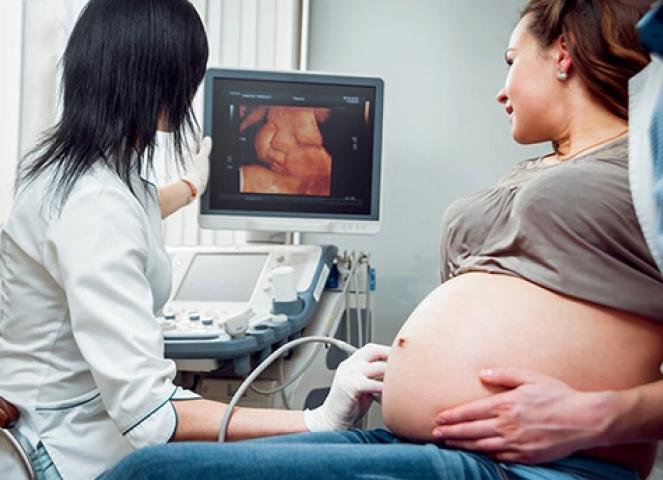
Pregnancy: Usually between weeks 24 and 28, or earlier if you're high risk.
Children: Overweight children with risk factors may be tested from around age 10 or when puberty starts.
Whenever symptoms show up: Don't hold out for your next scheduled test.
Prediabetes is a warning, not a life sentence. Losing a bit of weight, getting about 150 minutes of exercise a week and cutting back on sugary drinks can make a real difference to your chances of developing diabetes.
Get Everything Checked in One Visit
The Comprehensive Diabetes Screening & Care Package at JTS Medical Centre in Dubai covers all of this in one go. You get:
A consultation with an internal medicine (diabetes) specialist
A diabetes educator session on food, life>
A complimentary continuous glucose monitor (CGM)
Lab tests: CBC, fasting glucose, HbA1c, urea, creatinine, eGFR, AST, ALT, lipid profile, TSH, plus urine microalbumin and creatinine
It works for people already living with diabetes, people at risk, and anyone who just wants a full picture of their metabolic health. Book your appointment or call +971 4 379 9954.
Frequently Asked Questions
Do I need to fast before a diabetes test? For a fasting glucose test, yes. Skip food for 8 to 10 hours, though water is fine. You don't need to fast for an HbA1c test.
Can I have diabetes without symptoms? Yes, and it's common. Many people feel fine for years, which is exactly why regular screening matters.
What is the difference between prediabetes and diabetes? With prediabetes, your sugar is higher than normal but not yet in the diabetes range (HbA1c 5.7–6.4%). Healthy changes can often slow it down or stop it.
How much does diabetes screening cost in Dubai? The JTS Medical Centre package is currently listed at AED 1300. Some insurance plans may cover part of the blood tests if you have symptoms, so check with the insurance desk.
What should I bring to my appointment? Your Emirates ID, health insurance card, past medical records and a list of the medicines you take.
Can children be tested for diabetes? Yes. Children with symptoms or risk factors can be checked.
What if my result is high? Try not to panic. Your doctor will confirm the result, check for complications and work out a plan with you. Acting early makes a big difference.
This article is for general information and is not a substitute for medical advice. Please speak to your doctor about your own health.