
The Fluoroelastomer Price
Trend in Q2 2026 showed a steady upward movement across major global
markets, with India recording a stronger increase than the United States,
Europe, and several Asian markets.
Rising feedstock costs, geopolitical
tensions, higher shipping expenses, and stable demand from automotive and
industrial sectors influenced market conditions during the quarter.
While export prices increased moderately
in most major producing countries, import-dependent markets experienced greater
cost pressure. By June 2026, several regions showed slight price corrections,
although India continued to face rising import costs.
Fluoroelastomers, commonly known as FKM,
are special synthetic rubber materials used in applications that require
resistance to heat, chemicals, oils, and demanding operating conditions.
These materials are widely used in
automotive components, industrial seals, aerospace equipment, chemical
processing systems, and other applications where ordinary rubber may not
perform well.
Because of their specialised properties,
fluoroelastomers are generally more expensive than conventional rubber
materials.
Their prices depend on production costs,
the availability of suitable raw materials, manufacturing conditions,
international trade, and demand from important end-use industries.
The second quarter of 2026 highlighted
how international supply disruptions can influence prices even when demand and
production remain relatively stable.
👉👉👉Please submit your query to get FKM Price Trend, forecast and market
price analysis: https://www.price-watch.ai/book-a-demo/
Global Fluoroelastomer Market Overview
in Q2 2026
The global FKM market experienced
moderate price increases during Q2 2026. The escalation of the US-Iran conflict
and disruptions around the Strait of Hormuz created concerns about energy
supplies, petrochemical feedstocks, and international shipping. These
developments increased uncertainty across the wider chemical industry and
contributed to higher procurement and transportation costs.
Ethylene supply disruptions added
pressure to upstream petrochemical costs. Although FKM production involves
specialised fluorochemical chemistry and its pricing cannot be explained by
ethylene alone, changes in energy costs, raw materials, and logistics can
influence the overall manufacturing cost structure.
At the same time, demand remained
relatively firm. Automotive manufacturers continued to require durable sealing
materials, while industrial machinery, aerospace applications, and other
specialised sectors maintained their need for high-performance rubber products.
This combination of stable demand and
higher costs supported price increases across most of the markets covered
during the quarter.
However, the size of the increase
differed by region. Export prices in the United States, the Netherlands, Japan,
and China rose by around 2–3%, while import prices in India increased by 10%.
Vietnam and Indonesia recorded comparatively limited movements, reflecting
their different sourcing arrangements and supply conditions.
Fluoroelastomer Prices in the United
States
In the United States, FKM export prices
increased by 3% during Q2 2026 for terpolymer grade with an MV 60
specification, on an FOB Houston basis.
The market remained relatively balanced
throughout the quarter. Demand from automotive and industrial applications
continued to support sales, while domestic producers maintained generally
stable production levels. This helped prevent a major supply shortage despite
uncertainty in the wider petrochemical market.
The conflict in the Middle East and
disruptions around the Strait of Hormuz contributed to concerns about feedstock
availability and energy-related costs. Freight expenses also remained slightly
elevated, adding pressure to international trade.
Despite these challenges, the US market
did not experience the same level of price pressure as some import-dependent
regions. Domestic supply availability and consistent export activity helped
limit the increase.
In June 2026, US FKM prices
declined by 1%. This small correction suggested that cost pressures had eased
slightly while demand and export conditions remained stable.
The overall US market therefore showed a
moderate quarterly increase followed by a minor decline toward the end of the
period.
Fluoroelastomer Prices in the
Netherlands
The Netherlands recorded a 2% increase
in FKM export prices during Q2 2026 for terpolymer grade MV 68, based on FOB
Rotterdam terms.
European market conditions remained
comparatively stable. Demand from automotive manufacturers, industrial
machinery producers, and specialised equipment suppliers supported regular
purchasing activity.
However, manufacturers continued to
monitor energy costs, raw material expenses, and transportation charges.
Uncertainty surrounding international energy supplies contributed to cost
concerns, even though the European market did not experience significant supply
shortages during the quarter.
Stable production and consistent export
flows helped limit price volatility. Buyers continued to receive material,
allowing the market to avoid a sharper increase.
In June 2026, prices declined by 1% as
cost pressures eased slightly and supply conditions remained balanced.
The Netherlands demonstrated that a
market can experience modest price growth without facing a major shortage.
Stable production, predictable demand, and reliable trade flows helped keep the
quarterly movement relatively small.
Fluoroelastomer Prices in Japan
Japan's FKM export prices increased by
3% in Q2 2026 for copolymer grade MV 53 on an FOB Tokyo basis.
Demand from automotive, electronics, and
other high-performance industrial applications remained steady. These
industries require materials that can withstand heat, oils, chemicals, and
demanding operating environments, making fluoroelastomers important for
specialised components.
The supply situation remained
manageable, with manufacturers maintaining consistent production. However,
changes in international energy markets and petrochemical feedstock costs
continued to influence production planning.
Japanese exporters also had to consider
international freight expenses and changing procurement costs. Even so,
sufficient material availability and stable demand helped prevent a major
market imbalance.
In June 2026, FKM prices in Japan
declined by 1%. The correction was limited and reflected slightly improved
supply conditions alongside stable demand.
The Japanese market therefore
experienced a moderate quarterly increase followed by a small adjustment. Its
performance showed how steady industrial demand can support prices without
necessarily producing sharp increases.
Fluoroelastomer Prices in China
China recorded a 3% increase in FKM
export prices during Q2 2026 for copolymer grade MV 65 on an FOB Shanghai
basis.
The market benefited from consistent
domestic consumption and export demand. Automotive production and industrial
manufacturing continued to support demand for specialised rubber materials,
while local manufacturers maintained stable production activity.
International supply disruptions created
additional uncertainty around feedstock costs and transportation. The conflict
in the Middle East and the situation around the Strait of Hormuz affected
expectations for energy and petrochemical supply chains, contributing to upward
cost pressure.
Nevertheless, Chinese manufacturers
retained sufficient supply to meet much of the ongoing demand. This helped
maintain export competitiveness despite rising expenses.
In June 2026, FKM export prices in China
declined by 1%. The reduction was relatively small and indicated a limited
correction after the earlier increase.
China's performance also influenced
import-dependent markets because it remained an important source of FKM for
buyers across Asia. Changes in Chinese export prices, freight costs, and
product availability directly affected the landed cost faced by overseas
purchasers.
Fluoroelastomer Prices in India
India recorded the strongest increase
among the markets covered in Q2 2026. Import prices for Chinese copolymer grade
MV 65 rose by 10% on a CIF Nhava Sheva basis.
The increase reflected higher import
costs, continued demand, and India's dependence on international suppliers for
specialised FKM grades. When overseas prices rise, Indian buyers can also face
additional pressure from freight charges, insurance expenses, currency
movements, and changes in shipment availability.
Demand from automotive manufacturers and
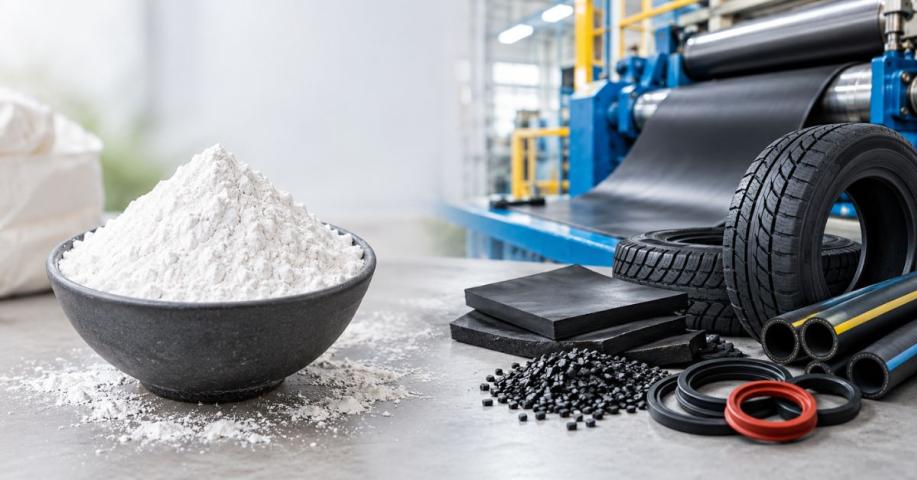
industrial sealing applications remained stable. FKM is used in applications
such as oil seals, O-rings, gaskets, fuel-system components, and other parts
that need to perform under demanding conditions.
For buyers, replacing FKM with a
lower-cost material is not always practical. Product performance, temperature
resistance, chemical compatibility, and equipment safety often determine which
material can be used. As a result, many purchasers continue buying the required
grade even when prices increase.
The rise in international procurement
expenses during the quarter placed additional pressure on Indian importers.
Some buyers may respond by reviewing inventory levels, negotiating longer-term
contracts, or comparing alternative suppliers where technically suitable.
In June 2026, FKM import prices in India
increased by a further 2%. This contrasted with the small declines recorded in
several export markets.
The Indian market's performance
highlights the difference between export prices and landed import costs. Even
when prices in a supplying country begin to ease, freight expenses, earlier
purchasing commitments, and other import-related costs can keep local prices
elevated.
Fluoroelastomer Prices in Vietnam
Vietnam's FKM import prices increased by
3% during Q2 2026 for Chinese copolymer grade MV 65 on a CIF Haiphong basis.
Demand from manufacturing and industrial
sectors remained steady. Regular imports from China supported material
availability, helping buyers maintain procurement activity without experiencing
the stronger price pressure seen in India.
International feedstock and shipping
developments still affected the market. However, the overall impact remained
moderate, and the availability of imported material helped limit fluctuations.
In June 2026, prices remained unchanged.
This stability indicated that supply and demand were relatively balanced during
the month.
Vietnam's experience shows that access
to consistent imports can help reduce price volatility. Nevertheless, buyers
remain exposed to changes in supplier prices, freight costs, and regional trade
conditions.
Fluoroelastomer Prices in Indonesia
Indonesia recorded a 1% increase in FKM
import prices during Q2 2026 for US-origin terpolymer grade MV 60 on a CIF
Jakarta basis.
The market remained comparatively
stable, supported by consistent demand from automotive and industrial users.
Import shipments continued to meet purchasing requirements, and material
availability remained sufficient.
Although international supply concerns
affected the broader petrochemical market, their impact on Indonesian prices
was limited during the quarter. Importers still faced some pressure from
logistics expenses, but there was no major imbalance between available material
and demand.
In June 2026, FKM prices in Indonesia
declined by 1%. The reduction reflected a small correction in import costs
while supply conditions remained steady.
Compared with India, Indonesia
experienced a much smaller quarterly increase. Differences in product grade,
country of origin, freight arrangements, and purchasing conditions help explain
why prices do not move uniformly across markets.
What Influenced the Global FKM Price
Trend?
Several factors played an important role
in shaping the market during Q2 2026.
1. Raw Material and Energy Costs
Fluoroelastomer production depends on
specialised fluorochemical inputs, processing requirements, and
energy-intensive manufacturing operations. Changes in energy prices and
upstream chemical costs can affect production expenses.
Geopolitical tensions and supply
disruptions around the Strait of Hormuz increased uncertainty across energy and
petrochemical markets. Ethylene disruptions contributed to broader cost
concerns, although the direct effect on FKM varied according to the production
process, grade, and sourcing arrangement.
2. International Shipping and Freight
Expenses
Transportation is particularly important
for buyers who rely on imported speciality materials. Changes in freight rates,
insurance premiums, shipping routes, and delivery schedules can raise the final
cost of a product.
This factor was especially relevant in
India, where import prices increased more sharply than export prices in several
supplying markets.
3. Demand from Automotive and Industrial
Sectors
Automotive and industrial users
continued to support demand for FKM. The material's resistance to heat, oils,
and chemicals makes it valuable in applications where product failure can
result in high maintenance costs or operational problems.
Stable demand helped manufacturers
maintain sales and limited the extent of price corrections toward the end of
the quarter.
4. Regional Supply and Import Dependence
Markets with stable domestic production
or reliable supply arrangements experienced smaller price movements.
Import-dependent buyers faced additional exposure to foreign prices, freight,
and sourcing conditions.
This difference was clear when comparing
India's 10% quarterly increase with the 1–3% increases recorded in the other
markets covered.
5. Product Grade and Purchasing
Conditions
FKM is available in different polymer
types and grades, each designed for particular performance requirements.
Terpolymers and copolymers may differ in their properties and applications.
Prices also depend on viscosity
specifications, quality requirements, order volumes, delivery terms, and
contract arrangements. Therefore, market comparisons should use matching grades
and commercial terms wherever possible.
Understanding the Fluoroelastomer Price
Chart and Price Index
The Fluoroelastomer Price Chart provides
a useful way to understand how prices change over time and how different
regions respond to market developments.
For Q2 2026, the overall pattern showed
moderate increases across most export markets and a stronger rise in India. The
small June declines in the United States, the Netherlands, Japan, China, and
Indonesia suggested that some markets were beginning to correct after earlier
increases. Vietnam remained unchanged, while India recorded another increase.
The Fluoroelastomer Price Index helps
readers assess the direction and relative strength of price movements over a
selected period. When reviewed alongside regional pricing data, it can help
procurement teams identify whether costs are rising broadly or whether changes
are concentrated in particular markets.
However, an index should be interpreted
with its underlying methodology in mind. Product grade, location, trade terms,
currency, and the selected reference period can all influence the result. A CIF
import price should not be compared directly with an FOB export price without
considering freight, insurance, and other relevant costs.
For buyers, regularly monitoring the
price chart and index can improve budgeting, supplier discussions, and
purchasing decisions. It also helps distinguish a temporary correction from a
longer-term change in the market.
Fluoroelastomer Price Forecast: What
Could Happen Next?
The outlook for FKM prices will depend
on the direction of raw material costs, international shipping conditions,
manufacturing activity, and demand from important end-use industries.
If geopolitical tensions ease and
shipping routes become more reliable, freight and insurance costs could
moderate. Better supply availability may also reduce the pressure on import
prices, particularly in markets that depend heavily on overseas suppliers.
However, a rapid price decline is not
guaranteed. FKM is a specialised material, and its production costs are
influenced by more than one raw material. Strong demand from automotive,
industrial, aerospace, and chemical-processing applications could continue to
support prices even if some logistics costs decline.
India may remain more sensitive to
changes in import costs than markets with more established domestic supply.
Buyers should therefore monitor supplier quotations, shipment schedules,
exchange rates, and changes in landed costs rather than relying only on
international export prices.
A practical approach is to maintain
clear visibility into inventory requirements, compare quotations for equivalent
grades, and avoid making purchasing decisions based solely on short-term price
movements. Where possible, buyers should also assess supplier reliability and
delivery performance alongside the quoted price.
These factors will help businesses
prepare for different market conditions without assuming that the moderate
corrections observed in June will necessarily continue.
Conclusion
The Fluoroelastomer Price Trend
in Q2 2026 reflected a market influenced by geopolitical uncertainty, higher
procurement and logistics costs, and steady demand from automotive and
industrial applications. Export prices increased by 2–3% in the United States,
the Netherlands, Japan, and China, while Vietnam and Indonesia recorded
moderate movements. India experienced the strongest increase, with import
prices rising by 10% during the quarter and another 2% in June.
The small June corrections in several
exporting countries indicated some easing in market pressure, but the situation
remained different across regions. Import dependence, product specifications,
freight expenses, and supplier availability continued to influence local
prices.
Going forward, businesses should monitor
raw material costs, shipping conditions, demand trends, and regional supply
availability. Following the Fluoroelastomer Price Chart and Fluoroelastomer
Price Index can provide useful guidance for purchasing and budgeting decisions.
A careful understanding of these factors will help buyers manage costs and make
better-informed procurement decisions in an evolving global market.
👉👉👉Please submit your query to get FKM Price Trend, forecast and market
price analysis: https://www.price-watch.ai/book-a-demo/
About
Price Watch™
Price Watch™ is an independent raw material price reporting
agency that provides real-time price forecasts and data-driven insights into
global raw material markets. Price-Watch™ specializes in tracking raw material prices,
analyzing market trends. and delivering timely updates on plant shutdowns,
supply disruptions, capacity expansions, and demand-supply dynamics. The
Price-Watch™ platform empowers manufacturers, traders, and procurement
professionals to make faster, smarter decisions. Leveraging AI-powered
forecasting and over a decade of historical data, Price-Watch™ transforms
market volatility into actionable opportunity.
Futura Tech
Park,
C Block,
8th floor 334,
Old
Mahabalipuram Road,
Sholinganallur,
Chennai,
Tamil Nadu,
Pincode - 600119.
LinkedIn:
https://www.linkedin.com/company/price-watch-ai/
Facebook:
https://www.facebook.com/people/Price-Watch/61568490385598/
Twitter: https://x.com/pricewatchai
Website: https://www.price-watch.ai/