
The insurance industry in India offers several career options for people who want to earn an income while enjoying greater control over their working hours. With increasing awareness of financial protection and the growing demand for insurance products, individuals can explore opportunities that do not always require a traditional office-based job. These opportunities are suitable for freshers, working professionals, entrepreneurs, and people looking for an additional source of income.
One such option is becoming an insurance pos professional, commonly associated with a Point of Sales Person (POSP) role. This model allows eligible individuals to sell permitted insurance products through an authorised insurance intermediary after completing the required training and registration. It offers an opportunity to develop customer service skills, build professional relationships, and explore a flexible career in the insurance sector.
What Is an Insurance POS Professional?
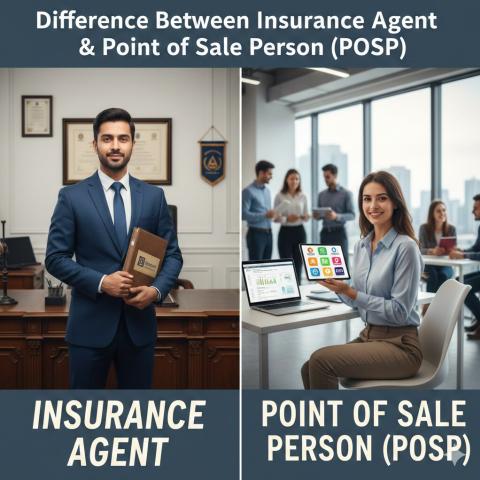
An insurance POS professional helps customers understand and purchase eligible insurance products. Depending on the authorisation and products available through the associated intermediary, the role may involve offering motor, health, and other permitted insurance policies.
Unlike many conventional jobs, this opportunity may allow individuals to work independently, connect with customers through digital channels, and organise their daily activities around their availability. However, flexibility depends on customer requirements, business targets, the intermediary's policies, and applicable regulatory conditions.
The primary responsibility is to help customers make informed insurance decisions rather than simply completing sales. A professional must explain policy coverage, exclusions, premiums, documentation requirements, and other relevant terms accurately.
Why Is Insurance POS a Flexible Career Option in India?
Flexible work has become an important consideration for people seeking better control over their professional and personal responsibilities. Insurance POS opportunities can offer a practical way to enter the financial services industry without necessarily following a conventional office schedule.
1. Freedom to Organise Your Schedule
POS professionals may be able to plan customer calls, follow-ups, and policy discussions according to their availability. This can be helpful for individuals who have other commitments or prefer a more independent working arrangement.
For example, a working professional might contact prospective customers during evenings or weekends, subject to the intermediary's requirements. Similarly, a person with a suitable local network could arrange meetings at mutually convenient times.
2. An Opportunity to Earn Additional Income
People who already have jobs, small businesses, or other professional responsibilities may consider insurance POS work as an additional income opportunity, provided their existing employment terms permit it.
Earnings generally depend on completed eligible sales, applicable commission arrangements, customer retention, and the products offered. There is no universal guarantee of income, so individuals should review the compensation structure before registering.
3. Digital Tools for Everyday Activities
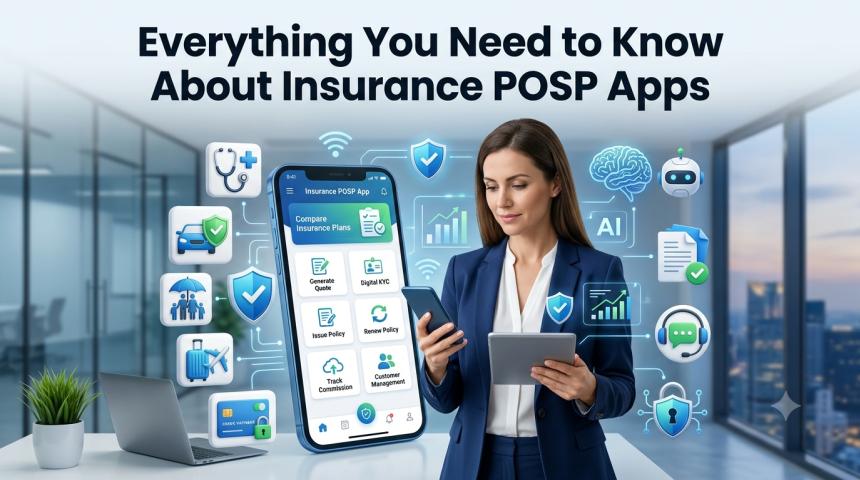
Digital platforms can simplify several parts of the insurance sales process. Depending on the platform provided by the intermediary, POS professionals may be able to access product information, generate quotations, submit customer details, complete application steps, and track policy-related activities online.
These tools can reduce paperwork and help professionals communicate with customers more efficiently. Nevertheless, customer information must be handled responsibly, and all required verification procedures should be followed.
4. Opportunities for Different Experience Levels
An insurance POS role may be suitable for freshers, graduates, sales professionals, small business owners, and individuals exploring a career change. Previous insurance experience can be useful, but the applicable eligibility criteria, training, and authorisation requirements must still be met.
People with experience in customer service, retail, banking, or sales may find their existing communication skills helpful when explaining insurance products.
Who Can Explore Insurance POS Opportunities?
The POSP model can appeal to different groups of people, depending on their interests, eligibility, and ability to serve customers responsibly.
Fresh graduates: Individuals looking to enter the insurance industry can use the role to develop product knowledge and customer-handling skills.
Working professionals: Eligible employees may explore additional earning opportunities if their employment agreements allow outside professional activities.
Entrepreneurs and shop owners: People with established customer relationships may find opportunities to introduce relevant insurance products to interested customers.
Freelancers: Individuals who prefer independent work may appreciate the ability to organise customer interactions around other projects.
People returning to work: Those restarting their careers may consider this route if they meet the required eligibility and training conditions.
Before beginning, applicants should understand the difference between a flexible work arrangement and guaranteed earnings. Building a reliable customer base takes time, effort, and consistent service.
How to Get Started as an Insurance POS Professional
Starting an insurance POS career involves more than signing up on a digital platform. Applicants should understand the requirements and follow the prescribed process.
Step 1: Check Your Eligibility
Review the applicable eligibility criteria, including age, education, identity documentation, and any other requirements established by the relevant intermediary and regulations. Requirements may vary according to the specific role and applicable rules.
Step 2: Choose an Authorised Insurance Intermediary
Identify an intermediary that offers a suitable POSP programme. Check the organisation's registration details, available insurance products, training process, customer support, and compensation terms.
Do not select a programme based only on promotional claims about high earnings or quick registration.
Step 3: Complete the Required Training
Training helps applicants understand insurance fundamentals, product features, customer responsibilities, and ethical sales practices. Complete the applicable training and assessment requirements before offering insurance products.
A sound understanding of policy exclusions, waiting periods where applicable, claim conditions, and premium calculations can help prevent misunderstandings later.
Step 4: Finish Registration and Verification
Submit the required documents and complete identity verification, training, and other prescribed formalities. Start selling only after the relevant authorisation and onboarding requirements have been fulfilled.
Step 5: Learn the Available Products
Understand the products you are permitted to offer. Learn how different policies work, what they cover, what they exclude, and which customer needs they may address.
This knowledge will help you explain options clearly instead of recommending a policy simply because it has a lower premium.
Step 6: Begin Customer Outreach
Start by informing suitable contacts about your services, where appropriate. You can also build professional relationships through local networks, referrals, and permitted digital communication.
Focus on understanding customer requirements and providing accurate information. Avoid unsolicited or misleading claims and follow applicable privacy and marketing requirements.
Insurance Products You May Be Able to Offer
The products available to a POS professional depend on the authorisation granted and the intermediary's arrangements.
Motor insurance: Motor insurance opportunities may involve eligible policies for cars and two-wheelers. Customers may need guidance on third-party cover, own-damage protection, applicable add-ons, and policy renewal.
Health insurance: Health insurance can help customers explore financial protection against eligible medical expenses. Important considerations include waiting periods, exclusions, room-rent limits where applicable, co-payments, and the policy's coverage conditions.
Other permitted products: Additional insurance categories may be available depending on the professional's authorisation and the applicable regulatory framework. Always confirm which products you are permitted to distribute before advising customers.
The objective should be to match suitable products with customer needs while explaining limitations transparently.
Practical Tips for Building a Successful POS Career
A flexible insurance career becomes more sustainable when professionals develop consistent habits and prioritise customer trust.
Create a realistic schedule: Set aside specific hours for customer calls, learning, policy discussions, and follow-ups.
Understand policy details: Review product documents regularly so you can answer questions accurately.
Maintain clear communication: Explain premiums, exclusions, benefits, and important conditions in straightforward language.
Build relationships rather than chasing quick sales: Helpful service can encourage customers to return when they need renewals or further guidance.
Use digital tools carefully: Protect customer documents and personal information, and use only approved systems.
Track your performance: Monitor enquiries, completed sales, follow-ups, and service requests to identify areas for improvement.
Keep learning: Insurance products, customer expectations, and applicable rules can change. Stay informed through authorised training and official updates.
Remember that customer suitability and transparent communication are more valuable in the long run than making promises about benefits that a policy does not provide.
Challenges to Consider Before Choosing This Career
Although insurance POS work can provide flexibility, it also comes with responsibilities and uncertainties.
Income may fluctuate because sales and commissions are not always consistent. Finding customers can take time, especially for beginners who do not have an established professional network. Customers may also require assistance with documentation, renewals, and policy-related questions after the initial sale.
In addition, applicants must understand their contractual obligations, product limitations, data-protection responsibilities, and the rules governing insurance distribution. Flexible working hours do not eliminate these obligations.
Before committing, review any applicable fees, training conditions, payout schedules, termination terms, and support arrangements. A realistic assessment will help you decide whether the opportunity suits your financial goals and working >
How Square Insurance Can Support Your POS Journey
Individuals exploring an insurance POS career can consider Square Insurance as one option for understanding available onboarding and insurance distribution opportunities. Before registering, review the programme's eligibility criteria, training requirements, product availability, platform features, and applicable commission terms.
A well-structured onboarding process can help new professionals understand the practical steps involved in starting their work. Applicants should also confirm the assistance available for quotations, policy issuance, renewals, and customer queries.
Choose an arrangement that prioritises transparent communication, appropriate authorisation, and reliable customer support. These factors can help you approach the insurance sector with greater confidence and realistic expectations.
Conclusion
Insurance POS opportunities can provide a flexible route into India's insurance industry for eligible individuals who want to develop sales skills, serve customers, and explore an additional or primary source of income. The ability to organise work around personal commitments can be appealing, but success depends on product knowledge, customer trust, consistent effort, and a clear understanding of commission arrangements.
Before getting started, compare available programmes, complete the required training, and verify all applicable registration and authorisation requirements. With a customer-focused approach, Square Insurance can be considered as part of your search for a suitable insurance POS opportunity. Make an informed decision based on your goals, available time, and willingness to build long-term professional relationships.
Frequently Asked Questions
Q1. What is an insurance POS professional in India?
An insurance POS professional is an individual authorised to distribute eligible insurance products through an approved intermediary after meeting the applicable training, registration, and other requirements.
Q2. Can I work as an insurance POS professional part-time?
Part-time work may be possible depending on the intermediary's terms, your availability, and any restrictions under your existing employment agreement.
Q3. Can freshers become insurance POS professionals?
Yes, eligible freshers can explore this opportunity by meeting the applicable criteria and completing the required training and registration process.
Q4. How do insurance POS professionals earn money?
Earnings generally depend on eligible policy sales and the applicable commission arrangement. Actual income varies, and there is no guarantee of a fixed amount.