The BOPP
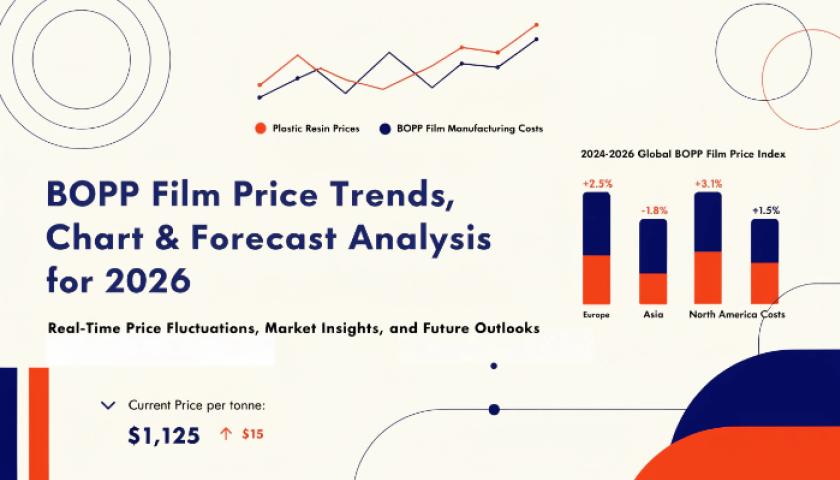
Film Price Trend showed a strong upward movement across major global
markets during the second quarter of 2026. Higher polypropylene costs, elevated
crude oil prices, rising freight charges, and supply disruptions affected
prices in both domestic and international markets.
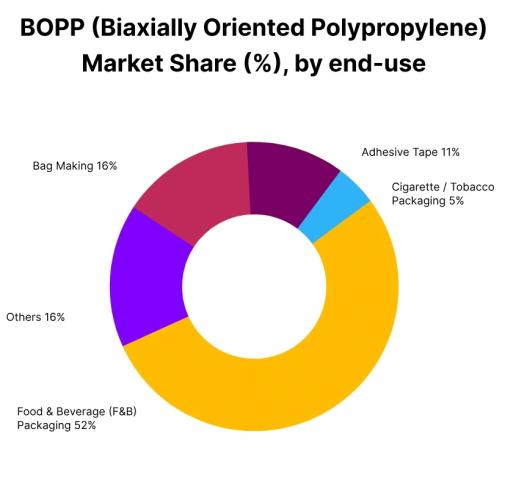
Biaxially Oriented Polypropylene (BOPP)
film is widely used in food packaging, consumer goods, labels, adhesive tapes,
tobacco packaging, and other industrial applications. As a result, changes in
its production costs have a direct impact on packaging manufacturers and
buyers.
During Q2 2026, geopolitical tensions in
the Middle East created uncertainty around international shipping routes.
Concerns about disruptions near the Strait of Hormuz affected energy markets
and increased transportation costs for many traded materials.
These developments added pressure to
polypropylene prices, which are an important part of BOPP film manufacturing
costs. At the same time, packaging demand remained steady across several major
markets, encouraging buyers to continue purchasing material despite higher
prices.
👉👉👉Please submit your query to get BOPP
Film Price
Trend, forecast and market price analysis: https://www.price-watch.ai/book-a-demo/
The BOPP Film Prices increased
across India, China, the United States, Mexico, Kenya, Nigeria, Vietnam,
Malaysia, and the United Kingdom. Quarterly price increases ranged from around
19% in the United Kingdom to 25% in China, Vietnam, and Malaysia.
Although shipping conditions gradually
improved toward the end of June, prices remained firm because feedstock costs
and supplier quotations were still elevated compared with the first quarter.
Global BOPP Film Market Overview in Q2
2026
The global BOPP film market experienced
a noticeable change during Q2 2026. At the beginning of the quarter, rising raw
material costs and uncertainty around energy supplies created pressure on
producers. As the quarter progressed, higher freight charges and concerns about
shipping delays further increased the cost of moving finished film between
countries.
Polypropylene is the primary raw
material used to manufacture BOPP film. When polypropylene prices rise,
manufacturers often face higher production expenses. These expenses can include
raw materials, energy, processing, packaging, and transportation. Producers may
respond by increasing their selling prices to protect profit margins.
Demand also played an important role in
the market's performance. Food packaging companies continued to require BOPP
film for snack packets, confectionery wrappers, bakery products, and other
flexible packaging applications. Demand from personal care products, consumer
goods, labeling, and adhesive tape manufacturers also supported regular
purchases.
However, higher prices made buyers more
careful about inventory management. Some converters preferred to purchase
material according to their immediate production requirements rather than build
large inventories. Others replenished stocks to reduce the risk of future
shortages or further price increases. This combination of steady consumption,
higher production costs, and cautious buying contributed to the upward market
movement.
BOPP Film Price Chart: Understanding the
Quarterly Increase
The BOPP Film Price Chart for Q2
2026 reflects a broad increase across the major markets covered in the supplied
market assessment. The quarterly gains were particularly strong in China,
Vietnam, and Malaysia, where prices increased by approximately 25%.
India recorded an increase of 23%, while
prices in the United States rose by 24%. Mexico and Nigeria experienced
increases of around 20%, and Kenya recorded a gain of 21%. In the United
Kingdom, imported prices increased by approximately 19%.
These figures show that the price
movement was not limited to one country. Both domestic markets and
import-dependent destinations experienced higher costs. However, the reasons
behind the increases differed slightly depending on the origin of the material,
freight expenses, and local demand.
For importing countries, the final
purchase cost depended on more than the price of the film itself. Export
quotations, shipping charges, insurance, handling, and other import-related
expenses influenced the landed price. Therefore, two markets importing similar
grades of BOPP film could experience different price movements during the same
period.
The quarterly increases also continued
into June, although the pace of movement varied by destination. Improving
shipping conditions helped reduce some logistical pressure, but higher
feedstock costs continued to support supplier offers.
BOPP Film Price Trend in India
India recorded a 23% increase in BOPP
film prices during Q2 2026. The assessment covered domestically traded
heat-sealable film in the 25–30 micron range, corona treated, on an ex-Nashik
basis.
The main reason behind the increase was
the rise in domestic polypropylene prices. Since polypropylene is the primary
raw material for BOPP film, higher feedstock costs increased the financial
burden on manufacturers. Producers adjusted their selling prices as they
attempted to manage rising production expenses.
Demand from food packaging, fast-moving
consumer goods, labeling, and adhesive tape manufacturers also supported the
market. These industries use BOPP film regularly, making consistent supplies
important for their daily operations. Even when prices increased, many
converters continued purchasing material to meet their production schedules.
Manufacturers also benefited from steady
domestic consumption and disciplined operating rates. These conditions helped
maintain a firm market despite uncertainty in international logistics.
In June 2026, BOPP film prices in India
increased by a further 3%. Although concerns about shipping disruptions began
to ease, polypropylene costs remained high compared with Q1 levels. This
prevented a significant reduction in domestic selling prices.
For Indian packaging businesses, the
increase highlighted the importance of monitoring raw material costs, supplier
quotations, and inventory requirements together rather than treating them as
separate purchasing decisions.
BOPP Film Price Trend in China
China recorded a 25% increase in BOPP
film prices during Q2 2026, placing it among the strongest-performing markets
in the assessment. The market covered domestically traded thick light film used
in tape applications, on an FOB Shanghai basis.
Higher polypropylene prices played a
major role in this movement. Elevated crude oil and propylene values during
much of the quarter added pressure to production costs. Manufacturers responded
to these conditions by maintaining firm selling prices.
Demand from food packaging, labeling,
adhesive tape, and export packaging applications remained supportive. Chinese
producers continued supplying domestic customers while also serving overseas
buyers looking to replenish inventories.
Export demand was particularly important
because uncertainty in international markets encouraged some buyers to secure
additional material. At the same time, disciplined operating rates helped
producers balance supply with market demand.
In June, BOPP film prices in China
increased by another 3%. Improving shipping conditions reduced some logistical
concerns, but feedstock costs remained elevated. As a result, the market
continued to show a firm price trend toward the end of the quarter.
BOPP Film Price Trend in the United
States
The United States recorded a 24%
increase in imported BOPP film prices during Q2 2026. The assessment covered
heat-sealable, corona-treated film in the 25–30 micron range, imported from
India on a CIF Houston basis.
Higher Indian export offers were a major
factor behind the increase. Rising polypropylene costs in India pushed up
supplier quotations, while higher ocean freight charges increased the cost of
delivering material to the United States.
Demand from food packaging, labeling,
tobacco packaging, and industrial applications remained healthy. These
industries depend on a steady supply of packaging materials, so importers
continued purchasing despite higher landed costs.
Some buyers also replenished inventories
to reduce the risk of supply interruptions. However, rising import prices made
purchasing decisions more sensitive to freight movements and supplier offers.
In June 2026, prices increased by a
further 1%. This was a smaller monthly gain than in several other markets,
partly because improving shipping conditions moderated the pace of increases.
Nevertheless, firm Indian export quotations kept the overall import market
elevated.
BOPP Film Price Trend in Mexico
Mexico recorded a 20% increase in
imported BOPP film prices during Q2 2026. The assessment covered 18-micron
matte, non-heat-sealable film imported from India on a CIF Manzanillo basis.
Higher Indian export prices and
increased freight expenses raised landed costs for Mexican buyers. The rise in
polypropylene prices also affected the quotations offered by suppliers.
Demand from food packaging, consumer
goods, and industrial packaging manufacturers remained healthy. Regular
procurement continued because BOPP film is an important material for flexible
packaging operations.
Importers also had to consider the
possibility of delivery delays when planning their purchases. Maintaining
suitable inventory levels became important for businesses that needed to avoid
interruptions to their production schedules.
In June, prices increased by another 4%.
Continued firm export offers and active procurement supported this movement,
even as international shipping conditions gradually improved.
BOPP Film Price Trend in Kenya
Kenya experienced a 21% increase in BOPP
film prices during Q2 2026. The assessment covered imported heat-sealable,
corona-treated film in the 25–30 micron range, sourced from India on a CIF
Mombasa basis.
Higher polypropylene costs and stronger
Indian supplier quotations increased import prices. Freight expenses during
much of the quarter added further pressure to landed costs.
Demand from food packaging, agricultural
packaging, and consumer goods manufacturers remained healthy. Businesses in
these sectors continued purchasing material to meet their packaging
requirements.
Inventory planning was another important
factor. Importers sought to maintain adequate stocks because shipping
uncertainty can affect delivery schedules and the availability of imported
packaging materials.
In June 2026, BOPP film prices in Kenya
increased by 3%. Indian export offers remained elevated, while gradual
improvements in maritime logistics helped reduce some concerns about
transportation.
BOPP Film Price Trend in Nigeria
Nigeria recorded a 20% increase in
imported BOPP film prices during Q2 2026. The assessment covered heat-sealable,
corona-treated film in the 25–30 micron range, imported from India on a CIF
Apapa basis.
Higher polypropylene prices in India
increased production costs and strengthened export quotations. Elevated freight
charges during most of the quarter also increased the total cost of importing
the material.
Demand from food packaging, personal
care packaging, and consumer goods manufacturers remained resilient. These
applications require regular supplies of flexible packaging, encouraging buyers
to continue procurement even when prices rise.
Importers also focused on replenishing
inventories to reduce the risk of supply interruptions. This helped sustain
purchasing activity during a period of uncertainty in international logistics.
In June, prices increased by a further
3%. Firm supplier quotations continued to support the market, although freight
conditions gradually began to normalize.
BOPP Film Price Trend in Vietnam
Vietnam recorded a 25% increase in
imported BOPP film prices during Q2 2026. The assessment covered 18-micron
light, non-heat-sealable film imported from China on a CIF Haiphong basis.
Higher Chinese polypropylene costs and
increased ocean freight charges contributed to the rise in landed import
prices. Domestic demand from flexible packaging, food processing, and consumer
goods manufacturers remained healthy throughout the quarter.
Importers continued purchasing material
to support their production needs. Some also replenished inventories because
regional supply uncertainty made delivery schedules more difficult to predict.
The strong quarterly increase reflected
the combined effect of higher export quotations and transportation expenses. In
June 2026, prices increased by another 2%. Although freight market conditions
gradually stabilized, firm Chinese export offers continued to support import
prices.
BOPP Film Price Trend in Malaysia
Malaysia also recorded a 25% increase in
imported BOPP film prices during Q2 2026. The assessment covered 18-micron
matte, non-heat-sealable film imported from China on a CIF Port Klang basis.
Higher polypropylene production costs
and firm Chinese supplier quotations were the main factors behind the increase.
Freight expenses also raised the landed cost for Malaysian importers.
Demand from food packaging, personal
care packaging, and industrial converting industries remained stable. This
helped maintain regular purchasing activity despite higher prices.
Buyers continued replenishing
inventories to protect their operations against potential shipping disruptions.
As a result, the market maintained an upward direction throughout the quarter.
In June, prices increased by a further
3%. Chinese export prices remained firm even as international freight
conditions gradually improved, keeping import costs elevated.
BOPP Film Price Trend in the United
Kingdom
The United Kingdom recorded an increase
of approximately 19% in imported BOPP film prices during Q2 2026. The
assessment covered heat-sealable, corona-treated film in the 25–30 micron
range, imported from India on a CIF Felixstowe basis.
Firm Indian export offers were an
important factor in the price increase. Elevated polypropylene feedstock costs
raised production expenses, while consistent demand from food packaging,
labeling, and flexible packaging applications supported procurement.
Packaging manufacturers continued buying
material to maintain production schedules. Balanced supply conditions and
steady consumption helped support the market, although higher prices increased
the importance of careful inventory management.
In June 2026, prices increased by
approximately 3% month-on-month. Continued firm supplier quotations and stable
buying interest supported the increase, while available import inventories
limited some immediate supply pressure.
Main Factors Affecting Global BOPP Film
Prices
Several factors shaped the BOPP film
market during Q2 2026.
1. Rising Polypropylene Costs
Polypropylene is the most important raw
material in BOPP film manufacturing. When its price increases, producers face
higher input costs. These increases can eventually pass through to buyers,
particularly when market demand remains steady.
2. Crude Oil and Energy Prices
Crude oil prices influence several parts
of the petrochemical supply chain. Changes in energy markets can affect the
cost of producing and transporting raw materials. During Q2 2026, elevated
crude oil prices added pressure to the cost structure of polypropylene and
related products.
3. Geopolitical Uncertainty and Shipping
Disruptions
Uncertainty surrounding the Middle East
and shipping routes increased concern about delivery delays and transportation
costs. Higher freight charges affected import-dependent markets, particularly
where buyers relied on supplies from India or China.
4. Steady Packaging Demand
Food products, personal care items,
consumer goods, and industrial products require regular packaging supplies.
Continued demand from these sectors supported procurement even when prices
increased.
5. Inventory Replenishment
Some buyers maintained regular
purchasing activity to avoid shortages. Others purchased more cautiously
because of higher prices. These different buying strategies influenced how
quickly price changes passed through local markets.
6. Producer Operating Rates and Export
Offers
Manufacturers balanced production levels
against costs and demand. Firm export offers from major supplying countries
influenced the landed prices paid by buyers in overseas markets.
BOPP Film Price Index: Q2 2026 Market
Direction
The BOPP Film Price Index
remained on an upward trend across the assessed markets during Q2 2026. The
broad increase reflected a combination of higher feedstock costs, strong
supplier quotations, transportation expenses, and steady demand from packaging
industries.
The quarterly changes also show why
regional comparisons are useful. China, Vietnam, and Malaysia recorded
increases of around 25%, while the United States recorded a 24% gain and India
recorded a 23% increase. Kenya rose by 21%, Mexico and Nigeria by 20%, and the
United Kingdom by approximately 19%.
These percentage changes describe the
reported price movement in each market; they do not mean that the absolute
prices were the same. Product specifications, trade terms, freight costs, and
local market conditions differed by location.
June brought another round of price
increases across all the markets covered in the assessment. The monthly gains
ranged from 1% in the United States to 4% in Mexico. The continued increases
suggest that easing shipping concerns did not immediately reverse the effect of
higher raw material costs.
For packaging manufacturers and
procurement teams, tracking the price index alongside feedstock and freight
movements can help explain market changes and improve purchasing decisions.
BOPP Film Price Forecast: What Could
Happen Next?
The outlook for BOPP film prices will
depend on the direction of polypropylene costs, crude oil prices, shipping
expenses, and packaging demand.
If polypropylene prices remain elevated,
manufacturers may continue offering material at firm prices. This could keep
pressure on packaging converters, particularly those that depend on imported
film or operate with limited inventory.
If shipping conditions improve further
and freight costs decline, importers may experience some relief in landed
costs. However, lower freight expenses alone may not be enough to reduce final
prices if raw material costs and supplier quotations remain high.
Demand will also influence the market
direction. Steady consumption from food packaging, consumer goods, labeling,
and adhesive tape manufacturers could support prices. On the other hand, if
buyers reduce inventory levels or delay purchases because of high costs, market
activity may become more cautious.
Regional differences are likely to
remain important. Import-dependent markets will continue to be influenced by
supplier quotations and transportation expenses, while domestic producers will
be more directly exposed to local polypropylene prices and operating costs.
Businesses should therefore avoid
relying on a single indicator when planning purchases. Monitoring feedstock
prices, freight conditions, supplier offers, and actual consumption together
can provide a more balanced view of the market.
Conclusion
The global BOPP Film Price Trend during
Q2 2026 was marked by strong increases across domestic and import markets.
Higher polypropylene costs, elevated crude oil prices, geopolitical
uncertainty, and increased freight expenses contributed to the upward movement.
Steady demand from food packaging, consumer goods, labeling, and industrial
applications helped maintain market support throughout the quarter.
China, Vietnam, and Malaysia recorded
some of the strongest quarterly increases at around 25%, followed by the United
States at 24% and India at 23%. Mexico and Nigeria increased by 20%, Kenya by
21%, and the United Kingdom by approximately 19%. Prices continued to rise in
June, although the monthly increases varied across regions.
Looking ahead, the direction of BOPP
film prices will depend on whether feedstock costs remain high or begin to
ease, how international shipping conditions develop, and whether packaging
demand stays steady. For manufacturers, converters, and importers, regular
monitoring of market developments will remain important for managing purchasing
costs and maintaining reliable supplies.
👉👉👉Please submit your query to get BOPP
Film Price
Trend, forecast and market price analysis: https://www.price-watch.ai/book-a-demo/
About
Price Watch™
Price Watch™ is an independent raw material price reporting
agency that provides real-time price forecasts and data-driven insights into
global raw material markets. Price-Watch™ specializes in tracking raw material
prices, analyzing market trends. and delivering timely updates on plant
shutdowns, supply disruptions, capacity expansions, and demand-supply dynamics.
The Price-Watch™ platform empowers manufacturers, traders, and procurement
professionals to make faster, smarter decisions. Leveraging AI-powered
forecasting and over a decade of historical data, Price-Watch™ transforms
market volatility into actionable opportunity.
Futura Tech
Park,
C Block,
8th floor 334,
Old
Mahabalipuram Road,
Sholinganallur,
Chennai,
Tamil Nadu,
Pincode - 600119.
LinkedIn:
https://www.linkedin.com/company/price-watch-ai/
Facebook:
https://www.facebook.com/people/Price-Watch/61568490385598/
Twitter: https://x.com/pricewatchai
Website: https://www.price-watch.ai/