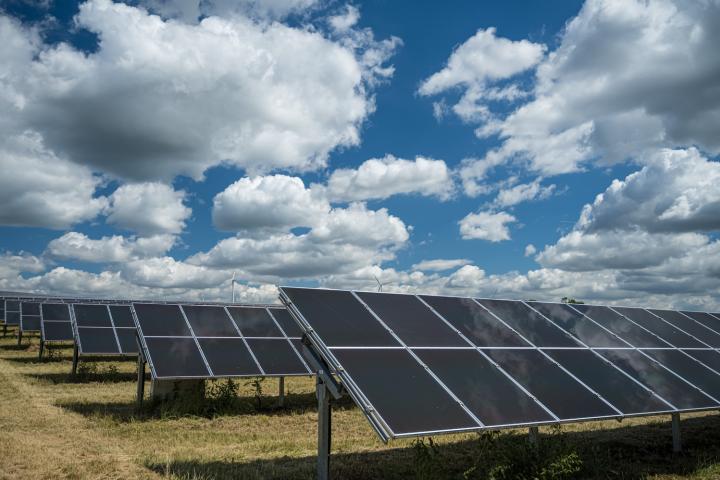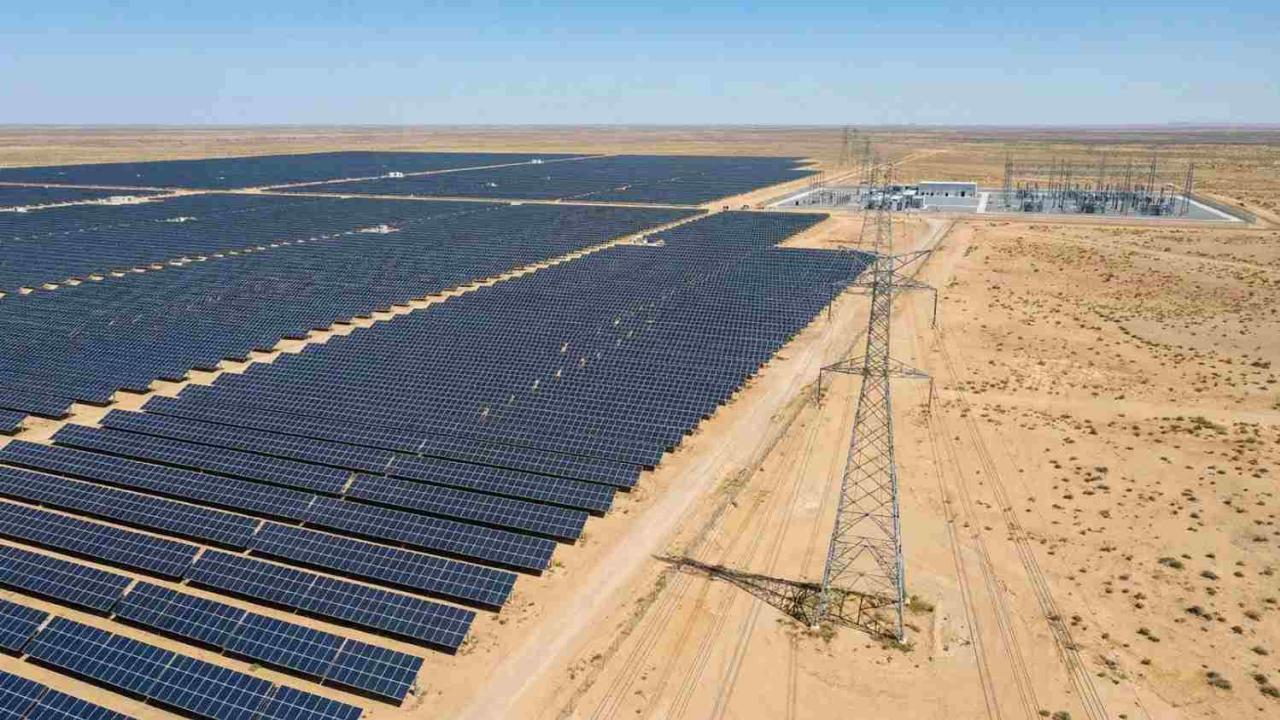

India’s utility-scale solar sector is expanding as developers invest in large photovoltaic projects to meet rising electricity demand and clean energy targets. However, delivering a successful solar project involves much more than installing solar panels. Developers must coordinate site development, electrical design, equipment procurement, transmission connectivity, construction, testing, and commissioning within defined technical and commercial requirements.
For solar epc companies, these activities present interconnected engineering challenges. Poor site planning can affect construction schedules, inadequate evacuation infrastructure can restrict grid connectivity, and incorrect equipment selection can create operational and maintenance issues.
Addressing these challenges requires an integrated approach that combines engineering expertise, project planning, quality control, and coordination with grid infrastructure teams.
Key Takeaways
- Conduct site assessments and feasibility studies before finalising engineering designs.
- Optimise solar plant layouts, electrical systems, and equipment specifications.
- Plan transmission and substation infrastructure alongside generation capacity.
- Integrate protection systems, switchgear, and SCADA for effective monitoring.
- Strengthen procurement, construction quality, testing, and commissioning.
- Evaluate EPC partners on technical capabilities, project experience, and execution capacity.
1. Site Assessment and Feasibility Planning
Site selection is one of the first major engineering challenges in a utility-scale solar project. Land availability alone does not determine whether a location is suitable. Developers must assess solar irradiation, topography, soil conditions, drainage, accessibility, environmental constraints, and proximity to grid connectivity points.
Poorly planned drainage can increase the risk of waterlogging, while unsuitable soil conditions may affect foundation design and mounting structures. Long distances between the solar plant and grid connection point can also increase evacuation infrastructure requirements.
How EPC companies can address this challenge:
- Conduct detailed topographical and geotechnical surveys.
- Analyse solar resource data and site-specific weather conditions.
- Plan internal roads, drainage, cable routes, and equipment locations.
- Assess land access and transmission right-of-way requirements.
- Identify regulatory and grid-connectivity constraints early.
For epc solar companies, integrating these assessments into the initial engineering stage helps reduce avoidable design changes and construction delays.
2. Optimising Solar Plant Design and Energy Generation
A utility-scale solar plant must be designed to generate energy efficiently while meeting safety, reliability, and project cost requirements.
Engineering teams must determine the appropriate module configuration, inverter capacity, DC-to-AC ratio, mounting structure, cable sizing, and plant layout. These decisions influence energy yield, electrical losses, land utilisation, and maintenance access.
Designers must also account for high temperatures, dust accumulation, wind loading, shading, and other site-specific factors.
Practical engineering measures include:
- Use site-specific energy-yield simulations.
- Optimise module orientation and row spacing.
- Select inverters and modules based on project requirements.
- Calculate DC and AC cable sizes using applicable design criteria.
- Incorporate earthing, lightning protection, and fire-safety provisions.
- Provide safe access for inspection and maintenance.
The goal is to develop a design that balances energy production, equipment performance, safety, and lifecycle costs.
3. Managing Grid Connectivity and Power Evacuation
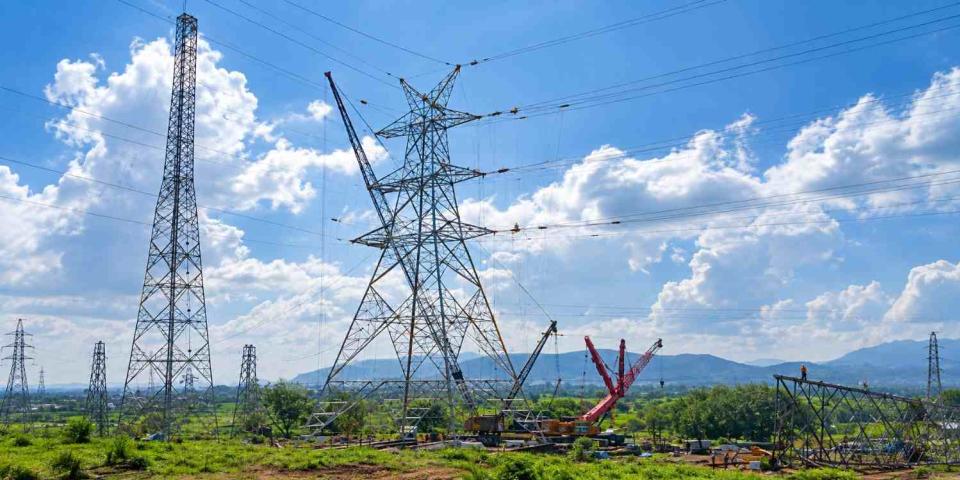
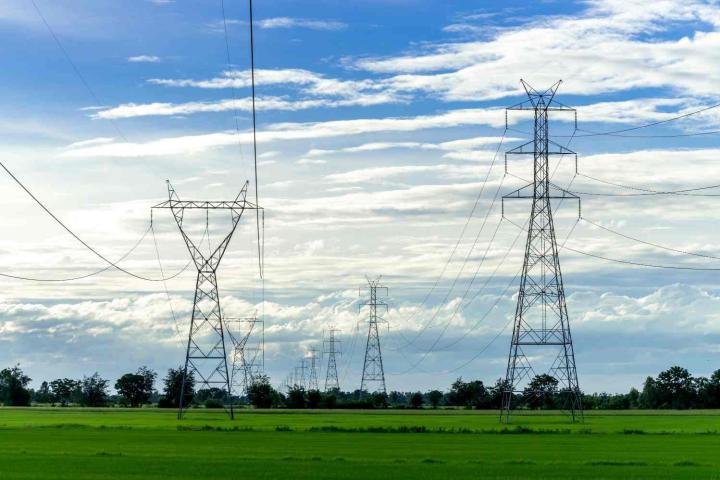
One of the most important challenges in utility-scale solar development is ensuring that generated electricity can be transferred to the grid.
A project may have sufficient generation capacity, but delays in transmission lines, pooling substations, bay availability, or grid approvals can affect its ability to connect and operate as planned.
This is why transmission planning should begin alongside solar plant design rather than being treated as a separate activity near project completion.
How EPC companies can address this challenge:
- Identify the proposed grid connection point during feasibility planning.
- Coordinate with the relevant transmission utility and system operator.
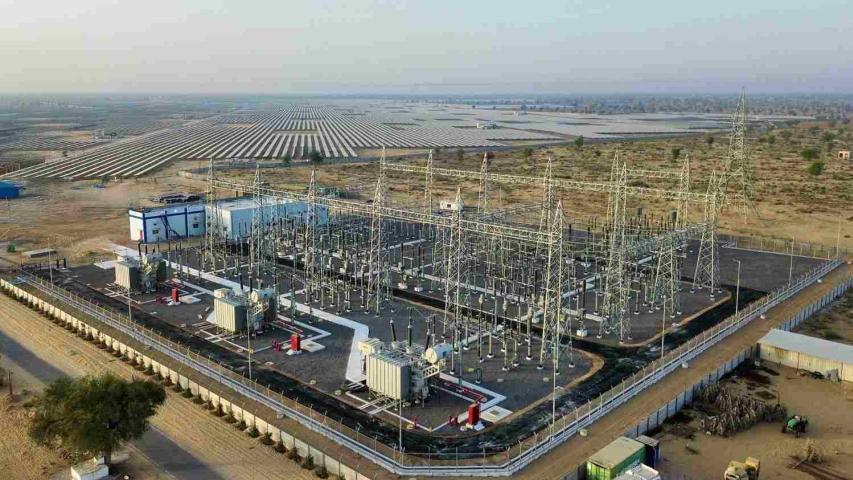
- Assess evacuation capacity and substation requirements.
- Plan transmission lines, switchyards, transformers, and associated protection.
- Coordinate equipment delivery and construction schedules.
- Complete required testing and grid-compliance checks before energisation.
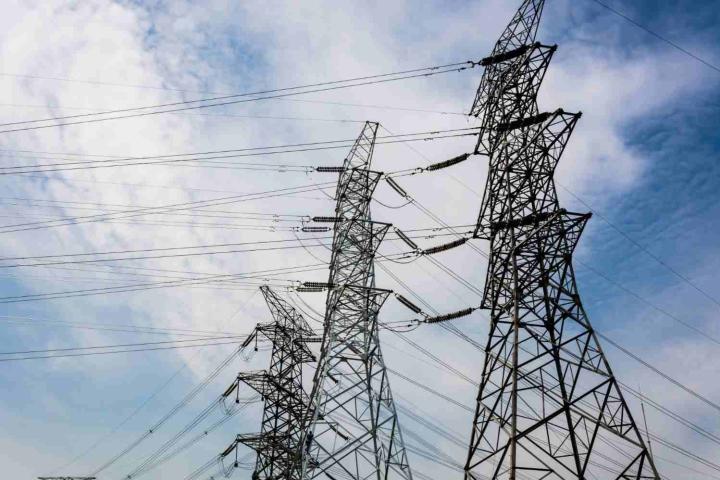
Hartek's Power Systems business reports more than 400 EHV/HV substation and turnkey projects, with capabilities extending up to 765 kV. This illustrates the importance of transmission and substation expertise in projects that require integrated generation and grid infrastructure. (Hartek Power Systems)
4. Selecting the Right Electrical Equipment
Equipment selection affects electrical safety, system performance, maintainability, and long-term operating costs. Specifications must account for rated voltage, current, fault levels, environmental conditions, protection requirements, and applicable standards.
A medium voltage switchboard supports switching and protection in medium-voltage networks, while a medium voltage panel can accommodate project-specific distribution and control requirements.
At the low-voltage level, low voltage switchboard manufacturers supply equipment for auxiliary loads and distribution systems. An lv switchgear panel may support switching, isolation, and protection for suitable low-voltage applications.
A packaged transformer substation can integrate a transformer with associated MV and LV equipment in a compact configuration, depending on the project's technical requirements.
Best practices for equipment selection:
- Prepare detailed technical specifications.
- Verify equipment ratings against system studies.
- Assess quality documentation and applicable certifications.
- Check environmental suitability and maintenance access.
- Coordinate equipment interfaces before procurement.
- Plan for spares, replacement requirements, and future expansion.
5. Strengthening Protection and Control Systems
Solar plants and their associated substations require coordinated protection systems to identify faults and support safe electrical operation.
A relay control panel houses equipment used for protection, control, indication, and associated functions. Similarly, a control and relay panel is designed to meet specific substation protection and control requirements.
Experienced control relay panel manufacturers in india can engineer panels according to project specifications, communication interfaces, and protection schemes.
A control and relay panel in substation may support circuit-breaker control, protection relays, alarms, metering interfaces, and equipment-status indications. For applicable 132 kV installations, a 132 kv control relay panel can form part of the substation's protection and control architecture.
These systems must be coordinated with transformers, circuit breakers, instrument transformers, transmission equipment, and the grid's protection requirements.
6. Integrating SCADA and Digital Monitoring
Large solar plants contain numerous electrical assets spread across extensive areas. Monitoring these assets manually can limit operational visibility and delay fault identification.
A scada system in power system applications collects information from field devices and presents it through a central monitoring platform. A scada control system can support equipment-status monitoring, alarm management, data acquisition, and authorised supervisory control.
A scada based system may integrate information from inverters, transformers, meters, switchgear, weather stations, and protection devices.
The broader application of scada in power systems helps operators assess plant conditions and respond to operational events. However, its effectiveness depends on suitable communication infrastructure, cybersecurity, system integration, and operating procedures.
Hartek lists SCADA & Automation among its Power Distribution Products offerings, alongside MV/LV switchboards, control relay panels, and packaged substations. (Hartek Businesses)
7. Managing Procurement and Construction Risks
Utility-scale solar projects involve large quantities of modules, inverters, cables, structures, transformers, and switchgear. Delays in critical equipment can disrupt construction sequences and affect project milestones.
Procurement planning must therefore align with engineering approvals, supplier capacity, manufacturing lead times, inspection schedules, and site readiness.
Key measures include:
- Finalise specifications before placing major purchase orders.
- Track critical equipment through a procurement schedule.
- Conduct inspections according to approved quality plans.
- Maintain material traceability and installation records.
- Coordinate civil, mechanical, and electrical contractors.
- Monitor progress against project milestones.
- Enforce site safety and quality procedures.
For epc companies in india, strong coordination between engineering, procurement, and construction teams is essential for managing complex projects across multiple work fronts.
8. Ensuring Effective Testing and Commissioning
Testing and commissioning confirm that installed equipment and integrated systems operate according to approved specifications.
Before energisation, project teams should complete the required inspections and tests for PV strings, inverters, transformers, switchgear, cables, earthing, protection relays, communication systems, and grid-interface equipment.
Protection relay testing, interlocking checks, communication verification, and functional testing are particularly important for substations.
A structured commissioning process should include approved test procedures, documented results, resolution of outstanding defects, and the required clearances before commercial operation.
9. Choosing an EPC Partner with Integrated Capabilities
Developers comparing top epc companies in india, top solar epc companies in india, or established solar epc companies should evaluate technical competence alongside project execution experience.
Important selection criteria include:
- Utility-scale solar engineering experience
- Transmission and substation capabilities
- Procurement and project-management systems
- Quality and safety processes
- Testing and commissioning expertise
- SCADA and automation integration
- Grid-connectivity coordination
- Operations and maintenance support
Hartek reports more than 10 GW of solar connected to the national grid and more than 400 EHV/HV substation and turnkey projects. Its business portfolio spans renewable energy, power systems, and power distribution products. (Hartek Group)
Building Utility-Scale Solar Projects for Long-Term Performance
Successful utility-scale solar projects depend on coordinated decisions across site planning, plant design, electrical equipment, grid evacuation, protection, automation, construction, and commissioning.
Addressing these engineering challenges early can reduce avoidable delays, improve coordination, and support the long-term performance of solar assets. Developers should therefore assess EPC partners on their ability to manage the complete project lifecycle, including the infrastructure needed to connect solar generation to the grid.
With capabilities across renewable energy, power systems, and power distribution products, Hartek Group supports infrastructure requirements across multiple stages of the electricity value chain.
CTA: Explore Hartek's Utility-Scale Solar EPC Solutions →
https://hartek.com/solar-epc-land-based/
Frequently Asked Questions
1. What are the main engineering challenges in utility-scale solar projects?
Common challenges include site conditions, solar plant design, equipment selection, power evacuation, regulatory coordination, construction quality, and commissioning.
2. Why is power evacuation planning important?
It ensures that electricity generated by the solar plant can be transferred through the required substations and transmission infrastructure to the grid connection point.
3. How does SCADA support solar plant operations?
SCADA provides centralised monitoring of equipment status, electrical parameters, alarms, and operational data, subject to system design and integration.
4. Why are protection and relay panels required?
They support electrical protection, control, indication, and alarm functions, helping protect equipment and coordinate substation operations.
5. How can developers evaluate solar EPC companies?
Developers should review engineering expertise, relevant project experience, grid infrastructure capabilities, procurement strength, quality processes, safety management, and commissioning support.