Every online connection carries a business decision: how much speed, privacy, control, and security is worth paying for? VPNs and proxies both redirect internet traffic, but they are designed for different operational priorities. For businesses, choosing between them is not simply about hiding an IP address; it involves evaluating data protection, workforce access, performance, scalability, management, and cost.
A VPN can provide broader protection across a device or network, while proxy and VPN services offer different levels of routing and privacy. A free internet VPN can suit basic privacy needs, but understanding these differences helps organisations avoid unnecessary costs or security compromises.
This blog compares VPNs and proxies from a practical business perspective, helping decision-makers identify the right solution for their security requirements, operational workflows, and long-term digital strategy.
How VPNs and Proxies Handle Your Internet Traffic
VPNs and proxies both redirect internet traffic through intermediary servers, but they differ significantly in routing, encryption, privacy protection, and how much of your connection a free VPN connect service can influence.
VPN:
Full Traffic Routing: A VPN typically routes your device’s internet traffic through an encrypted tunnel, protecting data across supported applications and services.
Data Encryption: VPN encryption helps prevent third parties from easily reading intercepted traffic, particularly when using public or untrusted networks.
Device-Wide Protection: Once activated, a VPN generally protects traffic from multiple applications without requiring separate configuration for individual programs.
IP Address Masking: VPN servers replace your visible IP address with their own, making your original network address less visible online.
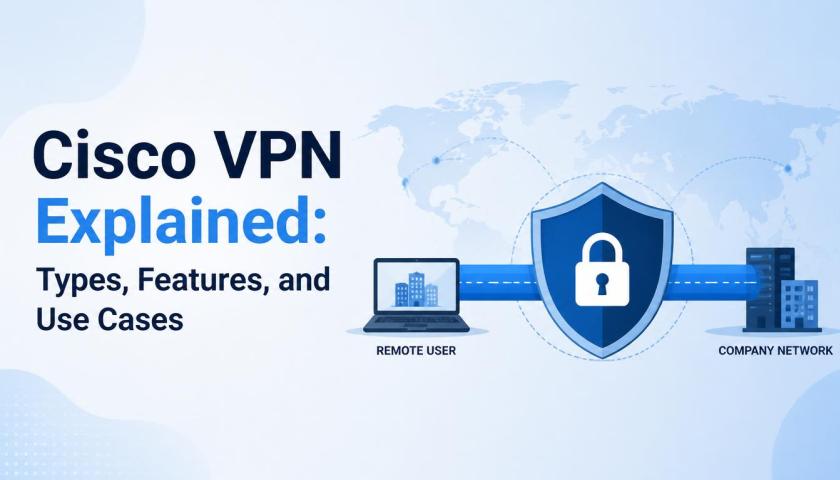
Secure Remote Access: Businesses can use VPNs to establish protected connections between employees, devices, offices, and private organisational resources.
Connection Overhead: Encryption and server routing can introduce additional latency, potentially affecting browsing speed, gaming performance, streaming, or other bandwidth-intensive activities.
Proxy:
Application-Level Routing: A proxy usually handles traffic from a specific application or configured service rather than automatically covering the entire device’s internet connection.
IP Address Masking: Proxy servers can conceal your original IP address from websites or services receiving requests through the intermediary server.
Limited Encryption: Many proxies do not encrypt traffic, meaning sensitive information may remain exposed between your device, proxy, and destination.
Content Filtering: Organisations often use proxies to control website access, enforce browsing policies, monitor traffic, or restrict specific online resources.
Web Scraping Support: Proxies can help distribute requests across different IP addresses, making them useful for legitimate large-scale data collection.
Potential Reliability Issues: Free or overloaded proxies may provide inconsistent speeds, unstable connections, limited server availability, or questionable privacy practices.
Performance, Speed, and Bandwidth: What Actually Matters?
For businesses, speed should not be judged alone. Connection stability, bandwidth, latency, scalability, and operational efficiency determine whether a VPN or proxy delivers practical value.
Factor | VPN | Proxy |
Speed | Generally slower due to encryption | Usually faster for basic routing |
Latency | Higher due to encryption and tunnelling | Often lower |
Bandwidth | Suitable for sustained business traffic | Better for targeted, lighter workloads |
Stability | More consistent with quality providers | Varies significantly by provider |
Scalability | Strong for workforce-wide security | Strong for IP-based, high-volume tasks |
Best Business Fit | Secure remote work and sensitive operations | Web automation, filtering, and data collection |
Business Use Cases: VPNs vs Proxies for Teams and Operations
Businesses should choose based on the operational problem: best VPNs prioritise secure access and workforce protection, while proxies support targeted traffic management and scalable online operations.
VPN Use Cases:
Remote Workforce: Secure employees accessing company systems, files, dashboards, and internal applications from home, travel, or unsecured networks.
Branch Connectivity: Connect geographically distributed offices through protected network tunnels, supporting consistent access to shared organisational resources.
Sensitive Operations: Protect confidential business communications and data when employees use public Wi-Fi or external networks.
Access Control: Restrict internal resources to authorised users and devices, reducing exposure to unauthorised network access.
IT Administration: Provide IT teams with controlled, secure access to internal infrastructure for maintenance, monitoring, and troubleshooting.
Compliance Requirements: Support organisational security policies where protected connections and controlled access are important operational requirements.
Proxy Use Cases:
Web Data Collection: Manage large-scale, legitimate data-gathering operations by routing requests through different intermediary IP addresses.
Content Filtering: Help organisations control employee access to websites according to workplace policies and operational requirements.
Market Research: Access publicly available regional web content to support competitive research, localisation analysis, and market monitoring.
Traffic Distribution: Distribute web requests across multiple proxy endpoints to manage high-volume online operations more efficiently.
Advertising Verification: Check how advertisements or websites appear across different geographic locations without exposing the organisation's primary IP.
Specialised Workflows: Support applications requiring specific routing, geographic access, or IP-level traffic management without protecting the entire device.
Hidden Risks of Free VPNs and Proxy Services
Free services can appear attractive for reducing costs, but businesses should assess privacy, reliability, security, data practices, and operational risks before depending on them.
Weak Security: Free providers may use inadequate encryption, outdated infrastructure, or insecure protocols, leaving business traffic more vulnerable to interception.
Data Collection: Some free services may collect browsing activity, connection information, or other usage data to support their business models.
Unreliable Performance: Overcrowded servers can cause slow connections, frequent interruptions, inconsistent bandwidth, and productivity losses during important business activities.
Malware Exposure: Untrustworthy services may expose users to malicious advertisements, harmful downloads, or compromised infrastructure that creates additional security threats.
Limited Support: Free providers commonly offer minimal customer support, making technical troubleshooting slower when connectivity or security problems disrupt business operations.
Unclear Ownership: Businesses may struggle to verify who operates a free service, where data is processed, and which privacy practices apply.
Operational Restrictions: Free plans may impose bandwidth limits, connection caps, server restrictions, or geographic limitations that hinder growing business requirements.
Reputational Damage: A shared or previously abused IP address can trigger website blocks, security alerts, or verification challenges affecting legitimate business activities.
Conclusion
Choosing between a VPN and a proxy is less about picking the cheaper technology and more about matching the tool to the business objective. VPNs generally make stronger sense when organisations need secure remote access, protected communications, and broader network-level coverage. Proxies can be more practical when teams require targeted traffic routing, geographic testing, content filtering, or high-volume web operations. However, free services can introduce privacy, reliability, and security risks that outweigh their apparent savings.
Businesses should therefore evaluate performance, compatibility, management requirements, provider reputation, and long-term scalability before deciding. The right solution should strengthen operations rather than create another technical bottleneck. Ultimately, a well-chosen VPN or proxy is an operational investment, not simply a connectivity tool, and its value should be measured through security, efficiency, reliability, and business outcomes.