Technology has changed the way people work, shop, communicate, and manage their daily lives. Businesses have had to adapt quickly, whether that means introducing artificial intelligence, automating repetitive tasks, or finding smarter ways to serve customers. And this shift goes far beyond tech companies. Manufacturing plants, hospitals, schools, automotive businesses, and retail stores are all finding ways to use digital tools to solve problems that once required more time, money, and manual effort.
Still, adopting new technology just because it sounds impressive is rarely a winning strategy. The real value comes from understanding where it makes a difference and how it can improve existing processes. Across industries, the most meaningful changes are happening when businesses combine useful technology with practical thinking.
Artificial Intelligence Is Changing How Businesses Operate
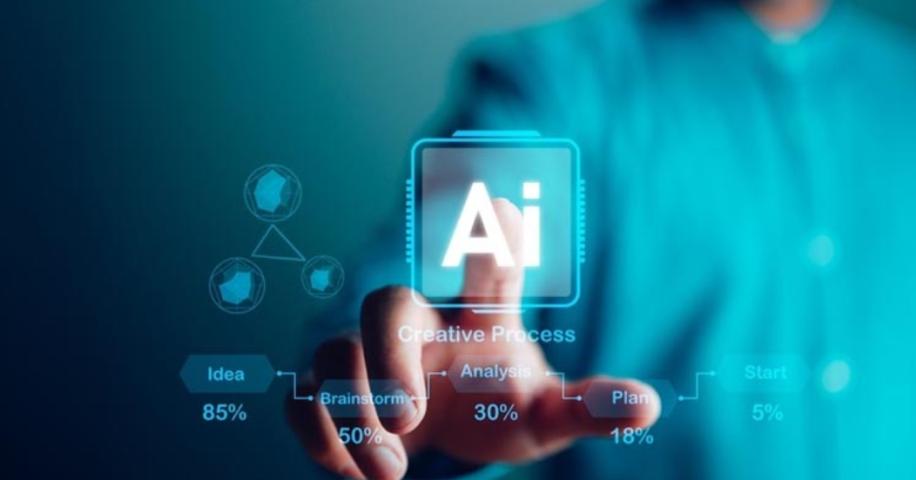
Artificial intelligence (AI) has become an increasingly useful tool for businesses looking to analyze information, automate routine work, and make better-informed decisions. Customer service teams, for example, can use AI-powered chatbots to answer common questions, while marketing departments can analyze customer behavior to develop more relevant campaigns. In finance, AI systems can help identify unusual transaction patterns that may indicate fraud.
However, AI isn't a magic solution that automatically fixes every business problem. Its results depend on the quality of the data, the way the system is implemented, and the people responsible for overseeing it. Human judgment still matters, particularly when decisions involve sensitive information, complex situations, or customer trust. Companies that understand these limitations are better positioned to use AI as a practical tool rather than an expensive experiment.
Healthcare Is Becoming More Connected and Data-Driven
Healthcare technology is helping medical professionals monitor patients, manage records, and coordinate care more efficiently. Electronic health records allow authorized healthcare providers to access relevant patient information digitally, while telemedicine makes consultations possible without requiring every patient to travel to a clinic. Wearable devices can also track measurements such as heart rate and activity levels, giving users additional information about their health.
Medical imaging systems and AI-assisted research tools are creating further opportunities to support clinical work. These technologies can help professionals identify patterns in medical data, although their findings still require appropriate clinical evaluation. Privacy and cybersecurity remain major concerns because health information is highly sensitive. The goal isn't to replace doctors with software; it's to give healthcare professionals better tools to support their decisions and help patients access appropriate care.
The Automotive Industry Is Getting Smarter
The automotive industry offers a clear example of how technology influences both production and everyday maintenance. Modern vehicles increasingly rely on electronic control systems, onboard diagnostics, sensors, and software to monitor performance and alert drivers when something needs attention. Manufacturers also use automation and robotics on production lines to improve consistency and carry out tasks that may be difficult or hazardous for workers.
Digital tools are changing vehicle maintenance, too. Diagnostic equipment can help mechanics identify fault codes and narrow down potential problems, reducing the need to rely on guesswork alone. At the same time, routine maintenance remains essential. Choosing the correct engine lubricant, including 5W40 engine oil where it meets the vehicle manufacturer's specifications, is still important for protecting engine components and maintaining reliable performance. Technology can help drivers and technicians make more informed maintenance decisions, but it doesn't eliminate the need for suitable parts, correct fluids, and regular servicing.
Education Is Moving Beyond the Traditional Classroom
Digital technology has expanded access to educational resources and changed how students learn. Online learning platforms allow people to study remotely, revisit recorded lessons, and complete assignments outside conventional classroom hours. Interactive simulations and digital collaboration tools can also help students explore difficult concepts and work together, even when they aren't in the same location.
For teachers, educational software can simplify administrative tasks, organize learning materials, and provide information about student progress. AI tools may offer additional support with practice exercises or explanations, but their output needs to be checked for accuracy. Access remains another challenge: reliable internet connections, suitable devices, and digital skills aren't equally available to everyone. Effective education technology therefore depends on thoughtful teaching, accessible design, and appropriate support rather than simply putting every lesson on a screen.
Retail and Manufacturing Are Becoming More Efficient
Retailers are using technology to improve everything from inventory management to customer service. Digital payment systems make transactions more convenient, while data analytics can help businesses understand purchasing patterns and plan stock levels. Online stores also allow smaller companies to reach customers beyond their immediate geographical area, creating opportunities that would have been harder to pursue through physical shops alone.
Manufacturers are experiencing similar changes through robotics, connected sensors, and industrial software. Sensors can monitor equipment conditions, while predictive maintenance systems use available data to help estimate when machinery may need attention. This can help businesses plan repairs and reduce unexpected downtime, although the results depend on reliable data and well-maintained systems. Automation can also improve consistency in repetitive production tasks, freeing employees to focus on supervision, troubleshooting, and other work that requires human judgment. The challenge is to introduce these tools in ways that improve productivity without overlooking worker training, safety, or the costs of implementation.
Conclusion
Technology is changing industries in ways that are practical, measurable, and increasingly difficult to ignore. From healthcare providers using digital records to mechanics relying on advanced diagnostics, businesses are finding new ways to manage information, improve services, and make everyday tasks more efficient. Yet successful adoption requires more than buying the latest software or installing new equipment.
Every industry has different needs, budgets, and responsibilities, so the right approach will vary. Businesses need to evaluate whether a new tool solves a genuine problem, whether employees can use it effectively, and whether its benefits justify the investment. Security, reliability, and ongoing maintenance deserve attention from the beginning, too. The companies most likely to benefit from technological progress are those that stay curious, adapt when there is a good reason to do so, and remember that innovation matters most when it makes real work better.