Explore the key differences between corrugated shoe boxes and rigid boxes for footwear packaging. Learn how each option
| Founded year: | 2000 |
| Country: | United States of America |
| Funding rounds: | Not set |
| Total funding amount: | Not set |
Description
Choosing the right packaging for footwear involves balancing cost, protection, presentation, and sustainability. Corrugated shoe boxes and rigid boxes are two of the most widely used options in the footwear industry. Each has its advantages and applications, depending on the brand’s goals and customer expectations. This blog explores the differences between these two types of packaging to help businesses make informed decisions.Understanding Corrugated Shoe Boxes
Corrugated boxes are commonly used across industries due to their durability and affordability. In the footwear sector, corrugated boxes have gained popularity as a reliable solution for shipping, storing, and displaying shoes.
Structure and Material
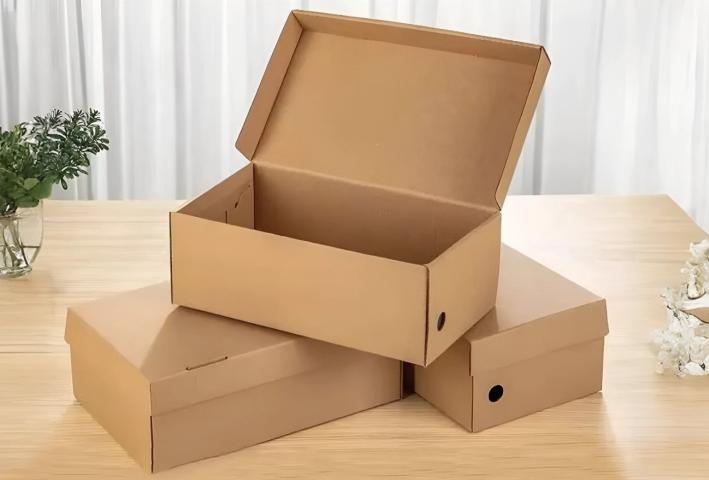
Corrugated boxes are made from fluted corrugated sheets sandwiched between layers of linerboard. This layered construction provides cushioning and strength, making them suitable for protecting shoes during transportation. Corrugated boxes are available in different grades, such as single-wall or double-wall, depending on the required level of protection.
Benefits of Corrugated Boxes for Shoes
Corrugated boxes are lightweight, which reduces shipping costs while maintaining product protection. They are also recyclable and biodegradable, meeting the growing demand for environmentally conscious packaging. Their foldable nature allows easy storage when not in use. Brands often use printed corrugated boxes to add branding while still keeping production economical.
Understanding Rigid Boxes for Shoes
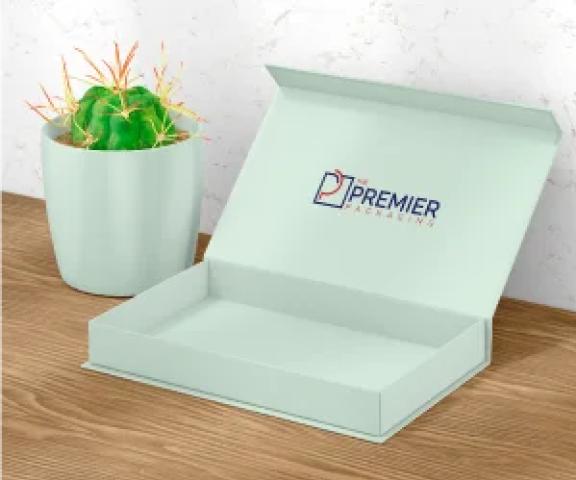
Rigid boxes, also known as setup boxes, are made from thick, pressed paperboard and are typically non-collapsible. They are associated with premium products and often used in high-end retail packaging.
Structure and Material
Rigid boxes are constructed using solid chipboard covered with printed or decorative paper. Unlike corrugated boxes, they do not fold flat and are generally assembled and glued during production. The sturdy structure provides a premium unboxing experience and a long-lasting impression.
Benefits of Rigid Boxes for Shoes
Rigid boxes offer a luxurious appearance and are often used to house designer shoes or limited-edition footwear. Their solid construction offers excellent protection against crushing and environmental factors. These boxes can be reused by customers, extending brand visibility and reducing waste. However, they are more expensive to manufacture and ship due to their bulk and weight.
Key Differences Between Corrugated Shoe Boxes and Rigid Boxes
To choose the appropriate packaging for your footwear products, it’s important to evaluate the core differences between corrugated and rigid boxes in terms of protection, branding potential, and overall cost.
Protection and Durability
Corrugated boxes are designed for durability during shipping and handling. The fluted inner layer acts as a buffer, absorbing shocks and preventing damage. This makes them ideal for e-commerce and bulk distribution. Rigid boxes, on the other hand, provide greater resistance to deformation and are less prone to tearing. While both offer good protection, the intended use will dictate which type is more appropriate.
Cost and Production Considerations
Corrugated shoe boxes are more economical to produce and transport, especially when ordered in bulk. They require less labor during assembly and are typically shipped flat, saving space and reducing freight costs. Rigid boxes involve higher material and assembly costs, as they are pre-assembled and non-collapsible. These differences significantly affect the choice of packaging based on budget and distribution methods.
Customization and Branding Options
Packaging also serves as a marketing tool. The ability to customize boxes influences brand recognition and customer perception. Both corrugated and rigid boxes offer opportunities to add branding, but their finishes and printing capabilities differ.
Printing and Surface Treatments
Corrugated boxes are commonly printed using flexographic or digital methods. While effective for logos and simple designs, printing on corrugated surfaces can lack the crispness of other materials. Rigid boxes allow more refined printing techniques, such as foil stamping or UV coating, which offer a more upscale finish. This makes rigid boxes suitable for brands focused on presentation and high-end retail experiences.
Structural Design Flexibility
Corrugated boxes can be die-cut into various styles, such as tuck-top or mailer boxes, offering flexibility for different shoe types. They are easy to assemble and require minimal effort in design changes. Rigid boxes support additional features like magnetic closures, drawer-style openings, or ribbon ties, which add to the unboxing experience. These features contribute to the premium image but require more planning during the design phase.
Sustainability and Storage Considerations
Sustainability has become a major concern in packaging decisions. Brands must consider how their packaging impacts the environment and storage logistics.
Environmental Impact
Corrugated boxes are widely recyclable and often made with recycled content. They decompose more easily, making them suitable for eco-friendly practices. Rigid boxes are also recyclable but often contain non-recyclable elements like magnets or lamination, which may complicate disposal. For businesses prioritizing environmental responsibility, corrugated boxes are typically the preferred choice.
Storage and Transportation
Corrugated boxes can be shipped and stored flat, reducing warehouse space and transportation costs. This is particularly advantageous for businesses with large inventories. Rigid boxes, due to their fixed shape, require more storage room and higher shipping volumes. Their bulkiness makes them less efficient for mass distribution, though suitable for niche or luxury offerings.
Have a startup you want to promote?
Feature your startup and reach thousands of entrepreneurs and investors
Feature My Startup