CCIE Data Center Training with Hands-on Experience, Personalized Support, Guidance from Certified Industry Experts.
| Founded year: | 2000 |
| Country: | India |
| Funding rounds: | Not set |
| Total funding amount: | Not set |
Description
How Data Center Engineers Manage High Availability NetworksAs organizations continue to embrace digital transformation, the demand for reliable IT infrastructure has never been greater. Businesses depend on uninterrupted access to applications, databases, cloud services, and communication platforms to support daily operations. Even a brief network outage can disrupt workflows, affect customer satisfaction, and lead to financial setbacks. To prevent these issues, companies invest heavily in high availability network environments that are designed to remain operational under a wide range of conditions. Professionals pursuing CCIE Data Center Training often develop the advanced skills required to design, implement, and maintain these resilient infrastructures.
Data center engineers are the specialists responsible for ensuring network reliability across complex IT environments. Through strategic planning, intelligent architecture design, and continuous monitoring, they help organizations maintain consistent performance and service availability. Understanding how these professionals manage high availability networks provides valuable insight into the technologies and practices that keep modern businesses connected.
Defining High Availability in Modern Networks
High availability refers to a network's ability to deliver continuous service with minimal interruptions, even when hardware malfunctions, software failures, or connectivity issues occur. Rather than relying on a single component, high availability infrastructures use redundant systems and automated recovery mechanisms to maintain operations during unexpected events.
The objective is simple: ensure users can access critical services whenever they need them while reducing the impact of failures on business operations.
Core Elements of a High Availability Network
Redundant Infrastructure Components
Essential resources such as network switches, routers, power systems, and communication links are duplicated to eliminate single points of failure.
Continuous Service Operation
Networks are engineered to remain functional even when individual devices or connections become unavailable.
Scalability and Adaptability
The infrastructure can grow alongside business requirements without compromising reliability or performance.
Automated Recovery Processes
Failover technologies enable services to switch to backup resources quickly, minimizing downtime.
How Data Center Engineers Support Network Availability
Data center engineers oversee the lifecycle of critical infrastructure, from initial design and deployment to maintenance and optimization. Their primary goal is to create environments that remain stable, secure, and accessible around the clock.
Designing Networks for Maximum Resilience
A strong network foundation is essential for achieving high availability.
Structured Network Layers
By separating the network into core, aggregation, and access layers, engineers simplify management while improving fault isolation and operational efficiency.
Spine-and-Leaf Topology
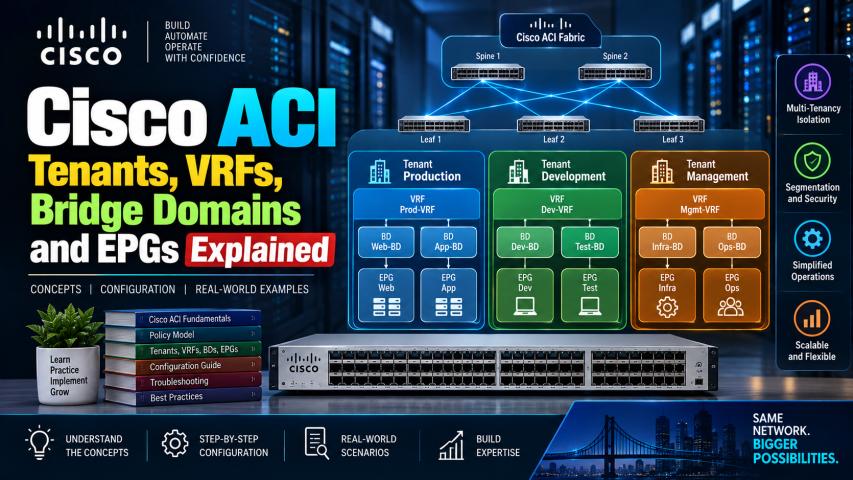
Many modern facilities utilize spine-leaf architectures because they provide multiple traffic paths, reduce latency, and improve overall network performance.
Traffic Segmentation Strategies
Technologies such as VLANs and software-defined networking enable efficient workload separation while enhancing security and manageability.
Building Redundancy into the Infrastructure
Redundancy is a fundamental strategy used to prevent service disruptions.
Backup Network Equipment
Critical devices are deployed in pairs or clusters to ensure that failures do not impact operations.
Redundant Core Switching
Multiple core switches provide continuous connectivity if one device experiences an issue.
Alternative Routing Devices
Backup routers ensure network traffic can continue flowing when primary routing systems fail.
Multiple Connectivity Options
Engineers create redundant communication paths throughout the infrastructure.
Aggregated Network Links
Combining multiple physical connections into a single logical path increases both bandwidth and reliability.
Alternate Data Paths
Traffic can be redirected automatically through secondary routes whenever a primary link becomes unavailable.
Protocols That Enable High Availability
Several networking protocols help maintain service continuity and support automatic failover.
Gateway Redundancy Mechanisms
These technologies ensure that end-user devices always have access to a functioning gateway.
Hot Standby Router Protocol
HSRP designates a standby router that immediately assumes gateway responsibilities if the active device fails.
Virtual Router Redundancy Protocol
VRRP provides similar functionality by creating a virtual gateway shared among multiple routers.
Dynamic Routing Technologies
Routing protocols automatically adjust network paths during outages or topology changes.
Open Shortest Path First
OSPF recalculates routes quickly when disruptions occur, helping maintain connectivity.
Border Gateway Protocol
BGP supports reliable communication across multiple networks, providers, and geographic locations.
Keeping Servers and Applications Available
Reliable network infrastructure must be complemented by highly available servers and applications.
Intelligent Load Distribution
Load balancing solutions spread traffic across multiple servers to prevent bottlenecks and improve responsiveness.
Balanced Resource Utilization
Requests are distributed evenly to maximize efficiency and performance.
Continuous Server Health Checks
Load balancers monitor server status and direct traffic only to healthy resources.
High Availability Clusters
Server clustering allows multiple systems to operate together as a unified platform.
Seamless Workload Transfer
Applications can continue operating when workloads automatically move to available servers.
Improved Infrastructure Efficiency
Clustering enhances both performance and resource utilization.
Virtualization as a High Availability Enabler
Virtualization technologies have become a cornerstone of modern data center design.
Flexible Workload Mobility
Virtual machines can be moved between hosts without causing major service interruptions.
Live Migration Capabilities
Applications remain accessible during maintenance activities and infrastructure upgrades.
Dynamic Resource Management
Resources can be allocated based on changing business and workload demands.
Automated Recovery Features
Virtualization platforms can automatically restart workloads when hardware failures occur.
Monitoring for Continuous Network Health
Proactive monitoring helps engineers detect and resolve issues before they affect users.
Real-Time Infrastructure Visibility
Modern monitoring platforms provide detailed insights into network and system performance.
Performance Tracking
Engineers monitor latency, bandwidth consumption, packet loss, and resource utilization.
Instant Alert Notifications
Automated alerts enable rapid response to potential issues.
Preventive Maintenance Practices
Predictive analytics help identify weaknesses before failures occur.
Capacity Management
Engineers evaluate growth trends to ensure adequate resources are available.
Hardware Refresh Planning
Equipment is upgraded proactively to reduce the risk of unexpected outages.
Disaster Recovery and Business Continuity
Maintaining availability also requires preparation for large-scale disruptions.
Secondary Infrastructure Locations
Organizations often deploy additional data centers to support recovery objectives.
Active-Active Models
Multiple facilities simultaneously process production workloads.
Active-Passive Models
A backup facility remains ready to take over operations if required.
Data Synchronization Strategies
Replicating critical data ensures business continuity during outages.
Near Real-Time Replication
Updates are transferred immediately to backup environments.
Scheduled Synchronization
Data is replicated at defined intervals based on organizational requirements.
Automation and Operational Efficiency
Automation has become an essential component of modern high availability strategies.
Automated Configuration Control
Automation tools help maintain consistency across network environments.
Standardized Deployments
Configurations can be implemented uniformly across multiple locations.
Faster Incident Resolution
Automated workflows reduce response times and improve operational efficiency.
Infrastructure as Code Practices
Managing infrastructure through code improves scalability and consistency.
Repeatable Implementation Processes
Changes can be deployed accurately across different environments.
Enhanced Governance
Automated validation supports compliance and operational standards.
Skills Required for High Availability Network Management
Managing complex data center environments requires a broad range of technical competencies.
Foundational Technical Knowledge
Networking Expertise
Engineers must understand routing, switching, and security principles.
Data Center Technologies
Knowledge of storage systems, virtualization platforms, and cloud integration is increasingly important.
Automation Skills
Scripting and orchestration capabilities help streamline infrastructure management.
Professional Development Opportunities
Many engineers pursue CCIE Data Center certifications and advanced technical training to strengthen their expertise in automation, troubleshooting, infrastructure design, and network resilience. These programs provide practical experience with enterprise-grade technologies used in modern data centers.
Emerging Developments in High Availability Networking
The future of high availability continues to evolve alongside new technologies.
Artificial Intelligence in Network Operations
AI-driven tools can identify anomalies, predict failures, and automate routine operational tasks.
Intent-Based Infrastructure Management
Policy-driven networking simplifies administration while improving consistency.
Hybrid and Multi-Cloud Connectivity
Organizations increasingly require reliable connectivity across multiple cloud platforms and on-premises environments.
Expansion of Edge Computing
Distributed computing architectures introduce new challenges and opportunities for maintaining service availability.
Conclusion
High availability networks form the backbone of today's digital enterprises. Through careful planning, redundancy, automation, virtualization, monitoring, and disaster recovery strategies, data center engineers ensure critical services remain accessible and reliable. As organizations continue to expand their digital operations, the need for professionals skilled in resilient infrastructure design will continue to grow. Advanced programs such as CCIE Data Center Training help engineers acquire the expertise needed to build, manage, and optimize highly available network environments that support long-term business objectives.