The Kanchenjunga Circuit Trek is a challenging journey around the world’s third-highest peak.
| Founded year: | 2000 |
| Country: | Nepal |
| Funding rounds: | Not set |
| Total funding amount: | Not set |
Description
The Kanchenjunga Circuit Trek is one of Nepal’s most remote and rewarding trekking adventures. Encircling the world’s third-highest mountain, Kanchenjunga (8,586 meters), this trek offers a unique combination of rugged landscapes, cultural richness, and pristine wilderness. Unlike the more frequented routes of Everest and Annapurna, the Kanchenjunga Circuit provides trekkers with an authentic Himalayan experience, where natural beauty and local traditions remain largely untouched. With over a decade of experience writing about Nepal’s trekking routes, I can confidently say this journey is for those seeking solitude, challenge, and deep cultural immersion.A Remote Himalayan Adventure
The Kanchenjunga Circuit is located in eastern Nepal, bordering Sikkim (India) and Tibet. Its trails traverse diverse ecosystems, ranging from subtropical forests at lower elevations to alpine meadows and high glacial regions. The trek’s remoteness requires careful planning, proper acclimatization, and a sense of adventure. Trekkers will find themselves walking through narrow valleys, alongside roaring rivers, and over high passes that reveal panoramic views of the towering Kanchenjunga massif.
The journey begins with a scenic drive from Kathmandu or Birtamod to the trailhead, often in the remote districts of Taplejung or Sankhuwasabha. From there, the trail gradually introduces trekkers to the local landscape and culture. Unlike more commercial treks, the Kanchenjunga Circuit allows for deep exploration of secluded villages where tourism is limited, making each encounter meaningful and authentic.
Cultural Immersion in Eastern Nepal
One of the most captivating aspects of the Kanchenjunga Circuit Trek is the cultural experience. The region is home to diverse ethnic groups, including Limbu, Sherpa, and Rai communities. Villages along the route are characterized by traditional wooden houses, Mani walls, Buddhist monasteries, and prayer flags fluttering in the mountain wind.
Trekkers have the opportunity to witness traditional agricultural practices, local festivals, and everyday life that has remained relatively unchanged for centuries. In places like Yamphudin and Lhonak, visitors can interact with local families, enjoy home-cooked meals, and gain insight into the resilient lifestyle of high-altitude communities. The combination of cultural richness and natural beauty makes the trek a holistic Himalayan experience.
Scenic Highlights and Natural Wonders
The Kanchenjunga Circuit Trek offers some of the most spectacular and varied landscapes in Nepal. Trekkers traverse dense rhododendron and oak forests, cross icy rivers, and ascend through alpine meadows dotted with wildflowers. Wildlife is abundant in the region, including red pandas, Himalayan tahr, musk deer, and numerous bird species.
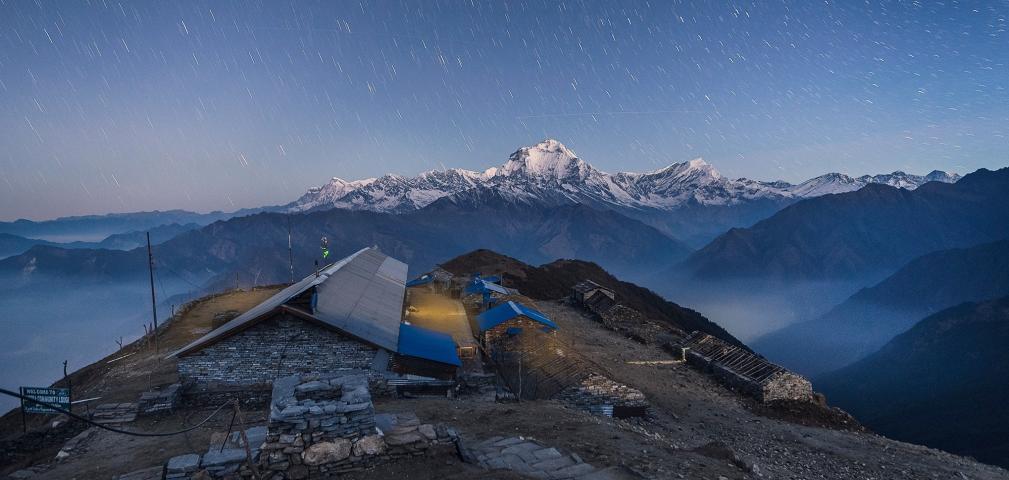
The trek passes through high-altitude areas such as Ghunsa, Yamphudin, and Lhonak, where trekkers can view the dramatic north face of Kanchenjunga. The sight of the mountain at sunrise, with its jagged ridges and glaciers, is often described as one of the most breathtaking experiences in the Himalayas. The combination of high-altitude vistas, lush valleys, and diverse ecosystems ensures that every day on the trail offers something extraordinary.
High Passes and Trekking Challenges
The Kanchenjunga Circuit is a physically demanding trek that requires trekkers to cross high passes such as the Lhonak La (5,050 meters) and the Sinelapche La (5,160 meters). These passes are challenging due to altitude, unpredictable weather, and steep ascents, but they reward trekkers with unmatched panoramic views.
Trekking at high altitude demands proper acclimatization, patience, and preparation. Trekkers should be aware of altitude sickness symptoms and maintain a steady pace throughout the journey. Despite its challenges, the trek is highly rewarding, offering a sense of achievement and the opportunity to experience one of Nepal’s least explored regions.
Practical Tips for Trekkers
To make the most of the Kanchenjunga Circuit Trek, careful preparation is essential:
Best Time to Trek: The optimal seasons are autumn (September to November) and spring (March to May), when skies are clear, temperatures are moderate, and the landscapes are vibrant.
Permits: Trekkers require a Kanchenjunga Conservation Area Permit and a Restricted Area Permit (RAP), along with the services of a licensed guide.
Accommodation: Lodges and tea houses are available, but basic in most villages. Trekkers should be prepared for simple facilities and limited hot showers.
Fitness and Equipment: Good physical fitness is essential. Proper trekking gear, layered clothing, and sturdy boots are necessary due to variable terrain and weather conditions.
Local Etiquette: Respect local customs, particularly in monasteries and homes. Engaging with locals respectfully enhances the cultural experience and fosters meaningful interactions.
Who Should Attempt the Kanchenjunga Circuit Trek
The Kanchenjunga Circuit Trek is suitable for experienced trekkers who seek solitude, adventure, and cultural exploration. It is not recommended for beginners due to its length, altitude, and remote nature. Those prepared to embrace physical challenge and limited amenities will find this trek deeply fulfilling.
Conclusion: A Journey into Untouched Himalayan Majesty
The Kanchenjunga Circuit Trek is more than a trekking route; it is a journey into a world where nature, culture, and spirituality coexist in extraordinary harmony. The trek offers a unique combination of remote villages, high passes, diverse ecosystems, and awe-inspiring views of the Kanchenjunga massif. For travelers seeking an authentic Himalayan adventure, free from crowds and rich in both natural beauty and cultural heritage, this trek provides an unforgettable experience. The Kanchenjunga Circuit invites you to explore Nepal’s hidden frontier, leaving you with lasting memories of the mountains and the resilient communities that thrive within them.
Have a startup you want to promote?
Feature your startup and reach thousands of entrepreneurs and investors
Feature My Startup