Troubleshooting Common Snaptikk.io Download Fails
| Founded year: | 2026 |
| Country: | United States of America |
| Funding rounds: | Not set |
| Total funding amount: | Not set |
Description
|| Troubleshooting Common Snaptikk.io Download Fails ||Downloading TikTok videos can be convenient when users want to keep selected content available for offline reference, personal organization, research, or permitted creative work. However, an online downloader may occasionally fail to process a particular video or may produce an unexpected result. These problems can come from the source link, browser, internet connection, device storage, or temporary service conditions.
Snaptikk.io provides a browser based workflow where users can submit a TikTok video link and review available download options. Because the process takes place through a web browser, most common download problems can be investigated without changing complicated device settings. Understanding the likely cause of a failed request can help users troubleshoot the workflow more efficiently.
|| Check the TikTok URL First ||
The TikTok link is the starting point of the entire process. If the copied URL is incomplete, incorrectly copied, or points to content that is no longer available, processing may fail. Users should return to TikTok and copy the link again rather than manually changing parts of the address.
It is also useful to open the copied URL in a separate browser tab first. If the original video cannot be accessed, the downloader may not be able to process it either.
|| Make Sure the Source Video Is Available ||
A downloader depends on the source content being accessible. If a TikTok video has been deleted, made private, restricted, or otherwise become unavailable, processing may not work as expected.
Users should check whether the original post still opens normally on TikTok. This simple check can distinguish a source related problem from a browser or downloader related problem.
|| Refresh the Snaptikk.io Page ||
Temporary browser or network conditions can sometimes interfere with a request. Refreshing the Snaptikk.io page is a quick troubleshooting step.
After the page reloads, users can paste the TikTok URL again and submit it. If the first attempt failed because of a temporary loading problem, restarting the process may resolve it without requiring additional changes.
|| Check Your Internet Connection ||
A stable internet connection is important for both loading the website and processing a download. If the connection is slow or frequently disconnects, a request may take longer than expected or fail before completion.
Users can check whether other websites are loading normally. Switching to a more stable connection may also help determine whether the problem is related to local network conditions.
|| Avoid Repeated Submissions ||
When a download appears slow, repeatedly pressing the download button may create unnecessary requests. Instead, users should allow the current request time to respond before trying again.
If nothing happens, refreshing the page and submitting the link once more is generally a cleaner approach. A deliberate workflow makes troubleshooting easier because users can identify which attempt produced a particular result.
|| Try a Current Web Browser ||
Snaptikk.io is accessed through a web browser, so browser compatibility can affect the experience. Users should keep their preferred browser reasonably up to date.
If a download fails repeatedly, testing another current browser can help determine whether the issue is specific to the existing browser environment. This is particularly useful when the website loads normally but a processing action does not behave as expected.
|| Clear Temporary Browser Data ||
Cached files and website data can occasionally contribute to unusual browser behavior. If refreshing does not help, users can consider clearing relevant cached data for the browser.
After clearing the cache, reopening the website and submitting the TikTok link again can provide a fresh session. Users should understand that clearing browser data may affect other websites, so they should use this step when simpler troubleshooting methods have not helped.
|| Disable Problematic Extensions Temporarily ||
Browser extensions can sometimes interfere with page scripts, redirects, downloads, or interactive elements. Ad blockers, privacy extensions, download managers, and other browser add ons may behave differently depending on the website.
If Snaptikk.io works incorrectly while other pages behave normally, users can test the site in a clean browser profile or private browsing window where appropriate. This can help identify whether an extension is contributing to the problem.
|| Check Download Permissions ||
Browsers may ask whether a website can download files. If a download is blocked, users should inspect the browser s download permissions and settings. The exact controls differ between browsers.
Users should avoid granting broad permissions unnecessarily and should only enable settings that are relevant to the download workflow.
|| Review the Download Folder ||
Sometimes the download actually succeeds but the user cannot immediately find the resulting file. Before assuming that the process failed, users should check their browser s default download location.
On desktop computers, this is often a dedicated Downloads folder. On smartphones, files may appear in the device s file manager or another location configured by the browser.
|| Check Available Device Storage ||
Insufficient storage can prevent a file from being saved successfully. This can happen even when the downloader processes the source correctly.
Users should check their phone or computer s available storage before downloading large amounts of video content. Removing unnecessary duplicate files can create additional space and make future downloads easier to manage.
|| Understand Quality and File Size ||
Higher quality video files can require more storage and may take longer to process or transfer.
Users should consider the purpose of the download before choosing the highest available quality.
A smaller file may be sufficient for simple offline reference, while higher quality may be useful for permitted editing or detailed review. The original TikTok upload also influences the quality of the resulting file.
|| Check Whether the Format Is Appropriate ||
Different workflows require different file formats. If the user needs the complete video, a video download is appropriate.
If only audio is needed and an audio option is available, an audio format may be more efficient. Selecting the correct available option can prevent users from downloading a larger file than necessary.
|| Consider Browser Based Convenience ||
One benefit of a browser workflow is no installation of a separate downloader application. Users can access the service directly through their browser instead of adding another application to their device.
This can reduce application related troubleshooting, although browser, network, and source related issues can still occur. Keeping the workflow simple makes it easier to identify the source of a failure.
|| Look for Temporary Service Problems ||
Not every failed download is caused by the user s device. Online services can experience temporary processing problems, maintenance, heavy traffic, or other technical conditions.
If several unrelated TikTok links fail in the same way, users can consider waiting and trying again later rather than repeatedly changing their device settings.
A consistent failure across multiple sources may indicate a broader service or network issue.
|| Test Another TikTok Video ||
Testing a second publicly accessible TikTok video can be a useful diagnostic step. If one video fails but another works, the issue may be associated with the specific source content.
If several different videos fail, the problem may instead involve the browser, connection, device, or temporary service conditions. This simple comparison can narrow down the troubleshooting process.
|| Check Mobile Browser Behavior ||
Smartphone users may encounter issues related to browser tabs, storage permissions, downloads, or network switching. Closing unnecessary tabs and reopening the Snaptikk.io page can help create a cleaner session.
Users should also check whether their phone has sufficient free storage. If the device changes between Wi Fi and mobile data during processing, connection instability may also affect the request.
|| Troubleshooting on Desktop ||
Desktop users have additional troubleshooting options. They can test another browser, inspect the Downloads folder, review browser permissions, and check available storage.
A desktop can also make it easier to compare the original TikTok URL with the submitted link. If the source opens correctly but processing fails repeatedly, testing another browser can help isolate the problem.
|| Avoid Altering the URL Manually ||
Users sometimes attempt to modify TikTok URLs when a request fails. This can create additional problems.
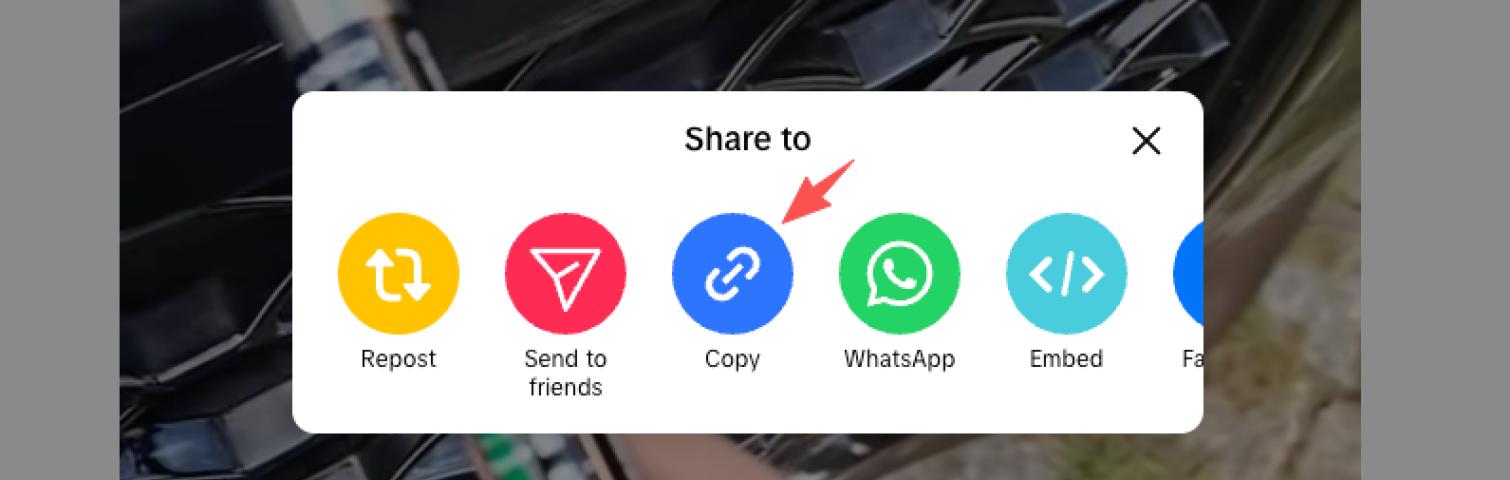
The safest troubleshooting approach is usually to return to TikTok and use its sharing function to copy the link again. Submitting the original copied URL reduces the possibility of accidentally removing important parts of the address.
|| Watch for Unexpected Redirects ||
Online browsing can sometimes involve redirects or pop up windows. Users should pay attention to where a link leads before interacting with it.
If an unexpected page requests passwords, payment information, unrelated software, or sensitive personal details, users should avoid providing that information. The download process should not require sharing TikTok account credentials.
|| Keep Security Software Active ||
Troubleshooting should not mean disabling important device protections permanently. Users should keep their operating system, browser, and security tools reasonably current.
If a security application blocks a particular file or page, users should review the warning rather than automatically overriding it. A failed download is preferable to introducing an unknown file into the device without understanding the warning.
|| Check File Extensions ||
After a download completes, users should verify that the resulting file has an expected media extension. Unexpected executable files or unfamiliar formats deserve additional caution.
Users should not assume that every file presented through an online download workflow is automatically trustworthy. If the file type does not match the expected result, it is better to investigate before opening it.
|| Deal With Slow Processing ||
Slow processing does not always mean that a download has failed. Internet speed, source availability, browser performance, file size, and temporary server conditions can all influence how quickly a request completes.
Users should give a request reasonable time before refreshing. If it remains unresponsive, restarting the browser session and trying again can be a practical next step.
|| Handle Multiple Download Problems ||
When several videos need to be processed, users should avoid sending many requests simultaneously unless the service clearly supports that workflow. Processing content in a controlled manner makes it easier to identify failures, especially if you plan to download tikok videos in HD quality. A simple spreadsheet containing URLs and download status can also help users track which files have already been processed. This prevents repeated attempts and duplicate files.
|| Keep Downloaded Files Organized ||
Troubleshooting becomes easier when files are organized. Users can create folders for different projects or content categories. Descriptive filenames can help identify the source without opening every file.
Recording the original TikTok URL alongside important downloads can also make it easier to verify the source later.
|| Consider Copyright and Creator Rights ||
A successful download does not automatically grant permission to reuse the content. TikTok videos can include copyrighted music, graphics, performances, commentary, or other protected material.
Users should consider applicable laws, platform rules, and creator permissions before publishing, redistributing, modifying, or monetizing downloaded videos. Troubleshooting technical problems should therefore remain separate from decisions about how downloaded content may legally be used.
|| Protect Sensitive Information ||
Users should avoid downloading or storing sensitive personal content unnecessarily. If a video contains private information, personal conversations, identifying details, or other sensitive material, users should consider whether creating a local copy is appropriate.
Downloaded files can remain on devices, backups, and synchronized storage longer than expected. Good file management practices should include awareness of what the files contain.
|| Keep a Simple Troubleshooting Checklist ||
When a download fails, users can work through the problem logically. First, verify the TikTok URL and confirm that the original video is accessible. Next, check the internet connection, refresh the Snaptikk.io page, and try the request again.
If the problem continues, test another browser or another TikTok video. Users can then check browser permissions, download locations, device storage, and potential temporary service conditions. This approach is more efficient than changing multiple settings simultaneously.
|| Build a Reliable Download Routine ||
Frequent users can reduce future problems by creating a consistent workflow. They can copy links directly from TikTok, keep their browser updated, maintain sufficient storage, organize downloaded files, and avoid unnecessary browser extensions.
They can also keep a record of important source URLs. A repeatable routine makes it easier to recognize when something unusual happens and identify where the problem is occurring.
|| When to Try Again Later ||
Sometimes the most practical troubleshooting step is simply to wait. If multiple valid TikTok URLs fail despite working internet access and different browser attempts, the problem may be temporary.
Users can close the page, return later, and test the workflow again. There is little benefit in repeatedly submitting the same request when the underlying issue has not changed.
|| Getting Back to a Smooth Workflow ||
Most download failures can be narrowed down by checking the source URL, browser, internet connection, storage, permissions, and current service conditions. Snaptikk.io s browser based approach keeps the basic workflow relatively simple, but successful processing can still depend on factors outside the downloader itself.
By copying clean source links, testing one variable at a time, keeping devices organized, checking file locations, and applying sensible security and copyright practices, users can make troubleshooting less frustrating and maintain a more reliable TikTok downloading workflow.
Have a startup you want to promote?
Feature your startup and reach thousands of entrepreneurs and investors
Feature My Startup