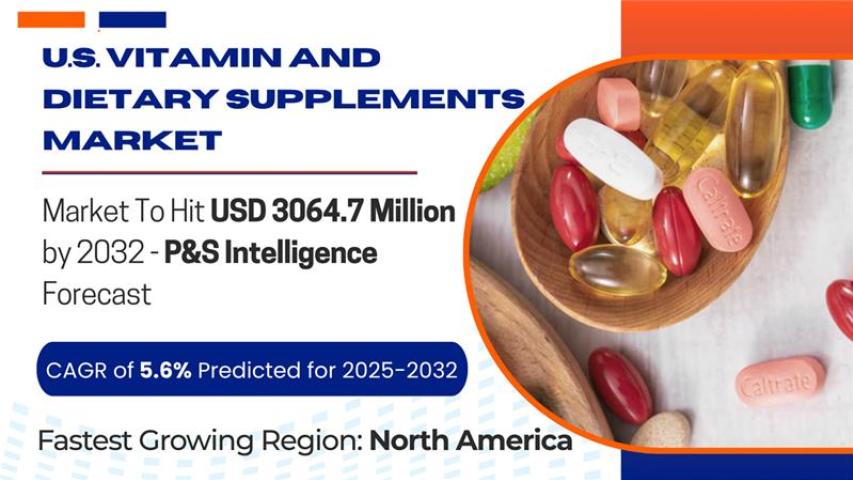
According to P&S Intelligence, the U.S. vitaminand dietary supplements market was valued at USD 70.0 billion in 2024.Wit
| Founded year: | 2000 |
| Country: | India |
| Funding rounds: | Not set |
| Total funding amount: | Not set |
Description
Key Market Drivers1. Rising Health Consciousness
An increasing number of Americans are embracingwellness-focused lifestyles, prioritizing preventive care over reactive treatment. This trend has fueled demand for supplements that enhance immunity, energy, bone health, mental clarity, and cardiovascular health.
2. Aging Population
With a growing elderly demographic, there’s heighteneddemand for supplements supporting joint, eye, and brain health. Products designed for seniors—especially multivitamins, calcium, and omega-3s—are among
the top-selling categories.
3. Plant-Based and Natural Formulations
Consumers are leaning toward “clean label” products—thosewith transparent ingredients, no synthetic additives, and plant-derived components. Ingredients like turmeric, ashwagandha, and spirulina are gaining popularity for their holistic health benefits.
4. E-commerce and Omnichannel Expansion
Online platforms have made supplements more accessible thanever. E-commerce has become a major sales driver, supported by subscription services, social media marketing, and direct-to-consumer (DTC) brands.
5. Post-COVID Health Awareness
The pandemic significantly increased the demand forimmunity-boosting supplements, especially vitamin C, vitamin D, and zinc. This heightened health awareness has persisted, even after the pandemic peak.
Regional Insights
Western U.S. Leads Market Share
The Western region, particularly California, holds thelargest share of the U.S. vitamin and dietary supplements market. The region’s wellness-driven culture, higher disposable incomes, and trend adoption of organic products contribute to its dominance.
Southern U.S. Shows Fastest Growth
States in the South are seeing a rapid uptick in demand.Growing urban populations, improved healthcare awareness, and access to retail options are accelerating market expansion in this region
Product Categories and Consumer Preferences
Vitamins: Multivitamins and individual vitamins (like D, C, and B12) remain core
products, consumed by a wide demographic base.
Minerals: Calcium, magnesium, and iron are especially popular among older adults and women.
Herbal Supplements: Plant-based options such as echinacea, ginseng, and elderberry are gaining traction.
Functional Foods & Beverages: These combine supplement benefits with convenience and taste, appealing to younger consumers.
Sports Nutrition & Weight Management: With increasing interest in fitness, products like protein powders, creatine, and thermogenics are seeing strong demand.
Trends Shaping the Market
Personalized Nutrition
Advances in AI and health diagnostics have enabledcustomized supplement plans based on genetics, lifestyle, and health data. This is creating new avenues for brands offering tailored solutions.
Sustainability and Transparency
Eco-conscious consumers demand ethically sourcedingredients, recyclable packaging, and full transparency in labeling. Brands embracing these values gain a competitive edge.
Technological Integration
Digital health tools such as supplement tracking apps,DNA-based nutrition tests, and online consultation services are influencing buying behavior and brand loyalty.
Competitive Landscape
The U.S. vitamin and dietary supplements market ismoderately fragmented. While large players like GNC, Herbalife, Nature’s Bounty, and Amway lead in sales, smaller, specialized DTC brands are rapidly gaining market share through innovation and niche targeting.
P&S Intelligence notes that product innovation,clean labels, strategic partnerships, and an omnichannel presence are key success factors. Companies are also increasingly investing in R&D to back product claims with clinical evidence and meet regulatory standards.
Challenges
Regulatory Compliance: Although dietary supplements are not subject to FDA approval like pharmaceuticals, companies must comply with labeling standards under the Dietary Supplement Health and Education Act (DSHEA).
Market Saturation: With thousands of SKUs available, brands face the challenge of standing out in a crowded market.
Consumer Skepticism: Demand for clinical validation and third-party testing is growing, especially among informed consumers.
Supply Chain Vulnerability: Ingredient sourcing and logistics disruptions can impact pricing and product availability.
Future Outlook
The U.S. vitamin and dietary supplements market is on arobust growth trajectory. With projected revenues of USD 139.0 billion by2032, the industry offers ample opportunities for new entrants andestablished players alike.
Key growth strategies will include
Enhancing brand credibility through scientific validation
Investing in sustainable practices and ethical sourcing
Leveraging e-commerce and DTC platforms for better consumer reach
Expansion into personalized nutrition and functional categories