
In a world increasingly
captivated by the allure of natural beauty, cosmetic clays have emerged as the
unsung heroes of skincare. These earthy treasures, once relegated to ancient
rituals, are now taking center stage in our modern skincare routines. Their
rise in popularity is no coincidence; more and more individuals are seeking
effective solutions that are not only gentle on the skin but also kind to the
planet. As consumers become more eco-conscious, the demand for products rich in
natural ingredients is skyrocketing, and cosmetic clays fit the bill perfectly.
Harnessing the power of nature,
these clays offer a myriad of benefits that go beyond mere aesthetics. They
provide deep cleansing, detoxification, and hydration, all while promoting
healthy skin without harsh chemicals. Imagine swapping out synthetic ingredients
for simple, mineral-rich clays that cater to your unique skin concerns. In this
article, we’ll explore the fascinating world of cosmetic clays, revealing how
they can transform your skincare routine into a holistic experience. Join us on
this journey to uncover the earthy beauty secrets that can rejuvenate your skin
and elevate your natural glow!
What Are Cosmetic Clays?
Cosmetic clays are natural
minerals that have been revered for their skin-enhancing properties for
centuries. Composed primarily of fine particles from the weathering of rocks,
these clays are rich in essential minerals like silica, magnesium, and calcium.
Their unique composition allows them to absorb impurities, making them a
popular choice in skincare regimens. When mixed with water or other natural
ingredients, they form clay masks that can deeply cleanse and rejuvenate the
skin. This versatile ingredient is not only effective but also offers a gentle
approach to skincare, appealing to those who prefer natural solutions.
Historically, the use of clays in
beauty and wellness practices dates back thousands of years. Ancient Egyptians,
for example, utilized clay to enhance their beauty rituals, believing it could
purify and protect their skin. Similarly, traditional Chinese medicine has long
recognized the healing properties of clays, employing them for detoxification
and promoting overall health. This rich heritage reflects the enduring trust in
cosmetic clays as a powerful natural remedy, revealing their timeless appeal in
the world of beauty.
In modern times, the resurgence
of interest in eco-conscious and holistic skincare has led to an increased
popularity of cosmetic clays. They are being embraced not only for their
detoxifying properties but also for their ability to address various skin concerns,
from acne to dryness. With consumers becoming more aware of the ingredients in
their beauty products, the allure of using simple, natural elements like clay
has gained significant momentum. As a result, more individuals are exploring
how these ancient ingredients can play a vital role in achieving healthy,
radiant skin today.
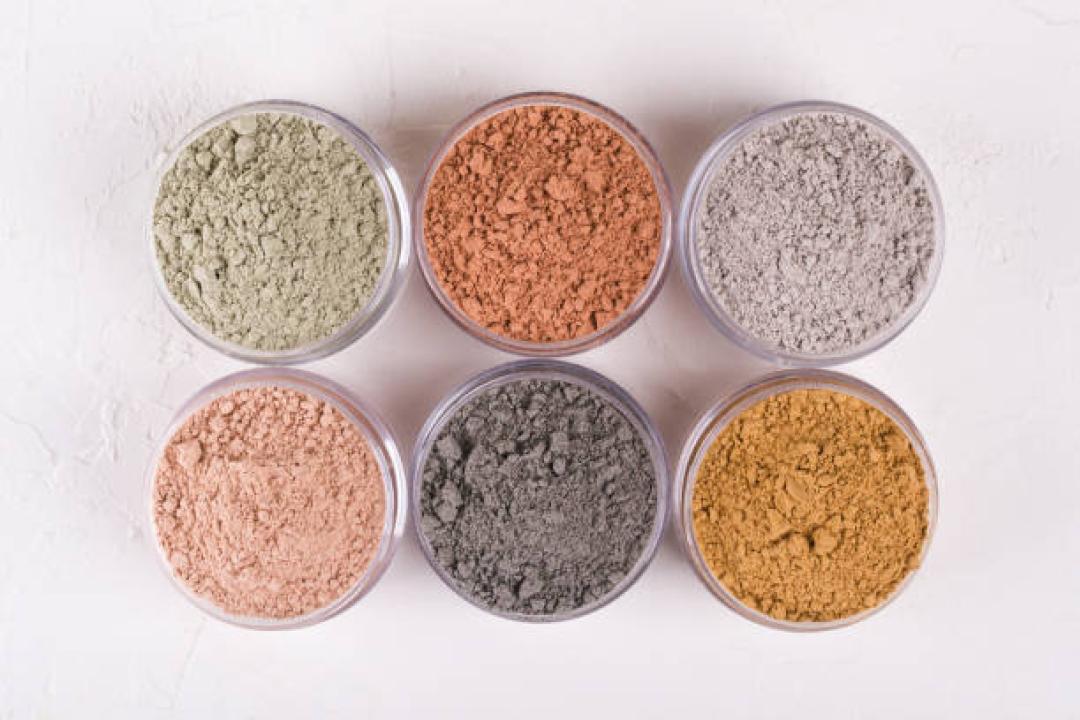
Types of Cosmetic Clays
When it comes to cosmetic clays,
not all are created equal. Each type boasts its own unique properties and
benefits, making them suitable for different skin types and concerns. Let's
explore three of the most popular types: bentonite clay, kaolin clay, and
rhassoul clay, each offering a natural path to healthier skin.
Bentonite clay is renowned for
its powerful detoxification properties. Formed from volcanic ash, this clay is
rich in minerals like magnesium and silica, which work wonders for oily and
acne-prone skin. Its ability to absorb excess oil and impurities makes it an
ideal choice for those looking to achieve a clearer complexion. When mixed with
water or apple cider vinegar, bentonite clay creates a paste that can draw out
toxins from the skin, leaving it feeling fresh and rejuvenated. Many users
report a noticeable reduction in breakouts after incorporating bentonite clay
masks into their skincare routine.
On the gentler side, kaolin clay
stands out as a soothing option for sensitive skin types. This fine,
light-colored clay is known for its mild exfoliating properties, making it
perfect for those who want to gently slough off dead skin cells without irritation.
Kaolin clay can help improve overall skin tone while providing hydration,
making it suitable for individuals with dry or combination skin. Its calming
effects also make it a fantastic ingredient in products designed to alleviate
redness and inflammation. For those seeking a spa-like experience at home, a
kaolin clay mask infused with essential oils can elevate your self-care ritual.
Lastly, rhassoul clay, sourced
from Morocco, is celebrated for its unique ability to improve skin texture and
hydration levels. Unlike many other clays that may leave the skin feeling
tight, rhassoul clay contains high amounts of minerals like potassium and
calcium that nourish the skin. This clay not only helps to draw out impurities
but also enhances elasticity and firmness, making it a great choice for mature
skin. Users often describe the results as transformative, with smoother, more
supple skin after just a few applications. Whether you're looking to detoxify
or simply enhance your natural glow, exploring these diverse clays can offer a
wealth of benefits for your skincare journey.
Benefits of Using Cosmetic Clays
Cosmetic clays have garnered
attention for their remarkable ability to deeply cleanse and purify the skin,
making them a staple in natural skincare routines. When applied as a mask,
these earthy wonders draw out impurities, excess oil, and toxins from the skin,
providing a refreshing cleanse that leaves you feeling rejuvenated. For
instance, green clay, known for its potent absorption properties, effectively
unclogs pores and can significantly reduce the appearance of blemishes. This
deep cleansing action not only promotes a clearer complexion but also prepares
the skin to better absorb other nourishing ingredients, enhancing the overall
effectiveness of your skincare regimen.
Another key benefit of cosmetic
clays is their ability to balance oil production across various skin types.
Whether you have oily, dry, or combination skin, there’s a clay that can cater
to your specific needs. Bentonite clay, for example, is particularly effective
for those with oily skin, as it helps regulate sebum production while keeping
the skin hydrated. On the other hand, kaolin clay offers a gentler touch for
dry or sensitive skin, providing essential moisture while still managing oil
levels. By incorporating these clays into your routine, you can achieve a
harmonious balance that enhances your skin's natural radiance.
Beyond cleansing and oil control,
cosmetic clays play an essential role in enhancing skin elasticity and
firmness. As we age, our skin naturally loses some of its resilience, but the
minerals found in various clays—such as magnesium, silica, and calcium—can help
combat this effect. Regular use of rhassoul clay, for example, has been shown
to improve skin texture and elasticity, giving it a more youthful appearance.
The unique combination of nutrients in these clays works to stimulate collagen
production, which is vital for maintaining that sought-after firmness and
suppleness. With consistent application, many users report noticeable
improvements in their skin's overall tone and texture.
Embracing the benefits of
cosmetic clays not only transforms your skincare routine but also connects you
to nature's timeless beauty secrets. By harnessing the power of these natural
ingredients, you can achieve healthier, more radiant skin without relying on
harsh chemicals or synthetic additives.
How to Incorporate Clays into Your Skincare Routine?
Incorporating cosmetic clays into
your skincare routine can be both simple and rewarding, especially when you
tailor them to your specific skin concerns. One of the most popular ways to use
these versatile ingredients is through DIY clay masks. For those struggling
with acne, a bentonite clay mask mixed with apple cider vinegar can help draw
out impurities and reduce breakouts. On the other hand, if you have sensitive
skin, consider a gentle kaolin clay mask blended with honey and aloe vera for
soothing and hydration. This combination not only calms irritation but also
provides essential moisture, making it an excellent choice for anyone looking
to nurture delicate skin.
When combining clays with other
natural ingredients, it's important to consider what your skin needs most. For
a nourishing boost, you might mix rhassoul clay with yogurt and a few drops of
essential oils like lavender or tea tree oil—both known for their healing
properties. This blend can enhance the clay's hydrating benefits while offering
additional anti-inflammatory effects. Furthermore, remember that the texture of
your mask can vary based on the ingredients you choose; adjusting the
liquid-to-clay ratio will help achieve your desired consistency for easier
application.
To maximize the benefits of your
clay masks, frequency of use is key. For oily or acne-prone skin, applying a
clay mask 1-2 times a week can help maintain balanced oil production and
prevent breakouts. However, those with sensitive skin should start slow,
perhaps once every two weeks, and monitor how their skin reacts before
increasing usage. Always listen to your skin’s needs; if you notice excessive
dryness or irritation, scale back accordingly. By personalizing your approach
and being mindful of your skin’s responses, you can effectively harness the
power of cosmetic clays in your beauty routine.
Precautions When Using Cosmetic Clays
While cosmetic clays offer a
myriad of benefits for your skin, it’s essential to approach their use with
caution. One of the most important steps before applying any new product is
conducting a patch test. This simple process involves applying a small amount
of the clay mixture to a discreet area of your skin, such as the inside of your
wrist or behind your ear. Wait 24 hours to observe any reactions, which can
include redness, itching, or irritation. Especially for those with sensitive
skin or specific skin conditions like eczema or rosacea, this step can save you
from an unpleasant experience. Remember that even natural ingredients can cause
adverse reactions in some individuals, so taking this precaution ensures a
safer skincare journey.
Another vital consideration is
avoiding overuse of cosmetic clays. While they are known for their deep
cleansing and purifying properties, using them too frequently can lead to
unwanted dryness and irritation. It’s easy to think that more frequent applications
will yield better results, but moderation is key. For most skin types,
incorporating clay masks into your routine once or twice a week is sufficient.
If you notice signs of dryness or tightness after use, consider reducing the
frequency or mixing the clay with hydrating ingredients such as honey or aloe
vera to balance the effects. Finding the right balance will help you maintain a
healthy and radiant complexion without compromising your skin's natural
moisture barrier.
Additionally, be mindful of the
type of water you use when mixing your clay masks. Hard water can react with
certain clays and may alter their effectiveness. Instead, opt for filtered
water or herbal infusions that can enhance the clay's benefits while providing
added nourishment to your skin. By taking these precautions and being aware of
your unique skin needs, you can enjoy the remarkable benefits of cosmetic clays
while minimizing potential drawbacks. Embracing organic beauty products with
care will help you achieve the glowing skin you desire without unnecessary side
effects.
Sustainable Sourcing of Cosmetic Clays
As the beauty industry continues
to evolve, the importance of sustainable sourcing practices is becoming
increasingly clear. The extraction and processing of cosmetic clays can have
significant environmental impacts if not managed responsibly. Sustainable
sourcing involves ensuring that the materials are harvested in a way that
minimizes ecological disruption and promotes long-term health of the
surrounding ecosystems. This is especially crucial for products like clays,
which are often mined from specific regions where their natural habitat can be
compromised by over-extraction. By choosing brands that prioritize eco-friendly
practices, consumers can contribute to a healthier planet while enjoying the
benefits of these natural ingredients.
Supporting brands that focus on
sustainability not only helps protect our environment but also fosters ethical
practices within the beauty industry. Many companies are now transparent about
their sourcing methods, often highlighting partnerships with local communities
that ensure fair wages and responsible mining techniques. For instance, some
brands source their clays from areas where traditional practices are employed,
allowing for a balance between modern beauty needs and cultural heritage. By
purchasing from these conscious companies, consumers can make informed choices
that align with their values, encouraging more brands to adopt sustainable
practices.
Moreover, sustainable sourcing
goes beyond just the clays themselves; it extends to packaging and production
processes as well. Many eco-conscious brands are now utilizing biodegradable or
recyclable materials for their packaging, reducing waste and promoting a
circular economy. When you choose to invest in products that embody these
principles, you're not just caring for your skin but also championing a
movement towards a more responsible and ethical beauty landscape. In this way,
the act of pampering oneself can also become an act of advocacy for the
environment.
In conclusion, the rise of
sustainable sourcing in the cosmetic clay market reflects a growing awareness
of the interconnectedness of beauty and environmental stewardship. By
supporting brands committed to eco-friendly practices, consumers can make a positive
impact while enhancing their skincare routine with the transformative powers of
nature. As we continue to explore the earthy beauty secrets of cosmetic clays,
let us embrace not only their benefits for our skin but also their potential
for fostering a more sustainable future.
Testimonials and Success Stories
The journey to radiant skin can
often feel overwhelming, but countless individuals have found solace in the
transformative power of cosmetic clays. Take Sarah, for example, a 32-year-old
skincare enthusiast who struggled with persistent acne for years. After
incorporating bentonite clay into her weekly routine, she noticed a significant
reduction in breakouts and an overall improvement in her skin's clarity.
"It was like my skin could finally breathe," she shared, illustrating
the deep cleansing effects of the clay that drew out impurities and excess oil.
Sarah’s before-and-after photos tell a compelling story of resilience and hope,
showcasing a smoother, healthier complexion that boosted her confidence.
Similarly, Mark, a holistic
health advocate, found relief from his oily skin and enlarged pores by
switching to kaolin clay masks. He initially approached the idea with
skepticism, but after just a few applications, he was amazed by how gentle yet
effective the clay proved to be. “It felt like a mini spa day every time I used
it,” he remarked. His success story highlights not only the soothing properties
of kaolin but also how incorporating natural ingredients into skincare can
elevate one’s overall wellness routine. The visual transformation in his photos
is striking, showing a notable decrease in shine and an increase in skin
texture.
Then there's Mia, a beauty
blogger who documented her experience with rhassoul clay on her social media
platforms. Her enthusiasm for this mineral-rich clay was infectious; after
using it for just a month, she marveled at how hydrated and plump her skin looked.
"I never knew my skin could feel this soft!" Mia exclaimed in her
latest blog post. The side-by-side comparison of her skin’s texture before and
after using rhassoul clay not only captivated her followers but also inspired
many to experiment with this natural ingredient themselves. Her journey
emphasizes that cosmetic clays can cater to diverse skin concerns, making them
an invaluable addition to any beauty regimen.
These testimonials reflect the
real-life experiences of individuals who have embraced the earthy beauty
secrets of cosmetic clays. Each story serves as a testament to the versatility
and effectiveness of these natural ingredients, proving that sometimes the best
solutions for our skin lie in nature itself. Whether you're battling acne,
dealing with oily skin, or simply looking to enhance your glow, these success
stories encourage others to explore the transformative benefits of
incorporating cosmetic clays into their skincare routines.
The Future of Natural Skincare
As we move into a new era of
beauty, the trend towards natural skincare continues to gain momentum.
Consumers are increasingly aware of the ingredients in their products and are
making conscious choices that reflect a preference for health and sustainability.
This shift is not just a passing fad; it's a fundamental change in how we
approach skincare. Brands are now prioritizing transparency, with many
showcasing their ingredient sourcing and manufacturing processes to build trust
with eco-conscious consumers. For instance, companies like Herbivore Botanicals
emphasize the use of ethically sourced botanicals, appealing to those who value
sustainability as much as efficacy.
One notable trend is the rise of
multifunctional products that harness the power of natural ingredients.
Skincare enthusiasts are seeking out formulations that combine various
benefits, such as hydration, exfoliation, and protection, all in one product. This
has led to innovations like serums infused with natural clays or oils that not
only nourish the skin but also serve as gentle cleansers or masks. Brands like
Tata Harper have capitalized on this trend by offering products that blend
organic botanicals with potent actives, creating a holistic approach to beauty
that resonates deeply with consumers looking for simplicity and effectiveness.
Moreover, the growing demand for
eco-conscious skincare options is prompting brands to rethink their packaging
and supply chains. There is a significant push towards using recyclable
materials and reducing plastic waste in the beauty industry. Companies such as
Lush have set an example by implementing a "naked" product
line—offering solid shampoo bars and other formulations without any packaging
at all. This commitment to sustainability not only appeals to environmentally
aware consumers but also encourages others to adopt more eco-friendly practices
in their own lives.
As the beauty landscape evolves,
it's clear that natural skincare is here to stay. With an increasing number of
consumers advocating for clean beauty, the industry will continue to innovate
in ways that prioritize both skin health and environmental stewardship. As we
embrace this future, it becomes essential for individuals to stay informed
about the ingredients they choose, fostering a deeper connection with the
products they use daily while promoting a healthier planet for generations to
come.
Embrace the Power of Nature for Radiant Skin
In conclusion, cosmetic clays
offer a wealth of benefits for your skin. From detoxifying and purifying to
balancing oil production, these natural wonders are versatile tools in your
beauty arsenal. Each type of clay brings unique properties, catering to different
skin needs. By incorporating them into your skincare routine, you can enhance
your skin's texture and overall health.
We encourage you to explore these
earthy beauty secrets. Embrace the power of nature for healthier, glowing skin.
With a little experimentation and care, you can find the perfect clay solution
that works for you. Let your natural beauty shine through with the
transformative effects of cosmetic clays!