The beauty and skincare world is evolving faster than ever. From next‑generation formulas to shifts in how we talk about skin health and makeup routines, 2026 is shaping up to be a year where science meets everyday beauty in ways that actually matter.
In this editorial, we break down the most talked‑about trends of the moment, the products gaining serious traction, and the beauty habits consumers are starting to swear by, backed by genuine results and real‑world tests.
1. The Long Life of “Wear All Day” Makeup
In 2026, longevity isn’t just a buzzword, it’s a baseline expectation.
Whether you’re heading into a long work shift or a festival that lasts until dawn, people are done with midday smudges and disappearing formulas. What’s interesting is how consumers today distinguish between true long‑wear performance and marketing claims.
Products that once hid behind buzzwords are now scrutinized for real results. For example, understanding the difference between true humidity resistance and basic “waterproof” claims has become essential for makeup lovers everywhere.
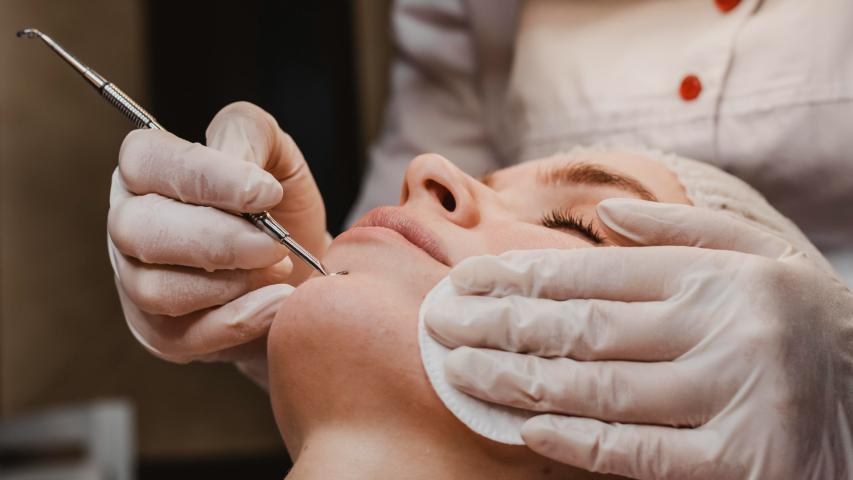
2. Skincare: From Reactive to Proactive
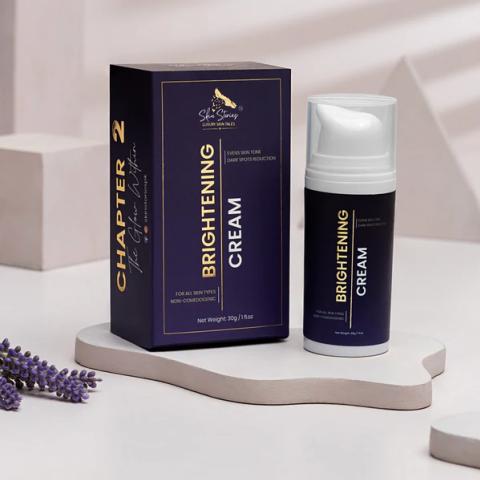
Skincare in 2026 is less about reacting to issues after they appear and more about preventing them before they start. Consumers are looking for products backed by science, simple enough for daily use, and effective across a broad range of skin types.
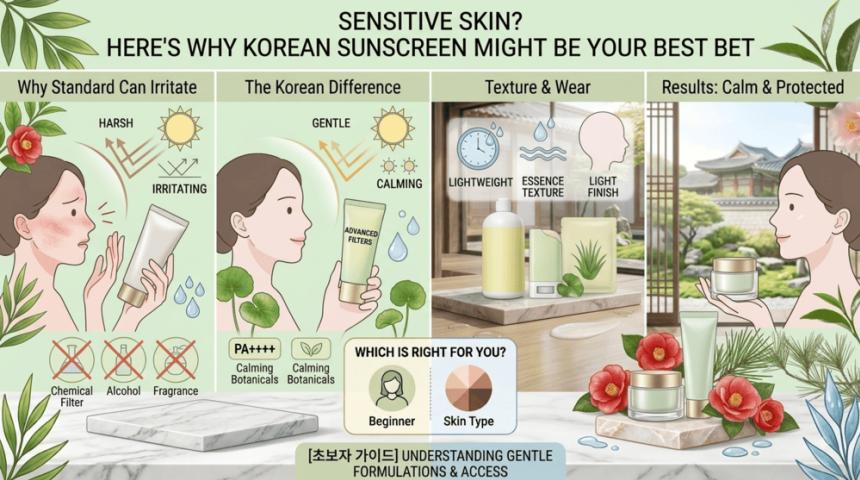
One standout movement is the increasing emphasis on sunscreens designed specifically for sensitive skin. Instead of high SPF as the only selling point, products are being evaluated for how they feel, how they interact with other skincare steps, and whether they cause irritation. This shift represents a smarter, more personalised approach to sun protection.
3. Setting Sprays & Makeup Durability: The Unsung Heroes
While foundations and concealers often grab headlines, one product category quietly skyrocketing in demand is setting sprays. That’s because consumers are growing tired of powdered finishes that settle into fine lines or make skin look flat.
Today’s setting sprays are not just about locking makeup in place, they’re about enhancing the feel and movement of makeup throughout the day. Humidity‑resistant sprays, lightweight mists that hydrate, and formulas that boost radiance are all gaining traction.
Whether your priority is sweat resistance, oil control, or weather protection, the best setting sprays for makeup durability are worth exploring to find a spray tailored to your needs.
4. The Haircare Shift: Supplements, Science, and Subtle Routine Changes
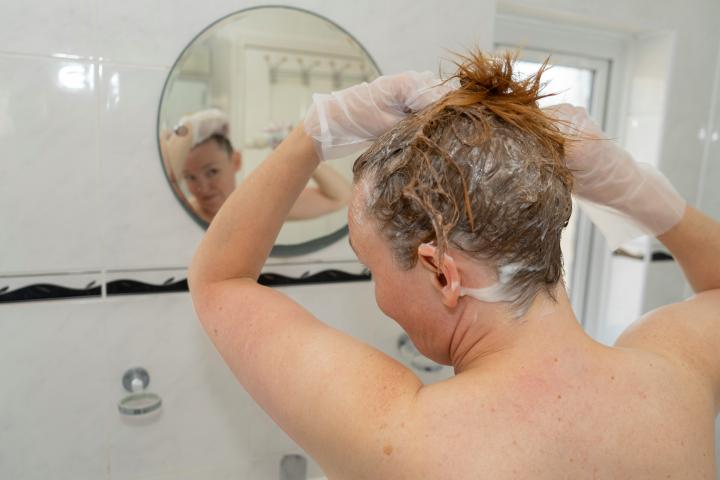
2026 is seeing a large uptick in interest around hair health from the inside out. With more people reporting thinning, breakage, and stress‑related hair changes, one trend stands out: scientifically formulated supplements designed to support hair growth.
But as experts point out, supplements alone aren’t a silver bullet. The most promising results tend to come from people who combine targeted nutrition with consistent topical care and a haircare routine that avoids excessive heat and mechanical stress.
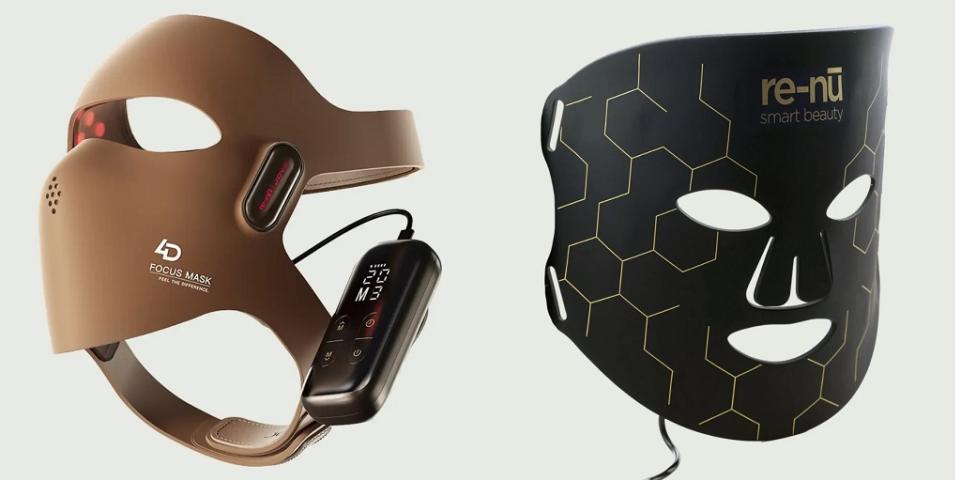
5. Beauty Tech: Advanced Skincare Tools and Devices
Technology continues to influence beauty routines. Devices such as facial cleansing brushes, rollers, and massagers are now commonplace, helping products penetrate deeper and improving overall skin texture.
- Tools with vibration technology and heat therapy are trending.
- Many devices are designed for specific concerns: fine lines, puffiness, or uneven tone.
Integrating these devices with quality products can maximize results for a noticeable glow.
6. Sustainability and Eco-Conscious Consumerism
From refillable packaging to biodegradable formulas, eco-conscious beauty is mainstream. Brands that focus on sustainability are winning loyal customers and driving industry standards forward.
- Refillable skincare bottles and mascara wands.
- Haircare products with eco-certified ingredients.
- Transparent ingredient lists and cruelty-free certifications.
Consumers now view sustainable practices as an integral part of a brand’s identity, not a marketing gimmick.
What’s Driving These Shifts?
So what’s behind all these changes? A few key industry movements:
1. Consumer Experience Comes First
Beauty buyers today are armed with knowledge and community feedback. They don’t just want products, they want results backed by experience, testimonials, and transparent ingredient logic.
2. Science Is More Accessible
Advances in cosmetic science are no longer confined to lab coats. Ingredient transparency, better testing, and accessible education mean consumers can evaluate for themselves what actually works.
3. Holistic Self‑Care Matters
Beauty is no longer a separate “thing.” It’s part of wellness. People are paying attention to how their skin responds to stress, environment, sleep, and nutrition, not just what makeup looks good on photos.
4. Sustainability Isn’t Optional
Brands that champion sustainability, from refillable packaging to cruelty‑free certification, are earning loyalty even when they charge more. It’s now a mainstream preference, not a niche demand.
Final Thoughts: What’s Next in 2026
The beauty landscape in 2026 feels less like a trend cycle and more like a maturity phase where consumers get what they deserve: smarter, more effective, and more personalised products. The era of “best for everyone” is fading, replaced by “best for you.”Whether you’re refining your routine or just curious about the latest in beauty tech, formulas, and real‑world performance, one thing is clear: the conversation is shifting and smarter choices are winning.