The global beauty industry is witnessing a technological shift that is redefining customer experiences. From virtual consultations to doorstep beauty services, digital platforms are revolutionizing how people engage with salons and wellness professionals. For salon founders, the opportunity to digitize their business through mobile apps has never been more promising. A well-designed app not only boosts visibility but also enhances customer loyalty, automates operations, and drives consistent growth.
Understanding the Basics of Beauty App Development
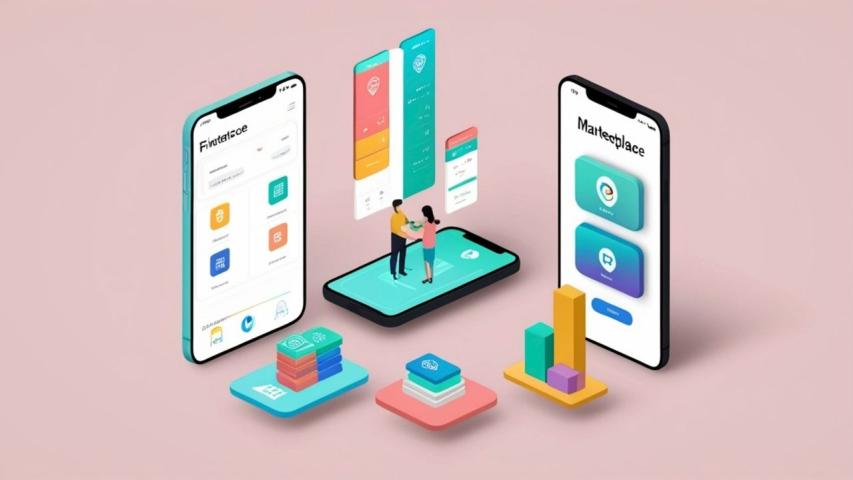
The first step toward building a successful salon app is understanding the fundamentals of beauty app development. It involves creating a digital ecosystem that connects customers, service providers, and salon administrators under one platform. A typical beauty app includes modules for booking appointments, managing stylists, tracking inventory, handling payments, and gathering feedback.
Developers often choose frameworks like Flutter or React Native to build cross-platform apps that work seamlessly on Android and iOS. Integrating technologies like artificial intelligence (AI) and augmented reality (AR) can take user experiences to the next level—offering features like virtual makeup trials or skin tone analysis. Moreover, incorporating analytics tools allows salon owners to track user behavior and personalize services accordingly, ensuring higher engagement and retention.
Defining the Strategy: Plan Before You Build
Before beginning development, salon founders should create a clear strategy that defines the app’s purpose, audience, and unique value. Start with competitive research—study existing beauty apps to identify what works and what doesn’t. Then outline your must-have features, such as online booking, stylist portfolios, push notifications, and digital payment options.
A user-friendly interface (UI/UX) is crucial. Your design should focus on simplicity, easy navigation, and appealing visuals that reflect your brand’s personality. The roadmap must also include scalability—your app should be capable of handling growing traffic as your salon business expands.
How Beauty Salon Mobile App Development Enhances Customer Experience
With the rise of digital-first consumers, beauty salon mobile app development has become a game-changer for salon businesses. Mobile apps give users 24/7 access to salon services, allowing them to browse offerings, check availability, and make instant bookings. This convenience leads to better engagement and repeat business.
Features like appointment reminders, loyalty programs, and referral bonuses encourage customer retention. Additionally, incorporating AR-powered try-on experiences for hair colors or makeup helps customers make informed decisions before visiting the salon. From the salon owner’s perspective, the app simplifies scheduling, manages staff, and reduces administrative workload—enabling better time and resource management.
Cost Breakdown: What to Expect During Development
The cost of developing a salon app varies depending on features, platform selection, and complexity. A basic app with limited features may cost between $20,000 and $40,000, while an advanced app with AI-driven recommendations and AR integrations can exceed $100,000. Additional costs include UI/UX design, backend development, quality testing, and marketing.
Post-launch, ongoing expenses such as maintenance, bug fixes, and feature upgrades should also be considered. Allocating about 20–25% of your initial budget annually for maintenance ensures your app stays updated with the latest technologies and user expectations.
Building a Roadmap for Long-Term Success
Creating an app isn’t a one-time project—it’s a continuous journey of refinement and innovation. A robust roadmap typically includes several key stages:
Research & Ideation: Identify customer pain points and define the app’s value proposition.
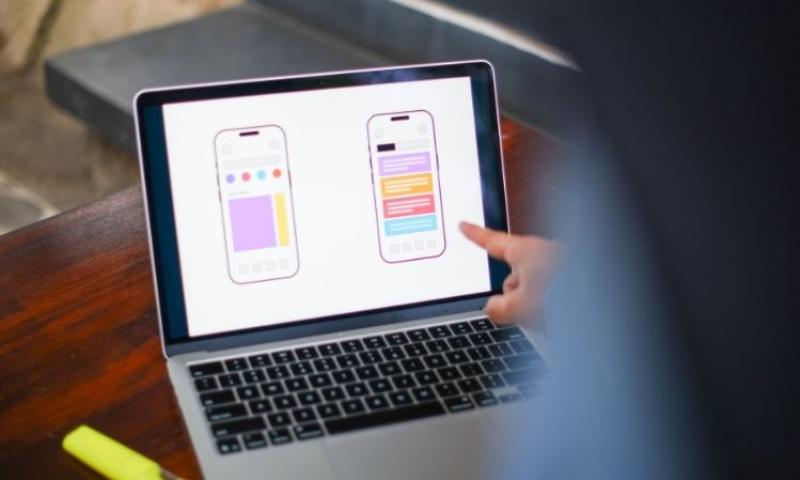
Wireframing & Design: Map out user journeys with intuitive designs.
Development & Integration: Build the app using scalable technologies and integrate APIs for payments, notifications, and tracking.
Testing & Launch: Perform extensive testing to ensure a smooth user experience across devices.
Post-Launch Optimization: Gather user feedback, fix bugs, and introduce new features based on analytics insights.
Expanding Services with On-Demand Beauty App Development
The growing popularity of home-based services has fueled interest in on-demand beauty app development. These apps allow customers to book professional beauticians or stylists at home, offering convenience without compromising quality. For salon founders, integrating an on-demand model means reaching customers who prefer personalized, doorstep experiences.
Key features of an on-demand beauty app include real-time booking, GPS tracking for professionals, secure online payments, and verified service providers. By using dynamic pricing models and personalized recommendations, these platforms cater to both premium and budget-conscious clients. As urban users increasingly value comfort and flexibility, the on-demand model continues to dominate the beauty app market.
Emerging Trends and Technologies
In 2025, the future of beauty apps is being shaped by AI personalization, AR-powered skin assessments, and blockchain-based data security. Subscription-based beauty plans, eco-friendly product recommendations, and voice-activated search are also gaining momentum. Salons that integrate these technologies early will stand out and attract tech-savvy customers.
Final Words
For salon founders, building a mobile app isn’t just about keeping up with trends—it’s about future-proofing their business. With a clear strategy, the right technology stack, and customer-first thinking, a salon app can turn into a growth engine that enhances visibility, simplifies operations, and builds long-term brand loyalty. The beauty industry’s digital transformation is here, and those who innovate today will lead the market tomorrow.