Mobile app development is evolving at an unprecedented pace. As technology
advances, user expectations grow, and businesses compete to deliver seamless
digital experiences, staying updated with the latest trends has become
essential for developers, entrepreneurs, and tech enthusiasts alike. In this
blog, we’ll explore the most recent trends shaping mobile app development in 2026, highlighting technologies, strategies, and approaches that are redefining
the industry.
Artificial Intelligence (AI) and Machine
Learning Integration
Artificial Intelligence (AI) and Machine
Learning (ML) have become fundamental in mobile apps. These technologies allow
apps to provide personalized user experiences, predictive analytics, and
automation features that enhance engagement.
·
Personalized
Recommendations: AI algorithms analyze user behavior to suggest
content, products, or services tailored to individual preferences. For
instance, e-commerce apps like Amazon use AI to recommend products.
·
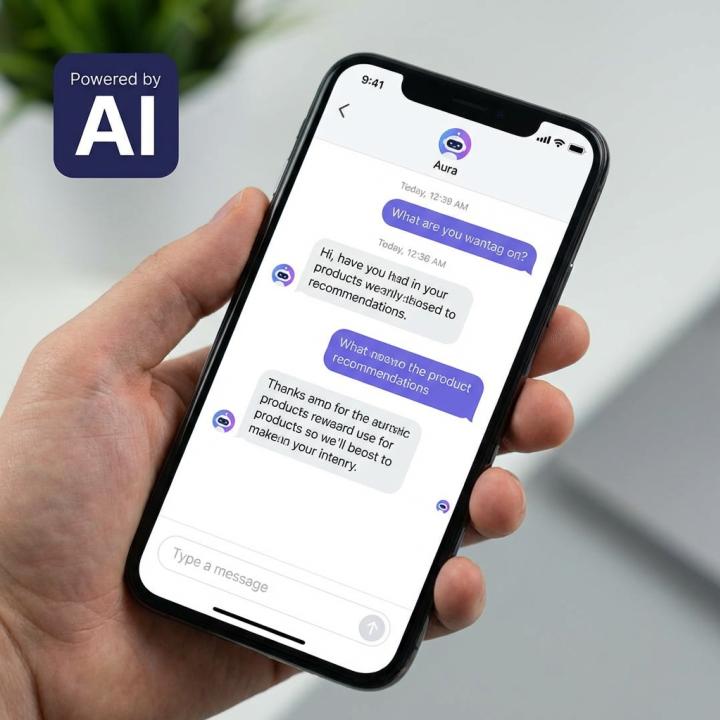
Chatbots
and Virtual Assistants: AI-driven chatbots offer instant customer
support, reducing response times and improving customer satisfaction. Apps like
Siri and Google Assistant demonstrate the power of conversational AI.
·
Predictive
Analytics: ML models predict user behavior, enabling apps to offer
proactive solutions, notifications, or suggestions.
AI and ML are no longer optional; they are key
differentiators in competitive markets, making apps smarter and more
user-centric.
Augmented Reality (AR) and Virtual Reality
(VR) Experiences
AR and VR are revolutionizing the way users
interact with apps. These immersive technologies create engaging experiences,
especially in retail, gaming, education, and healthcare apps.
·
AR for
Shopping: Apps like IKEA Place allow users to visualize furniture in
their homes before purchasing.
·
VR in
Gaming: VR gaming apps offer immersive experiences that increase
engagement and retention.
·
Education
and Training: AR and VR apps simulate real-life scenarios for skill
development and learning.
As device capabilities improve, AR and VR
integration will continue to grow, offering unique interactive experiences that
traditional apps cannot match.
Cross-Platform App Development
Cross-platform development frameworks like Flutter, React Native, and Xamarin
enable developers to create apps that work seamlessly across multiple
platforms, reducing development time and cost.
·
Efficiency:
Developers can write one codebase for both iOS and Android platforms.
·
Consistency:
UI/UX consistency across platforms improves user experience.
·
Faster
Updates: Pushing updates across multiple platforms becomes easier and
faster.
With businesses aiming to reach broader
audiences without excessive costs, cross-platform app development remains a
significant trend.
5G Technology Impact
The global rollout of 5G networks has opened
new possibilities in mobile app development. The faster speeds, lower latency,
and improved connectivity of 5G allow developers to build feature-rich apps
with better performance.
·
High-Quality
Streaming: 5G supports seamless streaming of high-resolution video
content.
·
AR/VR
Integration: 5G enables smooth AR and VR experiences in real-time.
·
IoT
Connectivity: Mobile apps can communicate efficiently with multiple
IoT devices, enabling smart home and wearable applications.
5G is not just a network upgrade; it is a catalyst
for next-generation mobile app experiences.
Mobile Wallets and Payment Integration
With the rise of digital payments, integrating secure mobile wallets into apps has become essential. Payment solutions like Apple Pay, Google Pay, and PayPal provide users with convenient and safe transaction methods.
·
Seamless
Checkout: Users can complete transactions within seconds without
leaving the app.
·
Enhanced
Security: Tokenization and biometric authentication protect sensitive
information.
·
Global
Reach: Apps with integrated payment solutions can cater to
international customers efficiently.
Mobile payment integration is crucial for
e-commerce, fintech, and service-based apps seeking to improve conversion rates
and customer satisfaction.
Internet of Things (IoT) Integration
IoT-enabled mobile apps allow users to control
and monitor smart devices directly from their smartphones. From wearable
fitness trackers to home automation systems, IoT integration is becoming
standard in mobile app development.
·
Smart
Homes: Apps control lighting, temperature, security, and appliances.
·
Healthcare:
Apps monitor vital signs through connected medical devices.
·
Industrial
Applications: IoT-enabled apps help monitor machinery and optimize
operations.
IoT integration ensures that apps can interact
with the growing ecosystem of smart devices, providing convenience and
efficiency.
Enhanced App Security
As mobile apps handle sensitive user data,
security remains a top priority. Developers are increasingly adopting advanced
security measures to protect users from data breaches and cyber threats.
·
Biometric
Authentication: Fingerprint and facial recognition enhance app
security.
·
End-to-End
Encryption: Encrypting data during transmission ensures confidentiality.
·
Regular
Security Updates: Continuous monitoring and updates protect against
emerging threats.
Apps that prioritize security build trust,
which is critical for user retention and brand reputation.
Progressive Web Apps (PWAs)
Progressive Web Apps combine the best of web
and mobile apps, offering fast loading times, offline functionality, and
app-like experiences without installation.
·
Lightweight
and Fast: PWAs reduce storage requirements and load quickly.
·
Offline
Functionality: Users can access content even without internet
connectivity.
·
Cross-Platform
Compatibility: PWAs work on multiple devices and platforms.
PWAs are particularly attractive for
businesses aiming to deliver mobile experiences without heavy development
costs.
Voice Search and Voice-Enabled Apps
With the popularity of voice assistants,
voice-enabled apps are gaining traction. Integrating voice search and commands
enhances accessibility and user convenience.
·
Hands-Free
Operation: Users can perform actions without touching the device.
·
Accessibility:
Voice commands make apps more accessible to users with disabilities.
·
Faster
Interaction: Voice reduces typing effort and speeds up navigation.
Voice technology is shaping the way users
interact with apps, and its integration is becoming a key trend.
App Analytics and Personalization
Data-driven insights allow developers to
understand user behavior and improve app performance. App analytics tools track
engagement, retention, and user preferences, enabling personalized experiences.
·
Behavior
Tracking: Understand which features are most used.
·
Targeted
Content: Deliver content and offers tailored to user interests.
·
Performance
Optimization: Identify and fix performance bottlenecks.
Personalization based on analytics ensures
that apps remain relevant and engaging, increasing long-term retention.
Cloud-Based Mobile Apps
Cloud technology enables apps to store data
and run processes remotely, improving scalability and accessibility.
·
Reduced
Storage Needs: Users can access app data without consuming device
storage.
·
Seamless
Syncing: Cloud-based apps sync data across devices in real-time.
·
Enhanced
Collaboration: Teams can collaborate using shared app resources.
Cloud integration is a trend that ensures apps
are scalable, efficient, and user-friendly.
On-Demand Apps
On-demand apps, like ride-hailing and food
delivery apps, are increasingly popular due to convenience. Businesses are
investing in apps that provide instant services to meet consumer demands.
·
Instant
Services: Users receive services quickly with minimal effort.
·
Geolocation
Features: GPS integration allows real-time tracking and delivery.
·
Scalable
Platforms: On-demand apps can expand to multiple services and regions.
The on-demand model is influencing mobile app
development, emphasizing speed, convenience, and usability.
Conclusion
Mobile app development is constantly evolving,
driven by advancements in AI, AR/VR, 5G, IoT, and cloud technologies. Staying
updated with these trends is essential for developers and businesses aiming to
create engaging, secure, and high-performing apps. From personalized AI-driven
experiences to voice-enabled interfaces and cross-platform solutions, the
future of mobile apps is dynamic, innovative, and user-focused.
By embracing these trends, developers can build apps that not only meet user expectations but also set new standards in digital experiences.