In 2026, the question is no longer whether mobile matters. It’s whether your business is ready for what mobile has become.
Smartphones are now the first screen people check in the morning and the last one they put down at night. Customers use apps to shop, book services, track deliveries, learn new skills, manage finances, and even control their homes. For businesses, this shift has changed expectations. Speed, personalization, and convenience are no longer bonuses — they are basic requirements.
At the same time, mobile apps are no longer simple digital brochures. With the rise of AI Development Services, modern apps can analyze user behavior, predict preferences, automate support, and deliver highly personalized experiences. They are evolving into intelligent platforms that help businesses understand customers better and operate more efficiently. This means launching an app is not just a marketing move — it is a strategic decision.
So, is your business truly ready for a mobile app in 2026? Let’s explore what readiness really means.
The Mobile-First Reality
Look around any café, airport, or office. Almost everyone is holding a phone. People compare prices while standing inside stores. They expect instant booking confirmations. They track orders in real time. They want services to be available anytime, anywhere.
This behavior has reshaped consumer psychology.
Customers now measure brands against the best digital experiences they have ever had. If a food delivery app loads in two seconds, they expect your service app to be just as fast. If they receive personalized recommendations on a shopping app, they expect the same level of relevance everywhere else.
In 2026, having only a website may not be enough. Websites are important, but apps offer deeper engagement. They allow push notifications, offline access, faster loading, and a more personalized user journey.
But before rushing into development, it’s important to step back and ask: does your business model truly benefit from an app?
Beyond Trends: Does Your Business Need an App?
Not every business needs a mobile app. Some industries benefit more than others. The key is to evaluate how customers interact with your brand.
Businesses that often benefit from mobile apps include:
- E-commerce stores with repeat purchases
- Service-based businesses that rely on bookings
- Education platforms with regular content access
- Healthcare providers offering appointment scheduling
- Logistics and delivery companies tracking operations
- Community-based platforms encouraging engagement
If your customers interact with you frequently, an app can strengthen that connection. If interactions are rare or one-time, a well-optimized website might be enough.
The real question is not “Should I build an app?” It is “Will an app improve the customer journey?”
If the answer is yes, then you are on the right path.
Customer Expectations in 2026
Today’s users expect more than functionality. They expect experiences.
An app in 2026 must feel smooth, intuitive, and personalized. Long loading times, confusing navigation, or frequent crashes can quickly damage trust. Customers are quick to uninstall apps that frustrate them.
Personalization is especially important. Users want content and offers that match their interests. For example, a fitness app should recommend workouts based on past activity. A shopping app should suggest products based on browsing history.
Security is another key factor. With growing awareness of data privacy, users want clear policies and secure transactions.
If your business is not ready to meet these expectations, launching an app could do more harm than good.
Internal Readiness: Are You Prepared Behind the Scenes?
Many businesses focus only on the front-end design of an app. But the real challenge often lies behind the scenes.
Before building an app, ask yourself:
- Do we have a clear goal for the app?
- Can our team manage regular updates?
- Do we have customer support systems in place?
- Is our data organized and accessible?
An app is not a one-time project. It requires ongoing maintenance, updates, performance monitoring, and user feedback analysis.
For example, if you launch a booking app but do not have a system to handle increased reservations, customers may face delays. This leads to frustration.
Readiness means aligning technology with operations.
Revenue Opportunities Through Mobile
A well-designed app can open new revenue streams.
Subscription models are becoming popular across industries. Businesses can offer premium features, exclusive content, or loyalty programs inside their apps.
In-app purchases also create opportunities. For example, a retail brand can promote limited-time offers directly through push notifications. A learning platform can sell advanced courses within the app.
Apps also increase retention. When your brand sits on a user’s home screen, it remains visible. Regular engagement increases lifetime customer value.
However, monetization should never feel forced. The user experience must remain the priority.
Data as a Growth Engine
One of the biggest advantages of mobile apps is data.
Apps provide detailed insights into user behavior. You can see how long users stay, which features they use most, and where they drop off. This data helps you refine your strategy.
For example, if many users abandon the checkout process at a specific step, you can investigate and improve that section. If certain features receive high engagement, you can expand them.
In 2026, data-driven decision-making is not optional. It is essential.
The Competitive Landscape
Chances are, your competitors are already exploring mobile solutions. Even traditional industries are adopting digital tools.
Restaurants now offer ordering apps. Gyms provide workout tracking apps. Real estate firms showcase properties through virtual tours.
If competitors offer smoother digital experiences, customers may switch.
However, competition should not push you into rushed decisions. Instead, it should motivate careful planning.
An app built with clarity and purpose will outperform one built in haste.
Choosing the Right Development Approach
Once you decide to build an app, the next step is choosing the right development partner.
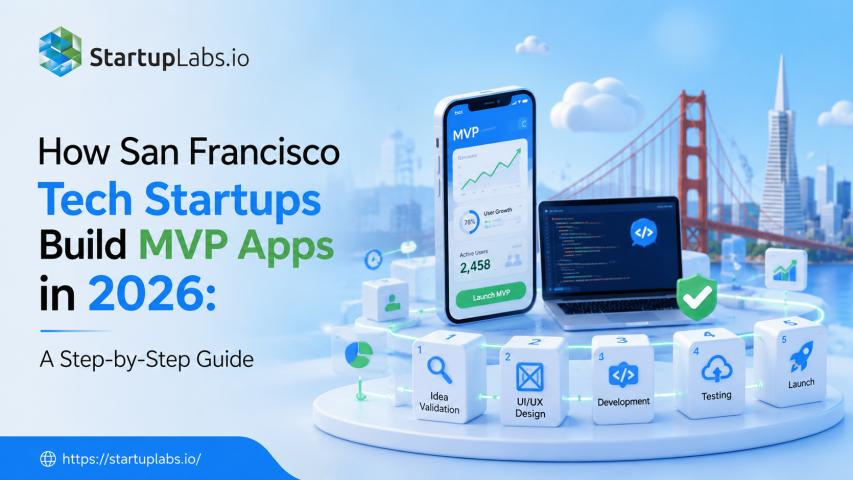
Some businesses start with a basic version, also known as a Minimum Viable Product (MVP). This allows them to test the market before investing heavily.
Platform choice also matters. Should you build for Android, iOS, or both? Your target audience should guide this decision. If your user base includes a high percentage of premium device users, collaborating with an experienced iphone app development company can ensure your app meets platform standards and user expectations.
Cross-platform development is also common today. It reduces cost and speeds up launch time.
The key is balancing quality with scalability.
The Cost Factor: Investment or Expense?
Many businesses hesitate because of cost concerns. Building an app requires investment in design, development, testing, and marketing.
But consider this: what is the cost of not adapting?
If competitors attract your customers with better digital experiences, you may lose revenue over time. An app should be viewed as a long-term investment, not a short-term expense.
Return on investment depends on clear goals. If your app improves retention, increases repeat purchases, or reduces operational costs, it can quickly justify the initial spending.
Marketing Your App in a Crowded Market
Launching an app is only half the journey. Marketing it effectively is equally important.
App store optimization (ASO) plays a key role. Clear descriptions, relevant keywords, and strong visuals increase discoverability.
Encourage existing customers to download the app through email campaigns and social media promotions. Offer incentives like exclusive discounts or early access features.
User reviews also matter. Positive feedback builds credibility. Encourage satisfied users to share their experiences.
Growth does not happen automatically. It requires consistent effort.
Common Mistakes to Avoid
Some businesses build apps without clear strategy. Others overload their apps with too many features at launch.
Common mistakes include:
- Ignoring user feedback
- Neglecting updates
- Compromising on security
- Focusing only on design, not functionality
- Avoid these pitfalls by prioritizing long-term vision over quick results.
The Future of Mobile Apps
Looking ahead, mobile apps will become even more intelligent and connected.
Integration with wearable devices, smart homes, and voice assistants will grow. Real-time personalization will improve. Automation will reduce manual tasks.
Businesses that prepare now will have an advantage.
But readiness is not just about technology. It is about mindset.
Are you willing to adapt? Are you ready to listen to user feedback? Are you prepared to evolve continuously?
These questions matter more than technical features.
Final Reflection: Is the Time Right for You?
In 2026, having a mobile app can strengthen customer relationships, improve efficiency, and unlock new revenue streams. But success depends on preparation.
Your business must have clear goals, operational readiness, and commitment to ongoing improvement. Technology alone does not guarantee growth. Strategy does.
If you decide to move forward, work with a reliable Mobile App Development Company that understands your industry and long-term vision. The right partner will help transform your idea into a scalable and secure platform that supports your business for years to come.
The future belongs to businesses that combine smart technology with human insight. The real question is not whether mobile apps matter in 2026.
It is whether your business is ready to lead — or ready to follow.
Frequently Ask Questions
1. Why does a business need a mobile app in 2026?
Ans: In 2026, customers expect fast, personalized, and mobile-friendly experiences. A mobile app helps improve engagement, retention, and brand visibility while offering better convenience.
2. How do I know if my business is ready for a mobile app?
Ans: Your business is ready if you have clear goals, frequent customer interactions, strong backend systems, and resources for ongoing updates and support.
3. What industries benefit most from mobile apps?
Ans: E-commerce, healthcare, education, logistics, fitness, finance, and service-based businesses benefit greatly from mobile apps due to regular customer engagement.
4. Is building a mobile app expensive in 2026?
Ans: Costs vary depending on features, platform, and complexity. However, a well-planned app can generate strong return on investment through higher customer retention and new revenue streams.
5. Should I build for Android, iOS, or both?
Ans: The choice depends on your target audience. Many businesses choose cross-platform solutions to reach wider users efficiently.