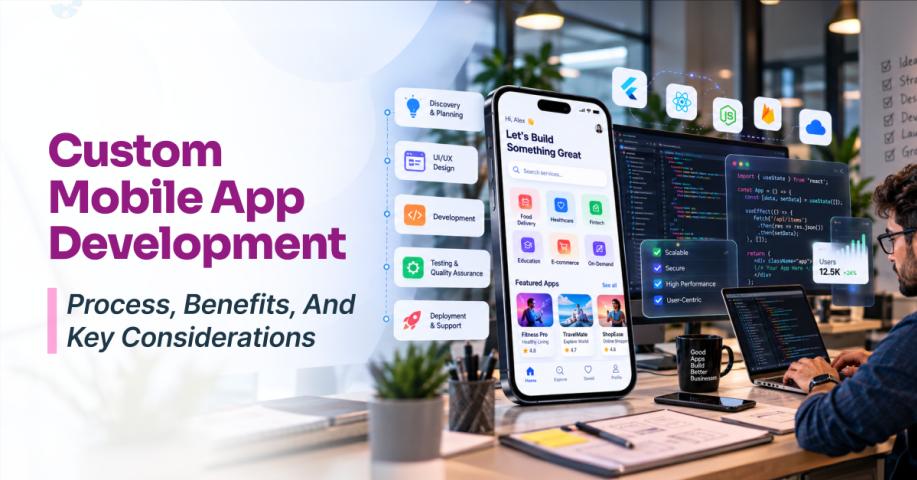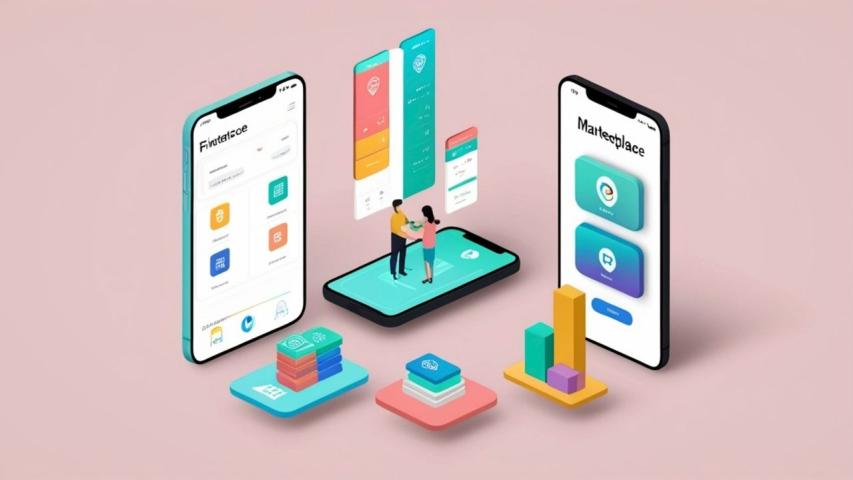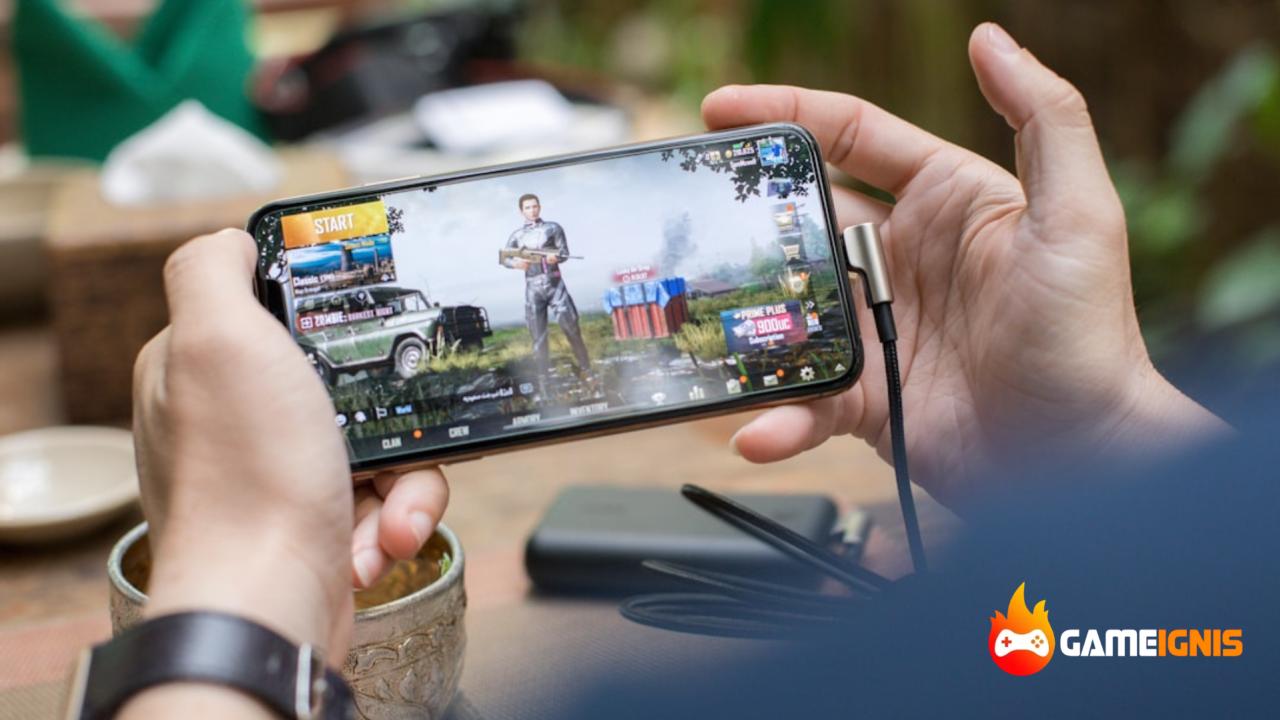
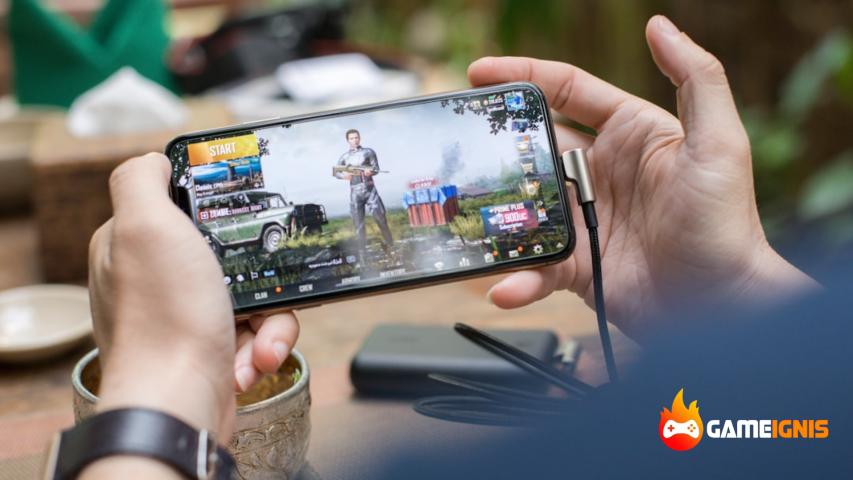
The mobile game market has developed into a multi-billion-dollar ecosystem that is changing how we are all engaging with games every day. Hyper casual puzzle games, multiplayer battle arenas, narrative-led RPGs - there is a successful mobile game out there that is in line with every existing game genre. Every successful mobile game takes on a journey of discovery before going live, so understanding the Mobile Game Development Lifecycle can highlight all the considerations for studios, indie developers and businesses alike, looking to improve upon their user experience. Below we have put together the main landmarks from concept to live operation.
Concept and Ideation
Every game starts with an idea. During this phase, developers are vigorously brainstorming concepts, themes, and fundamental mechanics. Market research is essential—looking at competing titles, player expectations, and trend analysis—will help with project direction. Often, developers will develop a Game Design Document (GDD), which talks about gameplay features, storyline features, art, etc.
Pre-Production and Planning
Once the concept has been validated, it’s time for the team to move into planning. This is where the team decides on the game engine (Unity, Unreal, Godot, etc.), target platforms (Android, iOS, or cross-platform), and resources. Wireframes and rough prototypes are created to test core mechanics and feasibility. Budgets, schedules, and responsibilities are also drawn up, so there are goals for the project. In addition to that, planning reduces uncertainty and speeds up production.
Game Design and Art Production
The design stage of the process takes those ideas and turns them into viable assets. Developers will have decided on the game play mechanics, level design, and progression systems. Artists will start pulling together the world that includes characters, environments, animations, and some UI/UX. The key consideration is that mobile devices don't convey the same amount of information on the screen (i.e, what we can see in the window) thus visual clarity and intuitive design are paramount. Sound design - music, soundtrack samples, effects, and voiceovers can also add a depth of immersion. There are monetization strategies, such as in-app purchases and ads, subscriptions, etc., that are also designed in.
Development (Production Phase)
This is where the actual coding and asset integration begin. Programmers will encode mechanics, physics, AI, and multiplayer if needed. Artists and designers will work together to integrate art and animations, as well as audio, into the game engine. Developers will also integrate backend services like cloud saves, leaderboards, and payment systems. Agile methodologies are often implemented in order to iteratively improve through sprints. This phase involves the most resources; it is the stage that will turn the vision into a product.
Testing and Quality Assurance (QA)
Quality Assurance is important to ensure a smooth player experience. Testing games for bugs and crashes or performance issues will be done across all types of devices and screen sizes, and operating systems. Testing will also include any controls, gameplay balance, monetization systems, etc. Game alpha and beta testing with moderated users can also provide broader feedback to make the product user better before the launch. For mobile games, ensuring the game itself is optimized (e.g., load times, battery usage, memory usage, etc.) is a process equally important to the functional problems tackled with user testing
Launch and Deployment
When the game passes through QA, it will move into publishing. Developers will compile all of the listings for the app stores and will optimize the titles, descriptions, keywords, screenshots, and trailers in order to maximize visibility. That is referred to as App Store Optimization (ASO). In addition to the app store listings, there are marketing campaigns that entail social media placements, influencer partnerships, and/or paid ads in order to support the launch. Depending on the release, games may launch in select regions first (soft launch). The purpose of a soft launch is to take a closer look at performance data (downloads, engagement, retention, monetization, etc.) prior to releasing worldwide.
Post-Launch Support and Updates
The lifecycle of a mobile game does not stop at launch; it starts at launch. After the initial few days post-launch, developers will monitor analytics to track player behavior, retention rates, and revenue. Mobile game developers will make frequent updates to the games that include new levels, seasonal events, and some cosmetic content to engage and delight users. Developers will also employ live-ops. Live-ops can entail anything like daily challenges, daily rewards or incentive systems to encourage long-term play. Developers want to establish loyalty by addressing user feedback and plan on developing patches for bugs. The competition is relentless to keep players and not lose them to their competitors. There are always ways that game developers can improve their games and keep players engaged.
Final Thoughts
Creating a mobile game can be an arduous journey into the world of creativity, technology, and business. Each step in the mobile game lifecycle is critical in achieving a successful game, from ideation through the life cycle, with post-launch activities. By understanding the mobile game development lifecycle: concept, planning, design, development, testing, launch, and updates, developers can create a successful game. Each of these stages has value either in providing entertainment or success in the mobile space.