I’ve been working in blockchain product development for years, and one of the most common questions I get is:
“How do you actually build a blockchain-based gaming platform?”
Not theory. Not hype. The real architecture.
Let me break it down in a practical way.
Define the Game Model First (Before Touching Blockchain)
Blockchain should support the game — not complicate it.
Ask yourself:
- Is this Play-to-Earn?
- NFT-based asset ownership?
- On-chain game logic or hybrid model?
- Skill-based, chance-based, or competitive multiplayer?
For example, if you're building something like Axie Infinity, NFTs and tokenomics are core.
But if you're building a crash->Aviator, you need provable fairness + fast transactions.
Game mechanics come first. Blockchain comes second.
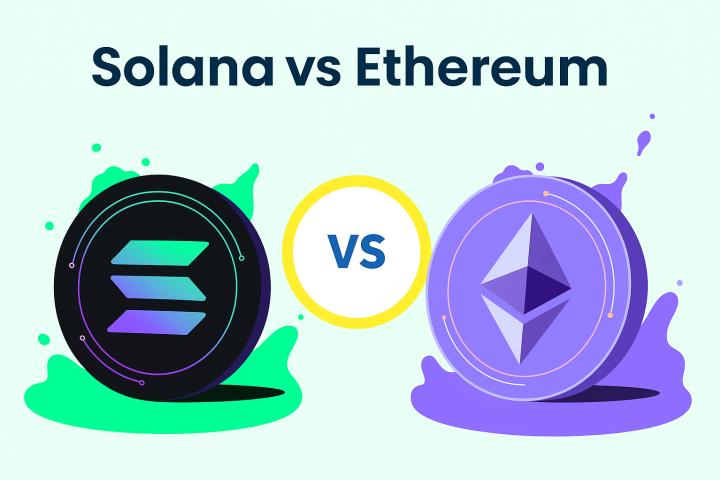
Choose the Right Blockchain
This decision affects cost, scalability, and user experience.
Common choices:
- Ethereum – Secure, but high gas fees.
- BNB Chain – Lower fees, faster transactions.
- Polygon – Popular for gaming due to low fees.
- Layer 2s for scalability if you expect high volume.
For gaming, transaction speed and low fees matter more than anything.
Smart Contract Architecture
Core contracts usually include:
- NFT contract (ERC-721 / ERC-1155)
- Game reward token contract
- Marketplace contract
- Staking / reward distribution logic
- Provably fair mechanism (for betting/crash games)
Security audits are not optional here.
Tokenomics Design
This is where most gaming platforms fail.
You need:
- Controlled token supply
- Emission strategy
- Burn mechanism
- Reward balancing
- Anti-dump design
Poor tokenomics = dead ecosystem in months.
Backend + Game Engine Integration
Blockchain does not handle real-time gameplay well.
So most serious projects use:
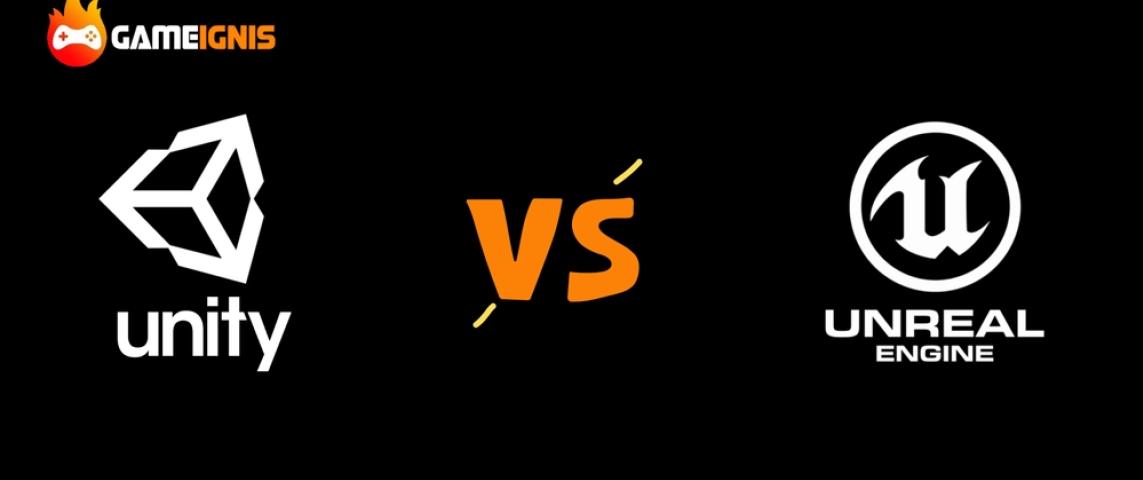
- Unity / Unreal for frontend gameplay
- Off-chain game server
- Blockchain for asset ownership + settlement
Hybrid architecture works best.
Wallet & UX
Mass adoption depends on simplicity.
Options:
- Built-in custodial wallet
- MetaMask integration
- Social login + embedded wallet
- Gasless transactions (relayer setup)
If onboarding takes 10 minutes, users drop off.
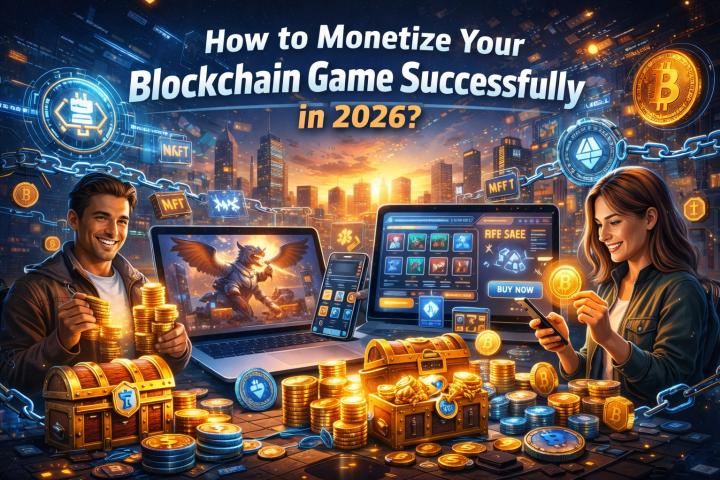
Revenue Model
Common monetization models:
- NFT minting fees
- Marketplace trading fees
- In-game purchases
- Token appreciation
- Tournament fees
Don’t rely purely on token price growth.
Compliance & Legal
Especially important if:
It includes betting elements
- You target US / EU users
- You’re issuing tokens
Gaming + crypto regulation varies widely.
Final Thoughts
Building a blockchain-based gaming platform is not just about adding NFTs to a game.
It’s about:
- Sustainable economics
- Scalable infrastructure
- Secure smart contracts
- Smooth user experience
The projects that win are the ones that feel like great games first — and blockchain products second.
If anyone here is building in this space, I’d love to hear:
Are you going full on-chain or hybrid?
What chain are you choosing and why?
Let’s discuss :- Contact Fourchain for Blockchain Game Development Services