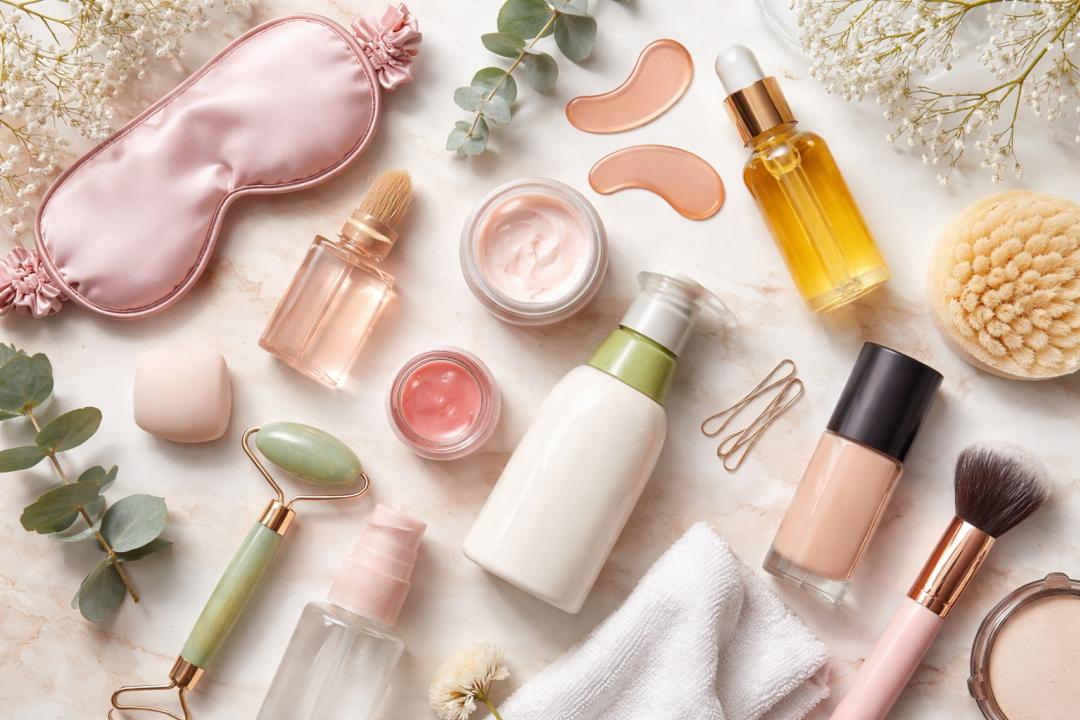
If you’ve ever thought, “I’m doing everything right, so why does my skin still look tired?”, you’re not alone.
You bought the recommended products.
You watched the tutorials.
You even stuck to a routine longer than two weeks (which already deserves applause).
And yet… dark circles linger, breakouts pop up uninvited, hair feels dull, and lips refuse to stay soft.
Here’s the truth most beauty advice skips: it’s rarely about using more products, it’s about using the right ones, in the right way, for your actual life.
Let’s break down the quiet mistakes that sabotage most beauty routines and the small, realistic changes that make a visible difference.
1. You’re Treating Symptoms, Not Causes
Dark circles are a perfect example. Most people throw on an eye cream and hope for miracles. But dark circles don’t come from one place.
They can be caused by:
- Dehydration
- Thin under-eye skin
- Genetics
- Poor sleep habits
- Product irritation
If your eye area looks worse after skincare, it’s often because the formula is too heavy, fragranced, or simply not made for your concern.
A well-formulated option designed specifically for pigmentation and puffiness (rather than generic “anti-aging”) makes a noticeable difference over time, especially when paired with consistent sleep and hydration habits. This is why targeted solutions, like these eye creams for dark circles, tend to outperform multipurpose products when used correctly.
2. You’re Overwashing Your Hair (Even If It’s “Clean”)
Clean hair isn’t the same as healthy hair.
Many people wash their hair frequently to control oil, flakes, or buildup, but end up stripping their scalp in the process. This creates a cycle where the scalp overproduces oil to compensate, leaving hair flat, dry, or irritated.
What actually helps?
- Gentler cleansers
- Fewer harsh sulfates
- Ingredients that support the scalp barrier
Switching to milder formulas, especially those made with plant-based or minimal ingredients, often helps the scalp rebalance itself. Over time, hair looks shinier, softer, and less reactive.
That’s why shampoos formulated without aggressive detergents, like these organic shampoos for healthy hair, are becoming more popular among people dealing with dryness, shedding, or sensitivity.
3. You’re Using Makeup That Fights Your Skin
Foundation should work with your skin, not against it.
If you’re acne-prone, the issue often isn’t how well you cleanse, it’s what sits on your face all day. Heavy formulas, pore-clogging ingredients, and overly matte finishes can trap oil and bacteria, even when your skincare is solid.
Signs your makeup is the problem:
- Breakouts only where foundation sits
- Texture that worsens throughout the day
- Makeup separating around active acne
Lightweight, breathable formulas with skin-friendly ingredients are usually the better long-term choice. The goal isn’t full coverage at all costs, it’s coverage that doesn’t trigger more issues tomorrow.
4. You’re Ignoring the “Boring” Steps
Some of the most impactful beauty habits aren’t glamorous, which is why they’re often skipped.
Things like:
- Consistent lip care (not just when lips crack)
- Removing makeup fully, even when tired
- Applying products to damp skin for better absorption
- Replacing old tools and sponges regularly
Dry, peeling lips aren’t fixed by one overnight balm. They improve when hydration, gentle exfoliation, and daily protection become routine. Lip care works best when treated like skincare, not an emergency fix.
5. You Expect Immediate Results from Long-Term Solutions
This one hurts, but it’s important.
Most effective beauty changes happen quietly:
- Dark circles fade slowly
- Hair health improves over weeks
- Skin texture refines over months
Products that promise instant transformation often rely on temporary effects, heavy silicones, alcohol, or light-reflecting particles that wash off by morning.
Real results come from:
- Consistency
- Realistic expectations
- Products aligned with your actual needs
If something isn’t working after consistent use, it’s okay to reassess, but switching every week usually keeps you stuck in the same cycle.
The Bottom Line
If your beauty routine feels frustrating, it doesn’t mean you’re doing everything wrong.
It usually means:
- You’re following generic advice instead of personalized solutions
- You’re using products that don’t match your skin or hair type
- You’re expecting quick fixes from things that take time
The biggest glow-ups don’t come from adding more steps, they come from simplifying, choosing better formulas, and sticking with what truly works.
Beauty should feel supportive, not stressful. And once your routine starts working with you instead of against you, everything else gets easier.