
Infection prevention is one of the most important responsibilities in nursing homes and long-term care facilities. Elderly residents often have weakened immune systems, making them more vulnerable to infections and contagious illnesses.
To maintain a safe and hygienic environment, care home supplies must use reliable infection control supplies that help reduce the spread of bacteria, viruses, and other harmful pathogens. These supplies protect both residents and healthcare staff while ensuring that facilities meet proper hygiene and safety standards.
Below are the top infection control supplies every care home should use.
Disposable Medical Gloves
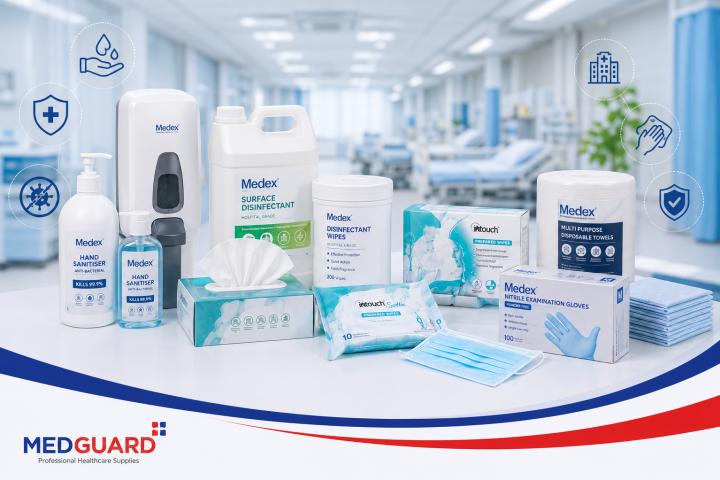
Disposable medical gloves are one of the most essential infection control supplies in healthcare environments. Caregivers use gloves when assisting residents with personal care, wound treatment, and cleaning tasks.
Gloves act as a protective barrier that prevents contact with bodily fluids and contaminated surfaces. Proper use of gloves is a key part of infection prevention protocols in nursing homes.
Hand Sanitizers and Hand Wash Solutions
Hand hygiene is one of the most effective ways to prevent infections in healthcare settings. Alcohol-based hand sanitizers and antibacterial hand wash solutions help eliminate harmful germs from hands before and after resident contact.
Healthcare facilities often place hand hygiene stations at entrances, resident rooms, and treatment areas to encourage regular use by staff and visitors.
Surface Disinfectant Wipes and Sprays
High-touch surfaces such as bed rails, door handles, wheelchairs, and medical equipment can quickly become contaminated. Disinfectant wipes and sprays are widely used to clean these surfaces and eliminate harmful microorganisms.
Regular use of disinfectant products helps maintain a hygienic environment and reduces the risk of cross-contamination in care homes.
Personal Protective Equipment (PPE)
Personal Protective Equipment provides an additional layer of protection for healthcare workers and residents. PPE is particularly important when caregivers are in close contact with residents or handling potentially infectious materials.
Common PPE supplies include:
-
Face masks
-
Protective gowns
-
Disposable aprons
-
Face shields
-
Eye protection
Proper use of PPE significantly reduces the risk of infection transmission in healthcare environments.
Sterilization and Cleaning Supplies
Sterilization products are used to disinfect medical tools and reusable equipment. Proper sterilization ensures that equipment used in patient care does not carry harmful pathogens.
Healthcare facilities commonly use sterilization tools such as autoclaves, cleaning brushes for instruments, and sterilization pouches to maintain safe medical equipment.
Sharps Disposal Containers
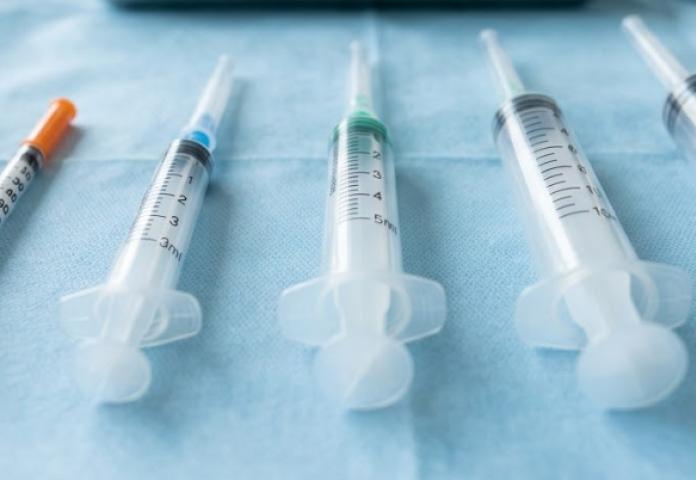
Safe disposal of needles, syringes, and other sharp medical instruments is critical for infection prevention. Sharps containers are puncture-resistant containers designed specifically for the safe disposal of hazardous medical waste.
Using proper sharps disposal systems helps protect healthcare workers and prevents accidental injuries or contamination.
Biohazard Waste Bags
Biohazard waste bags are used for the safe disposal of contaminated materials such as gloves, dressings, and medical waste. These bags are typically color-coded to ensure proper waste segregation in healthcare facilities.
Effective waste management helps prevent the spread of infections and ensures that hazardous materials are handled safely.
Antimicrobial Linens and Protective Bedding
Antimicrobial linens are designed to reduce bacterial growth on frequently used fabrics such as bed sheets, pillowcases, and protective bedding.
These specialized materials help maintain hygiene in resident rooms and reduce the risk of infections spreading through contaminated surfaces.
Isolation and Barrier Equipment
When residents develop infectious illnesses, care homes may need to isolate them to prevent the spread of disease. Isolation equipment such as protective gowns, partition screens, and protective barriers can help separate infected residents from others.
These measures are especially important during outbreaks of contagious diseases.
Conclusion
Infection control is a critical part of maintaining safety and hygiene in care homes. By using essential infection control supplies such as gloves, disinfectants, PPE, and proper waste disposal systems, healthcare facilities can significantly reduce the risk of infections.
Ensuring that these supplies are readily available allows caregivers to maintain clean environments, protect residents, and provide safe, high-quality care. Strong infection control practices not only improve health outcomes but also create a safer and more reliable care environment for everyone in the facility.
Source Article :- https://hackmd.io/@yh6AZ7PLRDKF6Rlax6QKdA/SyH2a0stbx