In recent years, the growth of digital payments in India has revolutionized how everyday transactions happen. Among these, mobile recharge software development plays a crucial role in empowering digital retailers to expand their businesses and offer seamless recharge services to millions of customers. This technology has transformed retail shops, small kiosks, and online platforms into dynamic hubs for mobile recharges, bill payments, and more.
This article explores how mobile recharge software development is changing the face of digital retail businesses, highlighting key benefits, emerging trends, and reasons why it is vital for growth in today's digital economy.
What is Mobile Recharge Software?
Mobile recharge software is a digital platform or application that allows retailers and customers to perform prepaid and postpaid mobile recharges instantly. It connects with multiple telecom operators through APIs, enabling real-time processing of recharge transactions.
Retailers use this software to serve customers quickly and efficiently, while customers enjoy the convenience of immediate recharges without visiting a telecom store.
How Mobile Recharge Software Development is Driving Business Transformation
1. Expanding Business Opportunities for Retailers
Mobile recharge software provides retailers with an easy-to-use interface to offer recharge services for various telecom operators. This opens up multiple revenue streams for them by:
-
Serving a wider customer base with diverse operator options
-
Offering value-added services like DTH recharge, data card recharge, and utility bill payments
-
Earning commissions on every successful recharge
This software development equips even small shop owners with digital tools to compete in a growing market.
2. Real-Time Transactions and Instant Confirmations
Modern mobile recharge software uses advanced API integration to connect directly with telecom operator servers. This means every recharge request is processed in real-time, giving instant confirmation to the retailer and customer.
This speed and reliability improve customer satisfaction and build trust, encouraging repeat business and referrals.
3. Multi-Operator and Multi-Service Support
Today’s mobile recharge platforms support a wide range of telecom operators such as Airtel, Jio, Vodafone Idea, and BSNL, among others. Retailers can also provide related services like DTH recharges, broadband payments, and other utility bill payments.
This multi-service capability increases the scope of business and makes the software a one-stop solution for all recharge and payment needs.
4. User-Friendly and Mobile-Optimized Interfaces
Mobile recharge software is often designed to be simple and mobile-friendly. Retailers can operate the software from smartphones or tablets, making it easy to serve customers anywhere, anytime.
This flexibility is especially useful in rural and semi-urban areas, where digital literacy might be limited but smartphone penetration is rising rapidly.
5. Robust Security Features
Security is critical in digital transactions. Mobile recharge software developers focus on incorporating secure payment gateways, data encryption, and user authentication to protect retailers and customers from fraud.
Safe transactions help build confidence among users and encourage digital adoption.
6. Automated Commission Tracking and Reporting
For retailers managing multiple agents or sub-dealers, mobile recharge software offers automated commission management. Retailers can easily track earnings from each recharge and generate reports for better financial control.
Such features reduce manual errors and save time, allowing retailers to focus on business growth.
Why Mobile Recharge Software is Vital for Digital Retailers
Digitalization of Payments
India is moving rapidly toward a cashless economy. Mobile recharge software supports this transition by enabling retailers to accept digital payments through UPI, wallets, net banking, and cards.
This broadens customer choices and reduces dependence on cash, improving transaction safety and efficiency.
Access to Wider Customer Base
With mobile recharge software, retailers can reach customers beyond their physical store location through online portals or apps. This helps expand their business footprint and increases revenue potential.
Emerging Trends in Mobile Recharge Software Development
Integration with Other Fintech Services
Many mobile recharge platforms are now integrating with AEPS (Aadhaar Enabled Payment System), BBPS (Bharat Bill Payment System), and money transfer services to offer comprehensive financial solutions.
This multi-service approach helps retailers provide more value to their customers and stand out in a competitive market.
Cloud-Based Software Solutions
Cloud technology is being widely adopted to host mobile recharge platforms, offering better scalability, uptime, and reduced infrastructure costs.
Cloud-based software also ensures quick updates and easy maintenance, keeping retailers up-to-date with the latest features.
AI and Chatbot Support
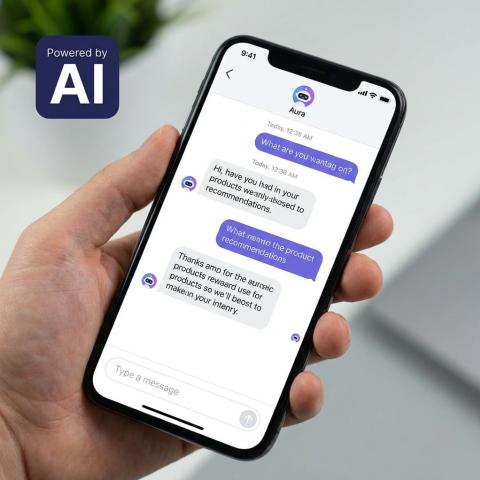
To improve customer service, some platforms are integrating AI-powered chatbots that assist retailers and customers with queries, troubleshooting, and transaction guidance in real-time.
This reduces waiting times and enhances the overall user experience.
How Retailers Can Choose the Right Mobile Recharge Software
When selecting mobile recharge software, retailers should look for:
-
Reliable API integration with multiple telecom operators
-
User-friendly interface accessible on mobile and desktop
-
Strong security features to protect payments and data
-
Support for multiple payment methods
-
Automated commission tracking and easy-to-use reporting tools
-
Customer support and timely software updates
-
Scalable architecture, preferably cloud-based
Choosing the right software helps retailers build trust, streamline operations, and increase profitability.
Conclusion
Mobile recharge software development has become a game-changer for digital retailers in India. It empowers them with tools to deliver fast, reliable, and secure recharge services, enhancing customer satisfaction and opening new business avenues.
As the Indian digital payment ecosystem expands, mobile recharge platforms that incorporate advanced features like multi-service support, mobile optimization, cloud hosting, and AI assistance will continue to transform retail businesses and contribute to the country’s digital economy.
For retailers looking to stay competitive and grow, investing in robust mobile recharge software is no longer optional—it’s essential.