
Hiring the right talent can define the trajectory of a startup. Traditional resumes and interviews are giving way to more dynamic, data-driven, and human-centric methods. Startups, often constrained by time and resources, are leading the charge in adopting innovative candidate selection practices that prioritize potential over pedigree.
1. Skills-Based Hiring Over Resumes
Rather than filtering candidates by degrees or previous job titles, many startups now use skills assessments to evaluate actual capabilities. Platforms like Vervoe, TestGorilla, or Codility allow recruiters to simulate real job tasks, offering insight into how a candidate will perform in the role from day one.
Why it works: It reduces unconscious bias, improves diversity, and ensures candidates can truly do the job—not just talk about it.
2. Structured Interviews for Predictive Validity
While unstructured interviews often rely on gut feelings, structured interviews ask every candidate the same questions, scored with predefined rubrics. This method, proven by research to be more predictive of job success, is now easier to implement with interview platforms like BrightHire or Metaview.
Why it works: It increases fairness, helps track what works over time, and provides documentation to support hiring decisions.
3. Culture Add vs. Culture Fit
Instead of hiring people who “fit” the existing culture (which can lead to homogeneity), startups are shifting to “culture add” — hiring individuals who align with core values but bring unique perspectives and experiences that enrich the team.
Why it works: It fosters innovation, mitigates groupthink, and builds resilient, inclusive teams.
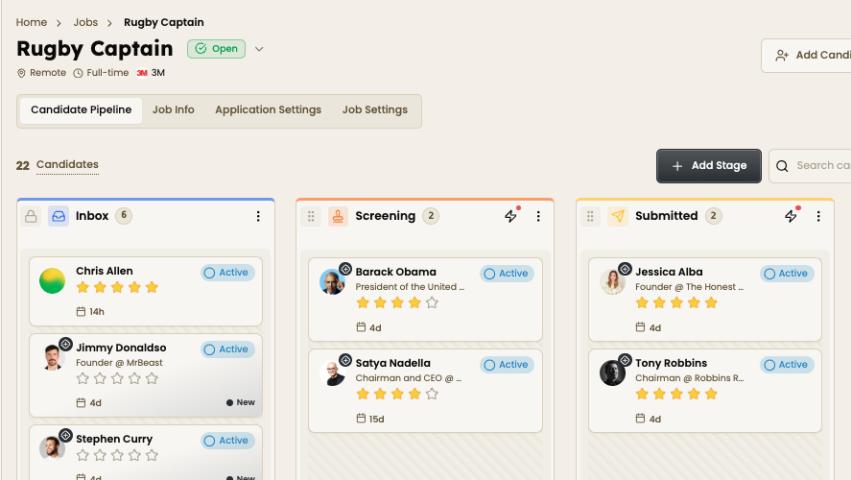
4. AI and Data-Driven Screening
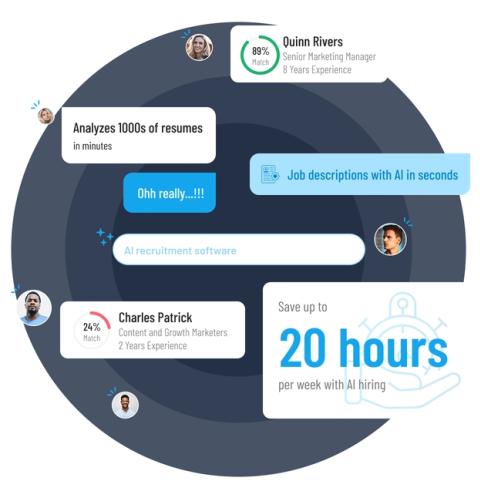
Artificial intelligence is now capable of analyzing language patterns, assessing sentiment, and ranking candidates based on job-specific competencies. Tools like HireVue or Pymetrics help startups handle high application volumes without losing human insight.
Why it works: It saves time, surfaces hidden talent, and enhances decision-making with objective data.
5. Trial Projects and Freelance-to-Full-Time Pathways
Instead of full-time hires, some startups start with contract-based work or trial projects. This model lets both parties test the working relationship before committing fully — a smart move for early-stage companies.
Why it works: It’s low-risk, increases transparency, and leads to better long-term matches.
Conclusion
Startups thrive on agility and innovation — qualities that should be reflected in how they build their teams. By embracing these modern candidate selection methodologies, startups can not only hire more effectively but also build a workforce that is diverse, dynamic, and driven to grow with the company.