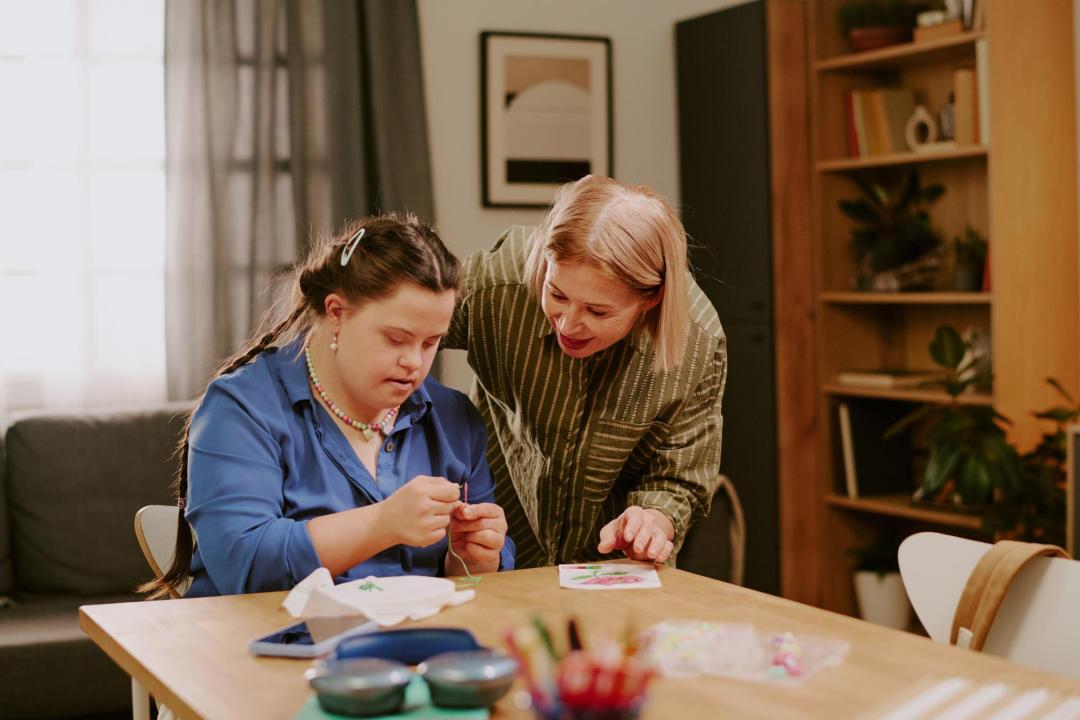
Living with a disability can make daily activities hard. Tasks like cooking, cleaning, or getting dressed may take extra time or help. The National Disability Insurance Scheme (NDIS) offers support through shared living. This helps people live more independently while getting help with daily tasks.
This blog explains the NDIS daily task share living and how it works. It also looks at options available in Melbourne, where many people use these services.
What Is NDIS Daily Task Share Living?
NDIS daily task share living means living in a home with other people who also get support. Everyone usually has their own bedroom but shares the kitchen, lounge, and bathroom. Support workers help with daily tasks based on what each person needs.
Help may include:
Cooking meals
Showering or getting dressed
Cleaning and laundry
Taking medicine on time
Getting to appointments or social events
The aim is to support independence, not to take over your life.
How Does It Work?
In shared living homes, support workers are there to help during set hours or all day and night, depending on what you need. They help you with tasks but also encourage you to do things yourself when possible.
Support changes as your needs change. You work with the support team and your family to decide what help you want and when.
Living with others gives you company. It also means help is close by if something goes wrong.
Benefits of NDIS Daily Task Share Living
Living in shared homes offers many benefits:
Social Life: You can make friends and join in group activities.
Safety: Staff can help in emergencies. Homes are safe and easy to get around.
Routine: Support helps keep regular mealtimes and medication.
Learning: Staff help you learn skills like cooking and cleaning.
Flexible Help: Support changes as you grow more confident or need more help.
These benefits improve quality of life. People feel happier and more connected.
NDIS Daily Task Share Living in Melbourne
Melbourne has many NDIS daily task share living options. Providers here know how to support people from many cultures and backgrounds.
Shared homes often sit near buses, trains, shops, and parks. This helps residents get out and join the community.
Some providers focus on specific needs, like helping people with mental health issues or autism. Others help those recovering from injury.
Melbourne offers many activities that make shared living more enjoyable. This includes social groups, sports, and learning classes.
How to Get NDIS Daily Task Share Living Support
Supports like NDIS daily task share living come from your NDIS plan. You can ask for these services when planning your support or reviewing your plan.
Picking the right provider is important. Find one that listens to you and understands your needs. They should communicate clearly and offer flexible help.
Your NDIS planner or Support Coordinator can help you find providers near you, including those in Melbourne.
What to Expect from Your Provider
A good NDIS service provider will:
Have trained staff who know about disability support
Respect your choices and independence
Offer flexible care that changes with your needs
Work with your family and carers
Keep your home safe and comfortable
You should feel safe, respected, and supported.
Common Questions About NDIS Daily Task Share Living
Is shared living right for me?
It’s a good fit if you want support but also want to be independent and social.
Will I have my own space?
Yes. You get a private bedroom and choose how much time you spend with housemates.
Are support workers always there?
It depends on your needs. Some homes have staff 24/7, others have support at set times.
Can I pick who I live with?
Providers try to match people with similar needs and interests.
Living Well with Support
Daily tasks can feel hard without help. NDIS daily task share living gives support that fits your needs. It helps you live safely and confidently.
In Melbourne, many people use these services to enjoy life and grow skills. Support workers help with daily routines and encourage independence.
Shared living is not just about help. It’s about belonging and making life better everyday