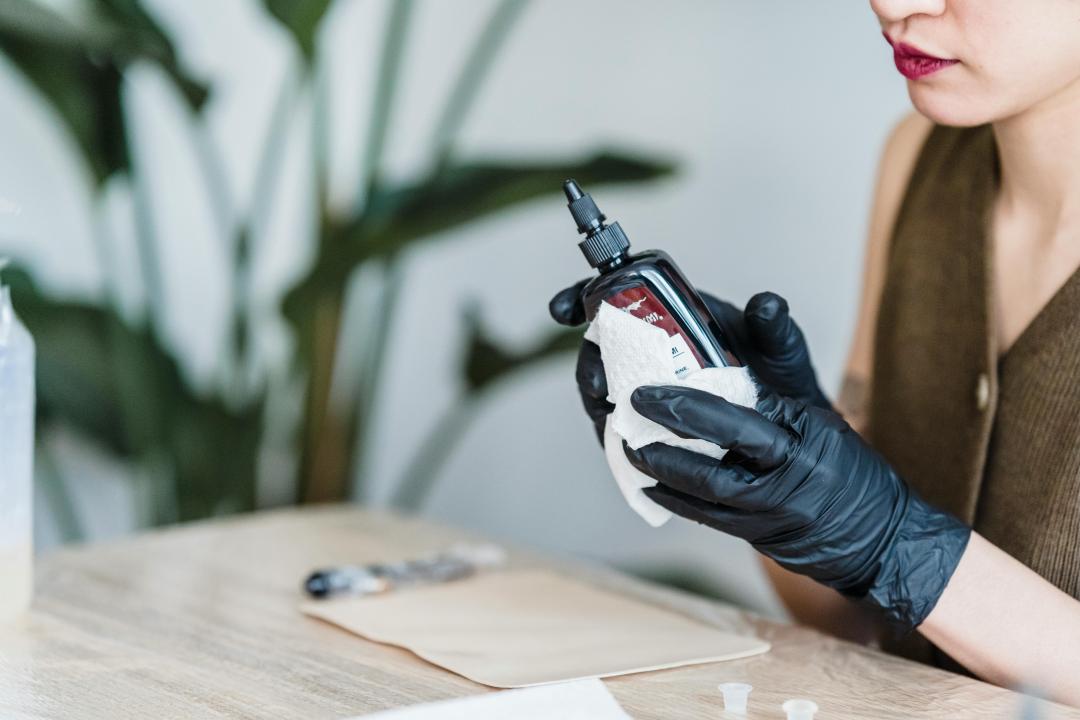
Tattooing is an art form that leaves a permanent impression on the skin. But behind the ink and creativity lies a crucial responsibility: maintaining the highest standard of hygiene. When it comes to tattooing, the safety of every client depends on how well the tools are cleaned and sterilized. Poor hygiene practices not only compromise the final result but also risk the health of both client and artist.
Ensuring that tattoo equipment is properly cleaned is not a choice—it’s an essential part of every professional studio’s daily routine. This process is far more than wiping down surfaces or rinsing tools. It involves a structured and detailed cleaning and sterilization procedure that eliminates any chance of infection, cross-contamination, or disease transmission.
Let’s break down why cleaning tattoo equipment is non-negotiable and how the right tattoo cleaning supplies and sterilization methods protect everyone involved.
The Serious Risks of Poor Hygiene in Tattooing
Tattooing involves breaking the skin’s surface, which creates a direct path for bacteria, viruses, and other pathogens to enter the body. If the equipment isn’t thoroughly cleaned, there's a high risk of transmitting infections such as hepatitis B, hepatitis C, staph, and HIV.
Even minor negligence in sterilization can result in serious consequences like allergic reactions, skin infections, and long-term scarring. No client ever wants to leave a studio with more than just a tattoo—they expect a clean, professional, and safe environment.
Core Reasons to Prioritize Cleaning Tattoo Equipment
1. Client Safety Comes First
The number one priority in any tattoo studio should be the health and safety of clients. Using sterile tools, disposable gloves, and a clean working space ensures that every procedure minimizes health risks.
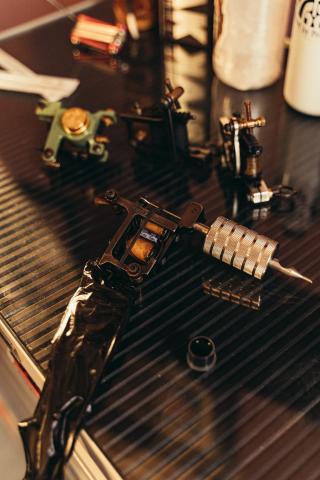
When cleaning tattoo equipment, artists must follow strict protocols to make sure every needle, tube, and machine component is completely disinfected before use. Tattoo machine sterilization plays a vital role in this process, especially when reusable components are involved.
2. Professional Reputation and Compliance
Studios that fail to use proper tattoo sterilization supplies or skip steps in cleaning tattoo machines risk damaging their reputation. In many regions, health departments conduct inspections, and failing to meet hygiene standards can lead to fines, license suspension, or business closure.
Operating with professionalism means knowing how to clean tattoo machines and being consistent with sterilizing equipment for tattoo procedures. Clients often ask about cleanliness, and a transparent process can give them peace of mind.
3. Longevity of Equipment
Proper maintenance and cleaning also ensure the longevity of tattoo equipment. Using high-quality tattoo gun cleaner helps keep delicate machine parts free from ink buildup and corrosion. This not only maintains performance but also avoids costly repairs or replacements over time.
Cleaning tattoo machines after every session protects their functionality and keeps them running smoothly.
Step-by-Step: How to Clean a Tattoo Gun Safely
Understanding how to clean a tattoo gun involves more than wiping it down. Here’s a basic rundown that every professional should follow:
Disassemble the Machine: Take apart the tattoo gun, separating the needle, tube, grip, and other components.
Initial Rinse: Rinse parts under warm water to remove visible ink and blood.
Soak in Disinfectant: Use a hospital-grade disinfectant specifically made for cleaning tattoo equipment.
Ultrasonic Cleaning: An ultrasonic cleaner helps remove tiny particles from hard-to-reach spots.
Autoclave Sterilization: After cleaning, place the metal components into an autoclave. This step is essential for full tattoo machine sterilization.
Dry and Store: Once sterilized, let the equipment dry on sterile paper or trays. Store in sealed packaging until the next use.
Every step should be documented and completed using proper tattoo cleaning supplies that meet health standards.
What Supplies Are Needed for Safe Cleaning?
A professional studio must be stocked with the right materials for efficient sterilization and cleaning:
Tattoo gun cleaner solutions designed for ink removal
Ultrasonic cleaning tanks for deep cleaning
Autoclaves for complete sterilization
Disposable gloves and aprons for infection control
Biohazard waste containers for safe disposal
Disinfectant wipes and sprays for surfaces
Brushes and cleaning rods for scrubbing tools
Using appropriate tattoo sterilization supplies ensures no shortcuts are taken in hygiene. These are not optional—they’re essential tools for running a responsible and compliant tattoo business.
How to Maintain a Clean Studio Environment
Beyond just the tools, the entire workspace must follow strict cleanliness rules. Chairs, trays, and surfaces must be wiped down with disinfectants between clients. Artists should wash their hands thoroughly and change gloves frequently. Needles and ink caps must be single-use, and all waste should be properly discarded.
Even floor cleanliness and air circulation play a role in maintaining a sterile environment. A clean studio doesn’t just look good—it builds trust with clients and helps reduce liability.
What Clients Expect—and Deserve
Today’s clients are more informed and cautious than ever. They ask about the cleaning process, inspect the workspace, and want to see new needles being opened in front of them. Meeting these expectations isn't just about business—it’s about ethics.
Clients deserve to know that the person tattooing them understands how to clean tattoo machines and takes every precaution with tattoo sterilization supplies. Any hesitation or lack of transparency can lead to doubt—and lost business.
Conclusion: Cleanliness is a Standard, Not an Option
Every tattoo is permanent, and so are the consequences of poor hygiene. That’s why cleaning tattoo equipment thoroughly and consistently is non-negotiable in this industry. Using the correct tattoo cleaning supplies and following proper sterilization protocols protect the client, the artist, and the studio’s reputation.
There’s no shortcut to safety. Whether you’re a seasoned tattoo professional or just opening your first studio, never compromise on cleanliness. Use approved sterilization tattoo techniques, know how to clean a tattoo gun, and always keep your tools and space prepared for safe, professional tattooing.
Also Read : Tiny Tattoo Course for Beginners: What to Expect