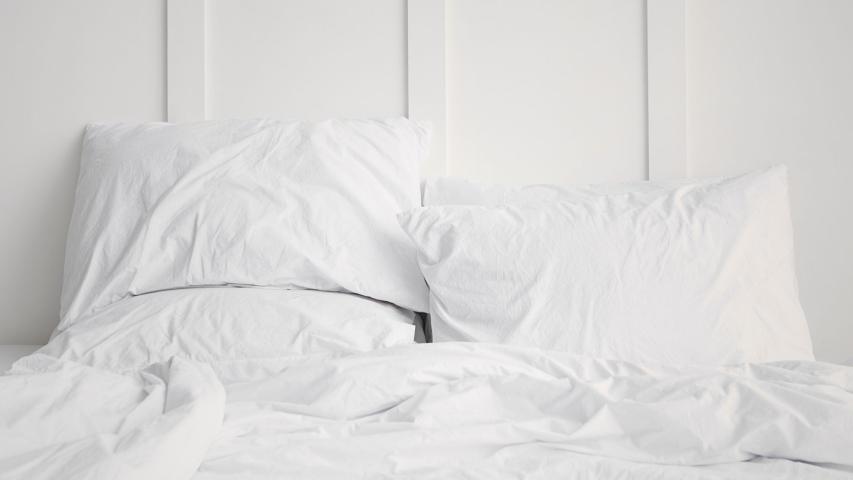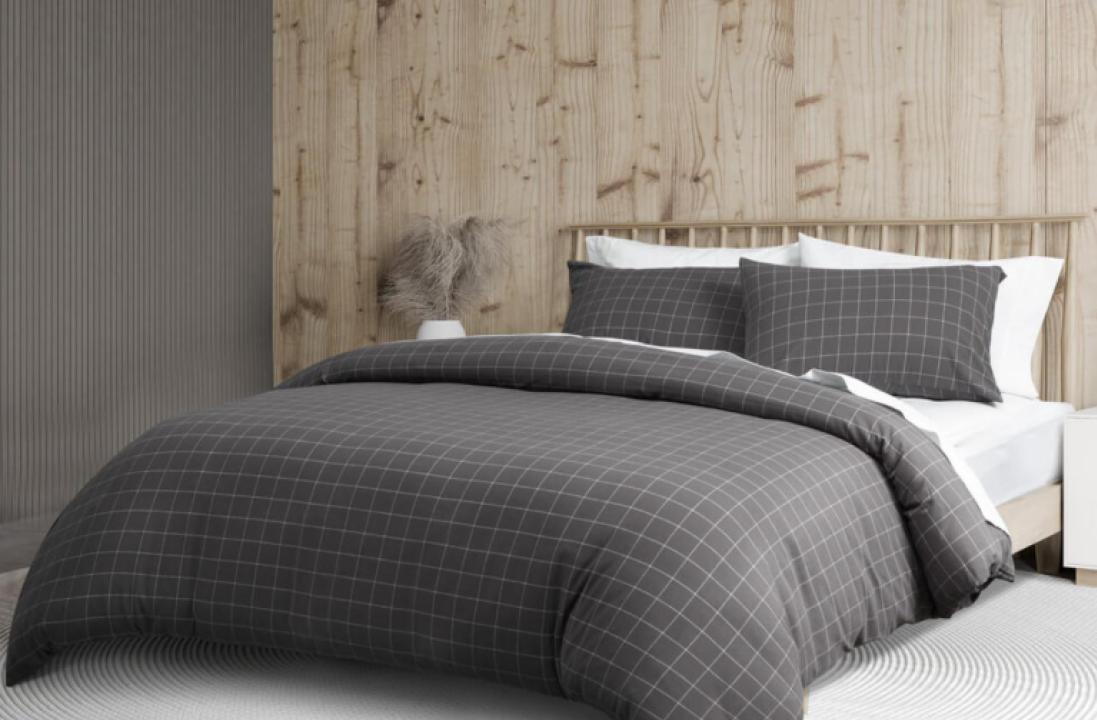
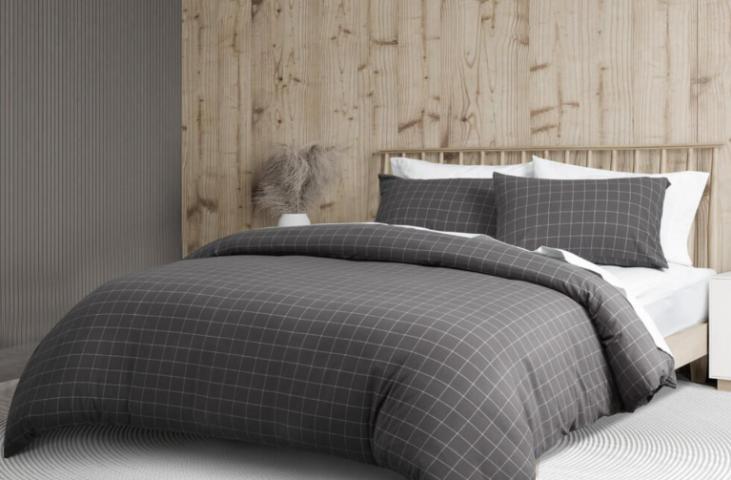
Selecting the appropriate bedding is critical if one is to sleep comfortably and peacefully. Of the two popular alternatives to duvet covers, it has some advantages to present to the user: cotton and flannel duvet cover. Cotton presents with breathability and flexibility to use all year round, while flannel, with its warmth and comfort, is optimal for winter. Personal preferences, weather, and sleeping patterns determine your decision. In this guide, we will examine flannel and cotton duvet covers across the main characteristics, including comfort, endurance, and maintenance. Whether you give crispness or cosiness top consideration, knowing these distinctions will aid in your wise choice. Let's investigate which fabric for beds matches your demands best.
Warmth and Insulation
Because of its great heat-retaining abilities, flannel is a popular winter bed choice. The brushed fibres produce minute air pockets that trap heat, hence keeping you pleasantly toasty even on the coldest nights. For those who usually feel chilly at night, this is thus a great alternative. Though not as insulating as flannel, cotton is a good temperature control. It helps air to flow, so avoiding summer overheating, but still giving modest warmth in colder temperatures. Cotton's balanced approach to temperature regulation is a big benefit for those who live in milder climates or sleep hot. Whether you give more weight to maximum warmth or flexible comfort will determine your choice between the two.
Moisture Management and Breathability
Cotton's breathability is great; it draws sweat away from your skin to bring coolness and dryness. This makes it especially advantageous for hot sleepers or wet environments. Its organic fibres allow for great ventilation, therefore lowering the chance of night sweats. As a warm layer, the denser weave of flannel makes it less breathable. Flannel holds more heat and moisture, which other people find uncomfortable when they're sleeping. But excellent flannel with a wider weave can provide warmth as well as superior ventilation. Cotton is the better option if keeping cool takes top emphasis. Should warmth be your top priority, flannel's small trade-off in breathability may be worthwhile.
Strength and Length
Both are durable, but cotton will last longer if taken care of. High-quality cotton, even long-staple cotton, stays smooth with time and does not pill. It holds its integrity despite repeated washing, hence providing a long-term investment. Though flannel is also sturdy, several washes may give it a little worn-in aspect. Over time, the brushed fibres can pill, although this does not necessarily compromise comfort. Good maintenance can help extend its life by preventing strong detergents and washing in cold water. Because flannel gives a lived-in feeling, others prefer cotton as the extra robust alternative in the case longevity is of overriding significance.
Care
Cotton is fast drying, washable in the machine, somewhat low maintenance cotton softens with washings and does not wrinkle as easily when ironed. Though some premium cottons could need soft cycles, generally they are simple to maintain. Flannel needs some more care. To avoid pilling and shrinkage, it should be washed in cold water and tumble dried on low heat. It becomes softer over time, but excessive heat can harm the fibres. Cotton is the more straightforward option if you want simple bedding. Flannel is worth the work if you don't mind additional pampering for more softness.
Seasonal Matching
Providing much-needed warmth when temperatures fall, flannel sparkles in autumn and winter. Though it could be too heavy for summer use unless in really chilly temperatures, its insulating qualities make it a seasonal favourite. Cotton is appropriate for year-round use. Heavier alternatives like sateen provide winter warmth while lighter weaves like percale keep you cool in summer. For individuals who would rather use a single bedding set throughout the year, this flexibility suits them perfectly. Which material fits best for you will depend somewhat on your local climate.
Cost and Value
The price of cotton fluctuates greatly; ordinary kinds are cheap while premium choices, such as Egyptian cotton, can be costly. Its longevity often justifies the investment, though. Typically in the middle range, flannel is a good value for its comfort and warmth. Although not as strong as luxury cotton, it offers very good cosiness for a fair price. Standard cotton might be more suitable for budget-conscious consumers; flannel is a sensible buy for those looking for comfort geared for winter.
10 Bedroom Essentials for Creating a Relaxing Environment
Conclusion
Each of flannel and cotton has certain benefits to suit varied needs. On the one hand, cotton can not be beaten either in terms of airiness or adaptation to all seasons, but flannel on the other hand can not be beat in terms of coziness and cold resistance. In your decision compare your maintenance tolerance, sleeping and climate choices. The appropriate bedding will improve your sleep experience regardless of whether you choose the cosy embrace of flannel or the sharp comfort of cotton.