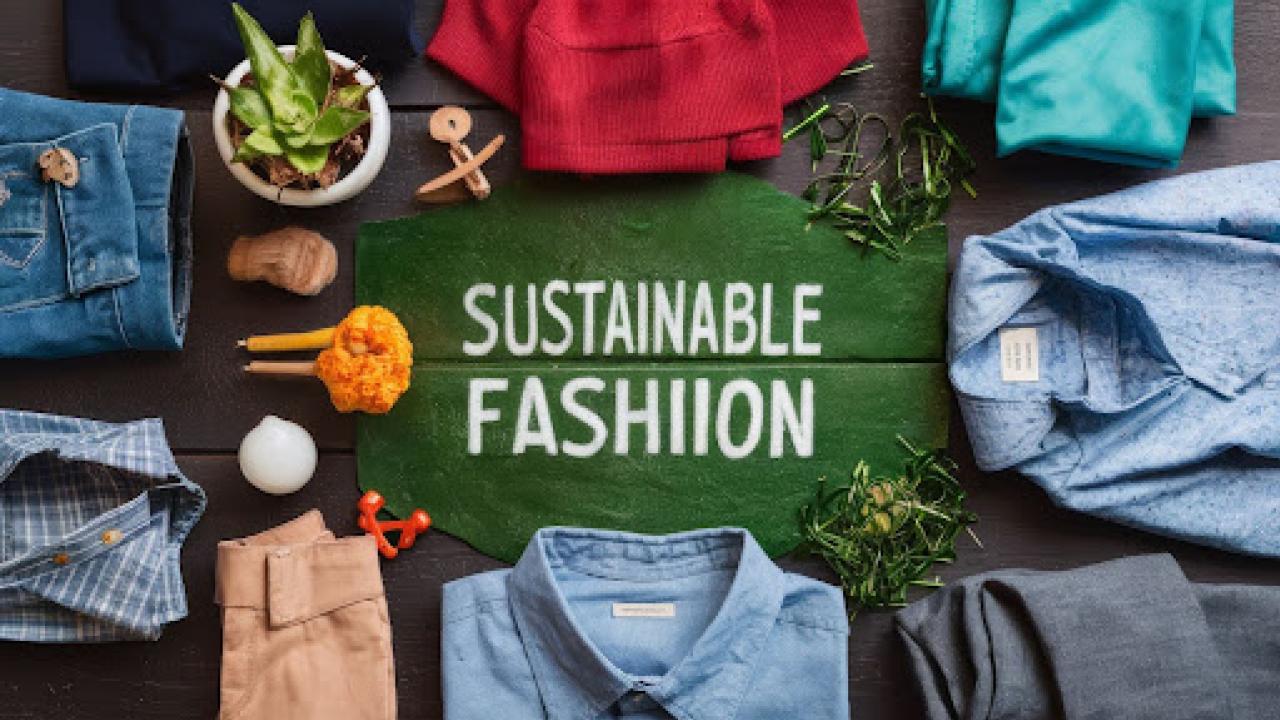

As temperatures rise everywhere in the world, we’re experiencing the drastic consequences. As our planet heats up, everybody is trying their best to adopt preventive measures to reduce the devastating effects.
One of the many ways people are trying to reduce the impact is through conscious choices in fashion. However, this has been easier said than done. Particularly due to polyester’s versatility and affordability, despite the environmental cost. Fast fashion companies are still using it, even if producing and disposing of polyester has led to significant issues.
Yes, polyester is readily available, but choosing an organic cotton top instead of a synthetic one is one less item added to the landfill. In this article, we’re going to discuss why you should turn away from polyester fabrics.
The Many Ways Polyester Harms the Planet
Greenhouse Gas Emissions
Polymerisation is the chemical reaction that makes up the main aspect of polyester production. The reaction requires extremely high temperatures, which consumes a lot of energy. Unfortunately, this energy is sourced from burning fossil fuels, such as natural gas, coal, or oil.
Fossil fuel combustion releases carbon dioxide and multiple greenhouse gases, which contribute to global warming. When you buy organic cotton tops, you’re choosing to support a production process that avoids releasing harmful gases. Polyester production simply can’t meet this goal.
Water Usage
Polyester manufacturing uses a significant amount of water. The water is mostly used for cooling during various production stages. It circulates in the equipment to cool the machinery and the molten polymer. Needless to say, this process requires a substantial amount of water, especially in large-scale factories.
Disposing this used water is also dangerous, since it’s contaminated with chemicals. It ends up affecting both human and wildlife populations if it’s discharged without treatment.
In comparison, if you buy sustainable co-ord sets for women made from organic cotton, you can rest easy. After all, the process uses substantially less amount of water by avoiding water-intensive synthetic pesticides and fertilisers. This promotes healthier soil, which retains moisture, reducing the dependence on irrigation.
Chemicals and Toxic Dyes
Dye doesn’t stick to polyester fabric without chemical treatment. Most of these chemicals are carcinogenic. Cancer, skin disorders, respiratory issues and other life-threatening illnesses are the side effects after exposure to these chemicals.
Eco-friendly organic cotton tops or dresses are dyed with natural dyes, which will mostly stain your skin and wash off without any lasting effects. That is not the case for chemically treated polyester clothes, as highlighted by Alden Wicker.
In her book, Wicker highlights the possible risks linked with the chemicals used in fast fashion. She mentions how it has led to the rise of health problems such as eczema, infertility, autoimmune diseases, and asthma.
Non-Biodegradability
The organic cotton top or co-ord set for women you buy today and throw away after a decade will degrade in the soil within 5 months. Polyester clothes do not biodegrade.
Polyester doesn’t break down in the soil and remains the same for hundreds of years. This feature is a major challenge in waste management, considering the global consumption and production of fast fashion. It also affects the soil’s microbial health.
Fashion’s reliance on polyester has given rise to a dilemma, which has triggered economic and scientific policies and strategies to handle it. The path towards dealing with it is riddled with problems, but that doesn’t mean people aren’t trying. On our part, we can be more conscious of our choices. This is why it’s important to support sustainable brands like StudioRitushar By Suchi or Nicobar at this point in time.
With concerted effort, an eco-conscious and viable fashion landscape is possible. So, choose to turn away from synthetic alternatives.