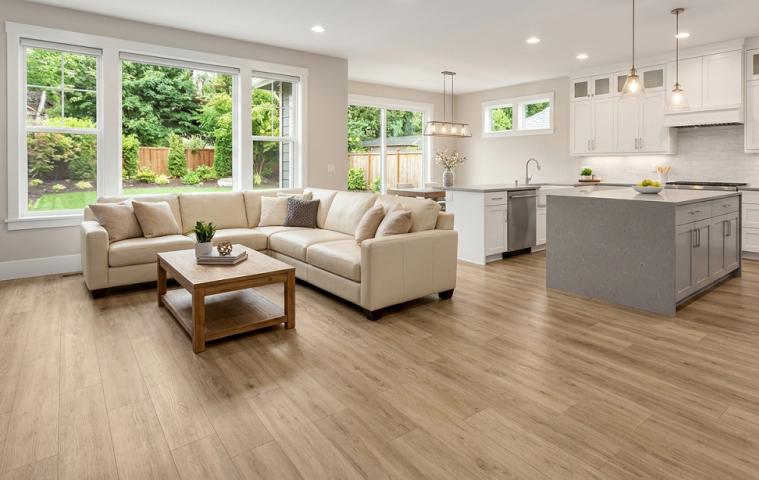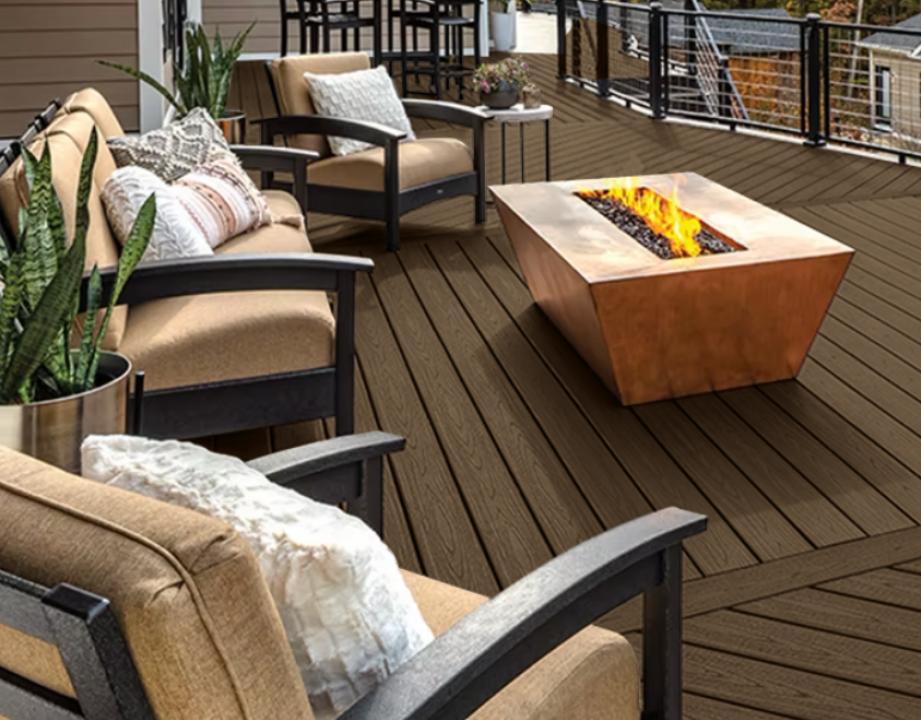
Wooden flooring is often the first choice for its timeless appeal and natural charm when designing beautiful outdoor spaces, whether it’s a backyard patio, terrace, or balcony. But as tempting as it is to bring the warmth of wooden flooring outdoors, one pressing question often stops homeowners in their tracks:
Is outdoor wooden flooring truly weatherproof?
Let’s cut through the myths and uncover the reality behind this popular question.
MYTH 1: All Wooden Flooring is Weatherproof
Reality: Not all wooden flooring is designed for outdoor use. Traditional indoor hardwood flooring should never be installed outside. It’s simply not made to withstand rain, sun exposure, or fluctuating temperatures. Using the wrong type of wood or finish outdoors can lead to cracking, warping, mold, and eventual breakdown.
What to Know: Outdoor wooden flooring needs to be either specially treated or made from weather-resistant species such as teak, ipe, cedar, or thermowood. Alternatively, WPC (Wood-Plastic Composite) and engineered outdoor decking planks offer superior resistance to the elements without compromising on the wood-look finish.
MYTH 2: Wooden Flooring Fades Quickly in the Sun
Reality: Yes, wood can fade under prolonged UV exposure—but only if it's untreated or poorly maintained. The good news is that high-quality outdoor wooden flooring comes with UV-resistant coatings that protect the surface and keep the natural color intact for longer.
What to Do: If you’re using natural wood outdoors, make sure it's sealed with UV-protective oil or stain. For even better durability, opt for factory-treated planks or UV-resistant composites that require minimal upkeep.
MYTH 3: Wooden Flooring Will Rot in the Rain
Reality: Untreated or low-quality wooden flooring can absorb moisture and rot over time, but this isn’t true for all outdoor wooden flooring. Properly treated wood, sealed edges, and correct installation techniques significantly reduce the risk of water damage.
Some outdoor wooden flooring systems are built with drainage grooves or clip-lock systems to prevent water stagnation and enhance airflow underneath the deck, minimizing moisture absorption.
MYTH 4: Wooden Flooring Outdoors Attracts Termites and Pests
Reality: Like any natural material, wood is vulnerable to insects, especially in humid conditions. However, pest resistance is not a given—it depends on the wood species and treatments used.
Teak, cedar, and redwood naturally repel termites, while pressure-treated or chemically infused woods can resist pests for years. Composite wooden flooring (WPC) also offers termite resistance without needing special treatment.
MYTH 5: Outdoor Wooden Flooring Requires High Maintenance
Reality: While it's true that outdoor wooden flooring needs more care than ceramic tiles or concrete, it's far from being high maintenance—if chosen and installed correctly.
Modern outdoor wooden flooring systems come pre-treated with moisture-resistant, anti-fungal, and anti-slip coatings. Some even feature scratch-resistant layers and no-fade finishes. A simple routine of cleaning, occasional resealing, and regular inspection is usually enough to keep your outdoor floors in great shape.
The Reality: Today’s Outdoor Wooden Flooring is Built to Withstand the Elements
Thanks to advancements in treatment technologies, finishes, and engineered materials, outdoor wooden flooring is no longer a risky investment. Whether you choose:
- Natural wood (like teak, ipe, or cedar)
- Thermally modified wood (heat-treated for stability)
- Composite wood (WPC or hybrid laminated decking)
…you can enjoy weather-resistant performance without compromising on aesthetics.
What to Look for in Weatherproof Outdoor Wooden Flooring
To ensure true weather resistance, always check for:
- Wood species suitable for exterior use
- Anti-UV, water-repellent, and anti-fungal coatings
- Moisture-resistant core or layers
- Factory-treated or thermally modified finish
- Proper subfloor and ventilation setup
- Warranty against weather-related wear
Final Thoughts: Go Natural, But Be Smart
Outdoor wooden flooring can be weatherproof, but only when the right materials are paired with proper installation and care. Don’t fall for the myth that all wooden planks are ready to face the elements—be selective.
If you love the look of wood and want it to last outdoors, invest in quality, choose wisely, and maintain regularly. The result? A stunning outdoor space that ages gracefully and weathers beautifully—just like good wood should.