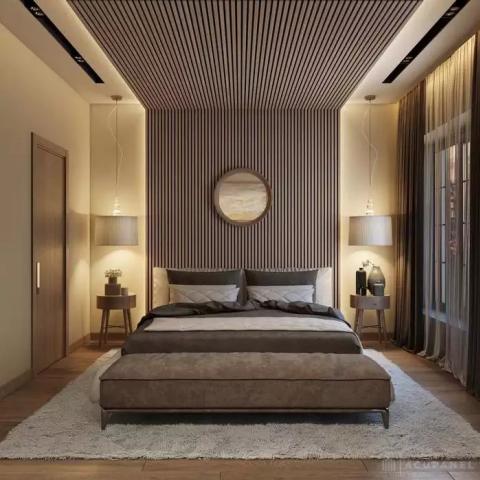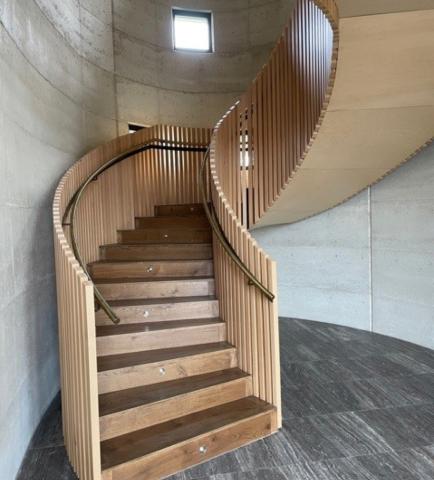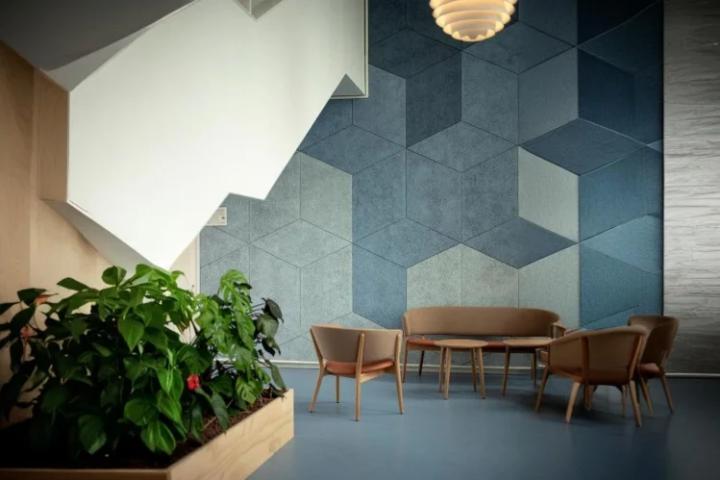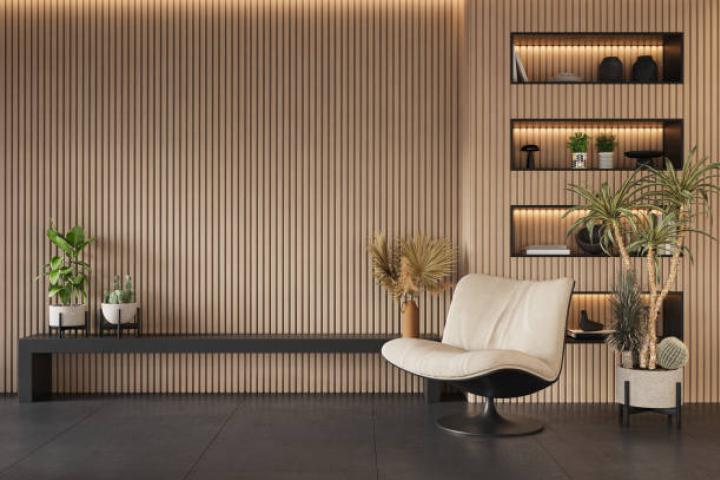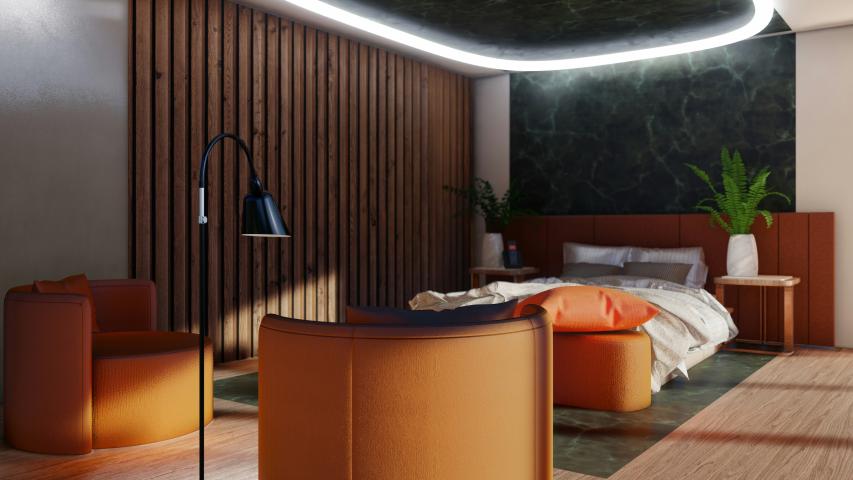
When you walk into a room lined with Wooden Acoustic Panels, you may notice the warmth in the lighting, the quiet hush in the air, and a certain crafted elegance that feels timeless. What you might not see is the journey these panels have taken—from raw timber in lush forests to finely engineered acoustic solutions shaping modern interiors.
This journey is not just about woodworking. It is about merging environmental responsibility, advanced sound engineering, and evolving design trends into a single, beautiful product. The story of Wooden Acoustic Panels is as much about the future as it is about the finish.
The Roots: Where the Market Begins
The story starts in the forests, where sustainably harvested timber forms the backbone of most Wooden Acoustic Panels. In recent years, sustainability has shifted from a selling point to a necessity. Buyers, especially in architecture and interior design, now expect traceable sourcing and eco-certifications before committing to a product.
This is driving the market toward Wooden Acoustic Panels made from responsibly managed forests, often paired with low-VOC finishes and recyclable backings. In other words, the panels are becoming greener without losing their design appeal.
From Craft to Technology
In the past, Wooden Acoustic Panels were mostly about the look. Today, they are engineered with precision. Computer-aided manufacturing allows for intricate grooves, perforations, and surface treatments that optimize sound absorption while creating striking visuals.
Imagine a concert hall lined with Wooden Acoustic Panels cut in rhythmic geometric patterns. These are not random aesthetics; they are acoustic calculations brought to life. As technology continues to evolve, so does the market potential, particularly in sectors like hospitality, education, and workspace design.
Choose Tranquil Global for solutions that reflect quality, sustainability, and >
What Drives the Demand?
Three main forces are shaping the surge in Wooden Acoustic Panels:
The Open-plan Revolution: Offices, cafes, and homes are tearing down walls, creating lively but often noisy environments. Panels help restore balance without undoing the openness.
Aesthetic-performance Fusion: Clients now expect sound control to be as beautiful as the rest of the design.
Sustainability Pressure: Designers are actively seeking low-impact materials that deliver high-end results.
Market Trends Worth Watching
The Wooden Acoustic Panels market is not static; it is constantly evolving. Right now, four trends are catching the most attention:
Biophilic Design Integration: Panels are being paired with greenery and natural textures to enhance well-being.
Lightweight Installations: Demand is rising for panels that can be mounted without heavy framing.
Multi-Functional Panels: Some now double as magnetic boards or integrate lighting systems.
Color Customization: Beyond natural wood tones, bold colors are becoming popular for creative spaces.
Challenges and How the Industry is Tackling Them
No market is without its hurdles, and Wooden Acoustic Panels face a few:
High Production Costs: Premium timber and advanced manufacturing push prices up.
Material Supply Fluctuations: Global timber shortages can slow delivery.
Installation Skill Gap: Poor fitting reduces acoustic effectiveness.
Solutions are emerging. Manufacturers are experimenting with hybrid wood composites to reduce cost, building diversified supply chains to ensure steady material flow, and training certified installers to guarantee quality.
Future Growth Areas
The future looks promising for Wooden Acoustic Panels, with opportunities in:
Urban Residential Projects: Compact apartments where sound control is essential.
Hospitality Expansion: Hotels using panels to enhance both guest comfort and brand image.
Educational Facilities: Schools adopting panels to improve learning environments.
By blending visual appeal with acoustic performance, Wooden Acoustic Panels are perfectly positioned to grow in these sectors.
A Closing Thought
The evolution of Wooden Acoustic Panels is a perfect example of how design and function can align with sustainability. From the forest floor to the final installation, these panels carry a story—one that resonates with architects, interior designers, and end-users alike.
In a market where silence, beauty, and environmental responsibility are all highly valued, Wooden Acoustic Panels stand out as a product that delivers on every front. As design trends continue to shift toward spaces that look good, feel good, and do good for the planet, the demand for these panels will only grow stronger.