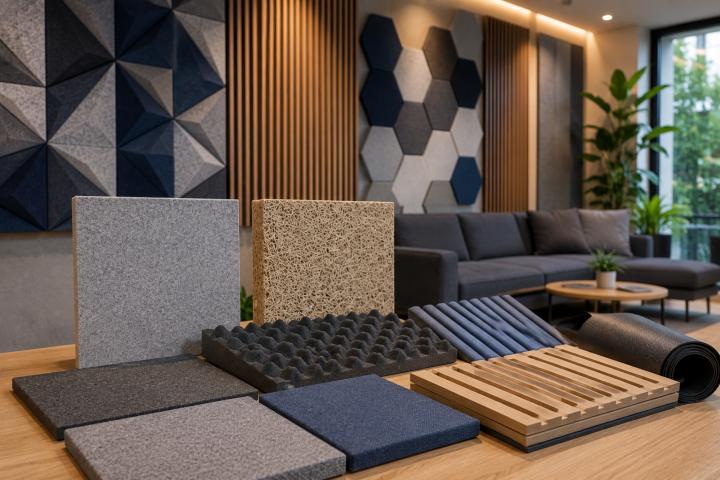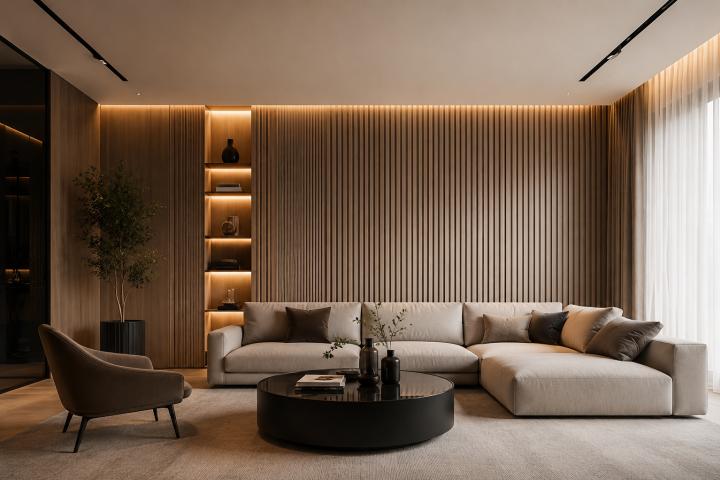

Quick Summary: Acoustic wooden panels have revolutionized how spaces manage sound while maintaining aesthetic appeal. Understanding the differences between slat designs, grooved patterns, and perforated holes is essential for selecting the right wood acoustic paneling for your specific needs. This guide breaks down each panel type, its acoustic properties, installation considerations, and ideal applications to help you make an informed decision for your project.
About Acoustic Wooden Panels
Acoustic wooden panels combine natural wood beauty with sound-absorbing technology, making them ideal for modern spaces that demand both >
Acoustic wooden panels work by directing sound waves into the material, where they're absorbed or diffused. The specific design of wood acoustic paneling determines how effectively it performs. Slats, grooves, and holes represent three distinct approaches to achieving acoustic performance, each offering unique benefits and aesthetic qualities.
The construction of acoustic wooden panels typically involves a base layer of sound-absorbing material like mineral wool or fiberglass, covered with specially designed wooden veneers. This hybrid approach ensures acoustic wooden panels deliver exceptional sound control while providing the warmth and sophistication of genuine wood.
Understanding Slat Acoustic Wooden Panels
Slat acoustic wooden panels feature evenly spaced wooden strips running vertically, horizontally, or diagonally across the panel surface. These acoustic wooden panels create visual interest while allowing sound waves to penetrate between the slats and reach the absorptive material beneath.
The spacing between slats in wood acoustic paneling is critical to performance. Wider spacing allows more sound energy to enter the panel, making these acoustic wooden panels effective across a broader frequency range. Narrower spacing can create a more refined aesthetic while still providing significant acoustic benefits.
Slat->
Installation of slat acoustic wooden panels typically involves mounting them on walls using a standard frame system. The modular nature of these acoustic wooden panels makes them suitable for both residential and commercial applications. Many designers prefer slat panels because they offer superior visual appeal compared to other acoustic wooden panel >
Slat wood acoustic paneling comes in various wood species, finishes, and spacing configurations. This variety allows architects and designers to create customized acoustic wooden panel solutions that match specific design requirements while maintaining acoustic performance.
Exploring Grooved Acoustic Wooden Panels
Grooved acoustic wooden panels feature continuous indentations or channels running across their surface. These grooves in wood acoustic paneling serve both aesthetic and acoustic purposes, creating visual texture while directing sound waves into the panel's absorptive core.
The groove pattern in acoustic wooden panels influences how sound behaves. Deeper grooves in wood acoustic paneling tend to provide better acoustic performance by creating more surface area for sound interaction. The groove direction also matters, with different orientations producing varying acoustic and visual effects.
Grooved acoustic wooden panels offer a sophisticated, contemporary appearance that works well in office spaces, boardrooms, and upscale residential environments. The continuous nature of the grooves creates a seamless, refined aesthetic that distinguishes these acoustic wooden panels from other >
The acoustic performance of grooved wood acoustic paneling is consistent across frequencies, making these panels versatile for various applications. Unlike slat panels that excel at specific frequencies, groove-designed acoustic wooden panels provide balanced absorption across the acoustic spectrum.
The installation of groove acoustic wooden panels is straightforward and similar to standard wall paneling. The interlocking nature of many groove patterns in wood acoustic paneling provides stability and creates a professional appearance once installed. These acoustic wooden panels require minimal additional framing for a polished result.
Investigating Perforated Acoustic Wooden Panels
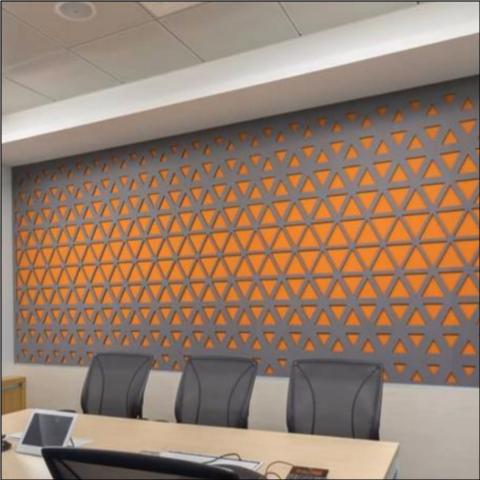
Perforated acoustic wooden panels feature carefully designed hole patterns that combine form and function. These wood acoustic paneling systems use precision-drilled or routed holes to control sound absorption while creating striking visual designs.
The hole size and density in acoustic wooden panels directly affect their acoustic properties. Larger holes with greater spacing allow more sound penetration, while smaller, denser hole patterns restrict sound passage and create different absorption characteristics. This flexibility makes perforated wood acoustic paneling suitable for diverse applications.
Acoustic wooden panels with perforations offer unprecedented design freedom. Manufacturers create custom hole patterns in wood acoustic paneling that range from geometric designs to artistic arrangements. This makes perforated acoustic wooden panels ideal for projects where aesthetics are as important as acoustic performance.
Perforated acoustic wooden panels excel in spaces requiring both sound control and visual impact. Recording studios, broadcast facilities, and modern offices increasingly choose wood acoustic paneling with decorative perforation patterns that serve as both functional elements and design features.
The acoustic performance of perforated wood acoustic paneling depends on proper backing material selection. These acoustic wooden panels work best when paired with appropriate absorptive materials that complement the perforation pattern's acoustic properties.
Read to know more about acoustic wooden panels: Wood, Warmth, Wellness… but are you caring for your Acoustic Wood Panel Wall?
Comparing Acoustic Performance
Each type of acoustic wooden panel offers distinct advantages. Slat acoustic wooden panels provide superior low-frequency absorption and create natural visual texture. Groove->
When selecting between slat, groove, and perforated acoustic wooden panels, consider your primary acoustic concern. Are you primarily managing voice noise, controlling reverberation, or addressing specific frequency issues? Your answer determines which wood acoustic paneling >
The frequency response of acoustic wooden panels varies significantly by design. Slat panels work best for low-frequency control, grooved panels perform consistently across frequencies, and perforated panels can be optimized for specific frequency ranges depending on hole size and density.
Testing acoustic wooden panels before full installation helps confirm performance in your specific space. Professional acoustic consultants can measure the actual noise reduction achieved by different wood acoustic paneling >
Installation and Design Considerations
Different acoustic wooden panels require different installation approaches. Slat panels typically mount on horizontal or vertical battens, groove panels often include interlocking systems, and perforated panels may use specialized mounting systems designed to optimize their acoustic properties.
Room dimensions significantly influence which wood acoustic paneling works best for your space. Larger rooms benefit from acoustic wooden panels with varied designs, while smaller spaces may require different acoustic wooden panel types to achieve proper sound control.
The wood species selected for your acoustic wooden panels affects both appearance and durability. Hardwoods provide greater durability for acoustic panels in high-traffic areas, while lighter woods offer aesthetic advantages in certain design schemes. All authentic acoustic wooden panels using quality wood maintain excellent performance regardless of the species chosen.
Maintenance of acoustic wooden panels is simpler than that of other acoustic materials. Wood acoustic paneling resists dust accumulation better than foam alternatives, and periodic dusting keeps acoustic wooden panels looking new for years.
Sustainability and Longevity
Modern acoustic wooden panels increasingly feature sustainable materials and manufacturing processes. Many producers of wood acoustic paneling source materials responsibly, making eco-conscious acoustic wooden panels a viable option for environmentally aware projects.
The longevity of acoustic wooden panels surpasses many alternative materials. Quality wood acoustic paneling maintains aesthetic and acoustic properties for decades when properly installed and maintained. This durability makes acoustic wooden panels an excellent long-term investment.
Acoustic wooden panels don't degrade from normal indoor humidity and temperature fluctuations like some synthetic alternatives. The natural stability of wood acoustic paneling makes these systems reliable for permanent installations in diverse environments.
Choose the Right Acoustic Wood Panel with Tranquil Global
Choosing the right acoustic wooden panels requires understanding how slats, grooves, and perforations affect both sound performance and design outcomes. At Tranquil Global, we specialize in helping clients select wood acoustic paneling solutions that perfectly balance acoustics and aesthetics.
Whether you're designing a recording studio, office space, or luxury home, our acoustic wooden panel experts can guide you toward the ideal solution. Contact Tranquil Global today to discover how our premium acoustic wooden panel systems can transform your space into an acoustically perfect environment that looks absolutely stunning.
FAQs
Which acoustic wooden panel type absorbs the most sound?
Slat acoustic wooden panels generally provide the greatest low-frequency absorption, while groove panels offer consistent absorption across frequencies. Perforated wood acoustic paneling performance depends on hole size and backing material. The best choice depends on your specific acoustic needs rather than total absorption volume.
Can I use acoustic wooden panels in bathrooms or kitchens?
While acoustic wooden panels can technically be installed in moisture-prone areas, they're not ideal for bathrooms or kitchens without a protective coating. Specialized wood acoustic paneling with moisture-resistant finishes is available, but traditional acoustic wooden panels perform best in climate-controlled interior spaces away from direct water exposure.
How much do acoustic wooden panels cost compared to other options?
Acoustic wooden panels typically cost more than basic foam alternatives but less than some specialized acoustic systems. The investment in wood acoustic paneling pays dividends through superior durability and aesthetic value. Actual acoustic wooden panel pricing depends on wood species, size, and design complexity of your chosen system.
Are acoustic wooden panels fire-rated?
Many acoustic wooden panels meet standard fire-safety ratings for interior use. However, fire ratings vary by manufacturer and product line. Always verify fire ratings for your specific wood acoustic paneling before installation, particularly in commercial or public-facing spaces where fire codes are stringent.
How do I clean acoustic wooden panels?
Acoustic wooden panels require minimal maintenance. Simply dust with a soft cloth or soft-bristled brush regularly to maintain appearance. For stubborn marks on wood acoustic paneling, use a slightly damp cloth with mild soap. Avoid excessive moisture and harsh chemicals that could damage the wood acoustic paneling finish.