Perfectly smooth surfaces have dominated interiors for a long time. Clean lines. Polished finishes. Seamless walls. Minimal textures. However, something interesting is happening now. Designers are becoming more comfortable with materials that show character. A visible grain. A rough edge. A slightly uneven surface. A texture that looks handmade rather than manufactured.
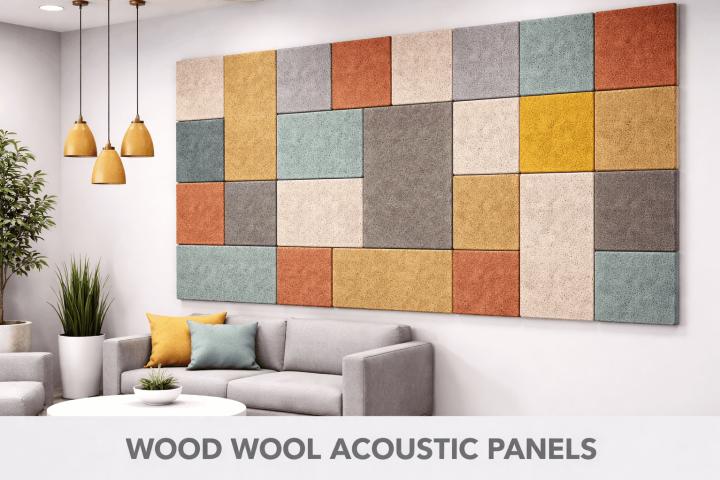
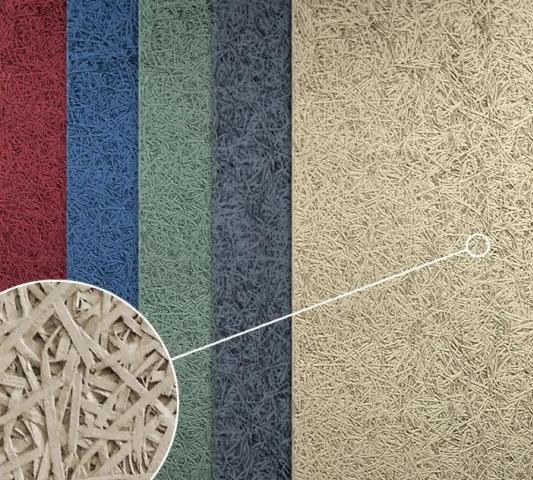
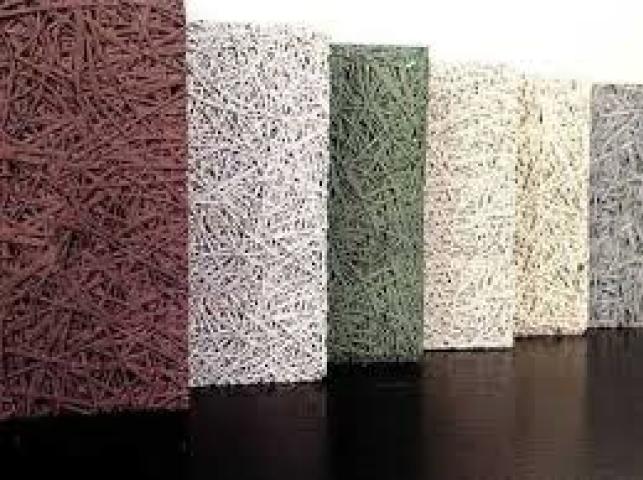
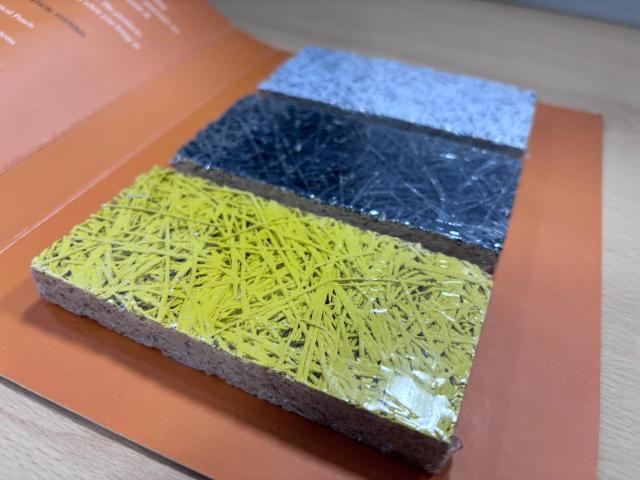
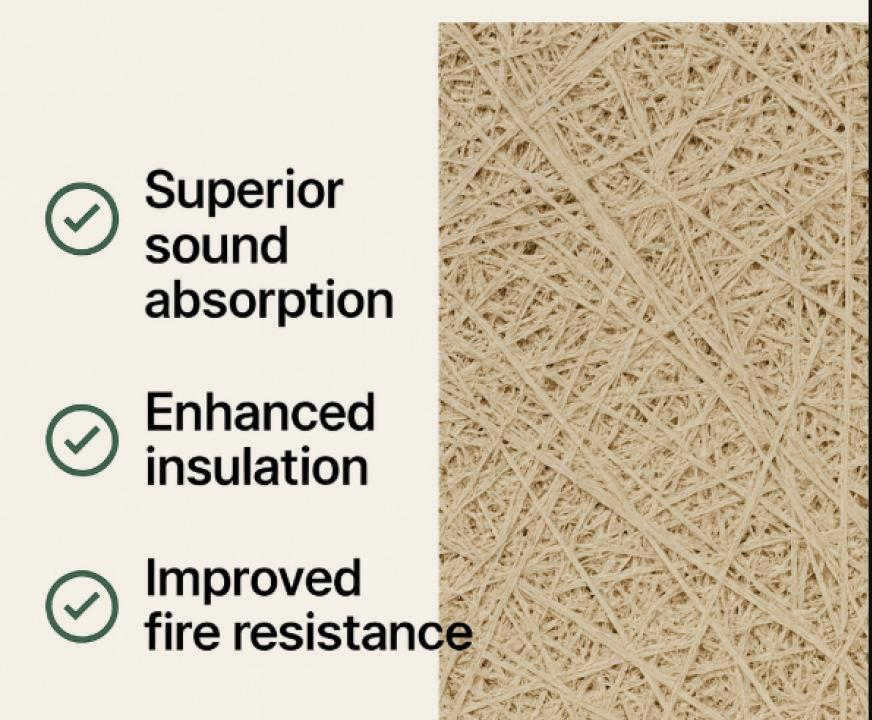
This growing appreciation for imperfection has created an interesting space for the Wood Wool Acoustic Panel. Wood wool has a distinctive appearance. Its visible wood fibres create a textured surface that feels natural and tactile. Instead of trying to hide its material identity, the panel makes that identity part of the design.
At the same time, it can contribute to the acoustic comfort of an interior. So, why is imperfect texture becoming an advantage rather than a flaw? Let's look at it factor by factor.
1. Smooth Interiors can Sometimes Feel too Predictable
Minimalism has its appeal.
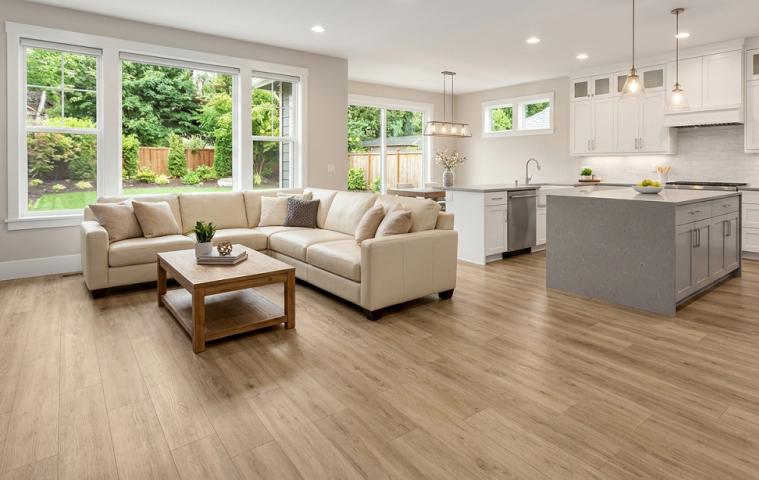
A clean white wall or perfectly finished ceiling can make a room feel spacious and refined. But when every surface is equally smooth, the interior can sometimes lack depth. Texture changes that. It gives the eye something to explore. The natural irregularity of wood wool introduces visual variation without requiring elaborate decoration.
That makes the material particularly interesting for designers who want simplicity without creating a space that feels flat.
2. Imperfection Makes Materials Feel More Natural
There is something reassuring about seeing the material itself.
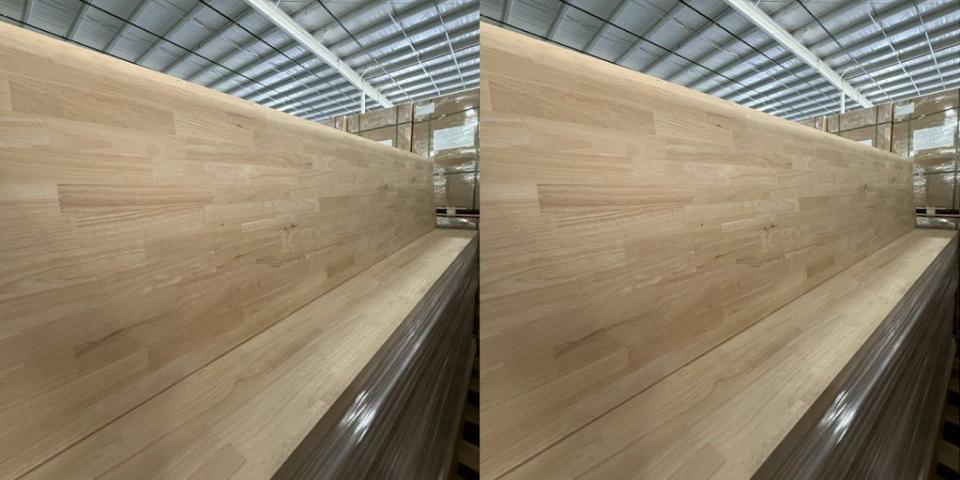
Wood fibres, grain patterns, and small variations remind us that the surface is not simply a printed finish. This can make an interior feel more connected to natural materials. A Wood Wool Acoustic Panel does not need to imitate wood through a photographic pattern. Its actual fibres create the texture.
That authenticity can become part of the atmosphere of the room.
3. Texture Adds Depth without Adding Clutter
A feature wall does not always need artwork or decorative objects.
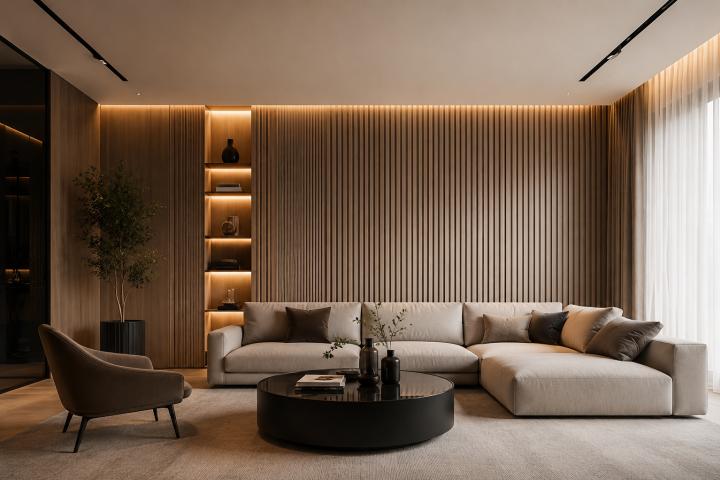
Sometimes, the surface itself can provide enough visual interest. Wood wool creates depth through its fibrous structure. The effect can be subtle from a distance. It can also be more noticeable when viewed closely.
This allows designers to introduce character without overwhelming the rest of the interior.
4. Acoustic Treatment becomes More Visually Interesting
Acoustic products have traditionally been associated with functionality.
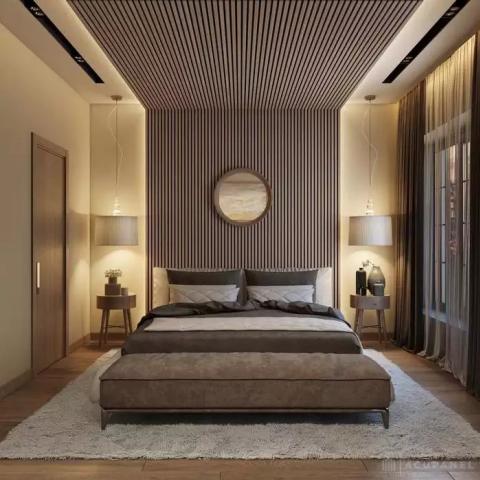
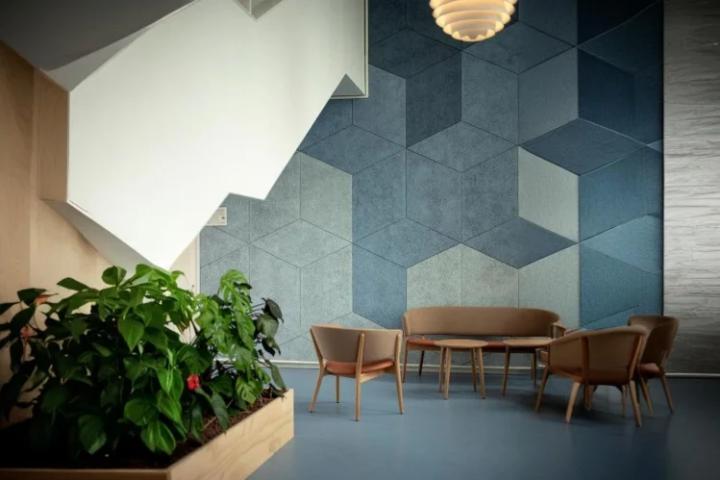
They are installed because a room needs better sound control. However, modern interiors increasingly expect technical materials to contribute to the overall design. The textured appearance of a Wood Wool Acoustic Panel makes this easier. Instead of trying to conceal the acoustic treatment, designers can make it part of the visual composition.
The panel can become a deliberate architectural surface.
5. Natural Texture Works Well with Modern Materials
Contemporary interiors often combine contrasting materials.
Think glass alongside wood. Then, metal beside textured surfaces. Concrete paired with softer finishes. The contrast creates balance. Wood wool can work particularly well in such combinations because its natural texture softens visually harder materials.
A highly modern space can therefore gain warmth without losing its contemporary character.
Read to know more about wood wool panel here: Why Wood Wool Ceilings are Considered as Secret Weapon for Noise-free Interiors?
6. The Material Creates a More Tactile Experience
Interior design is often discussed visually.
But people experience spaces through more than sight. Texture affects how a room feels. A fibrous surface can make a space feel warmer and more approachable than a completely smooth finish.
This tactile quality can be particularly useful in a lot of places. This includes hospitality, workplace, educational, and public interiors. Especially, where designers want the environment to feel welcoming.
7. A Wood Wool Ceiling can Break the Flatness
The ceiling is often overlooked when it comes to texture.
Yet it is one of the largest surfaces in most rooms. A completely flat ceiling can disappear into the background. Introducing a textured ceiling changes that relationship. A Wood Wool Ceiling can add visual depth overhead while becoming part of the acoustic strategy.
The result can be a ceiling that feels intentional rather than simply functional.
8. Texture can Help Define Different Areas
Open interiors often need subtle forms of zoning.
There may be a collaboration area, a private meeting space, a lounge, and a circulation zone within the same larger room. Different materials can help visually distinguish these areas. Wood wool can contribute to that approach through changes in placement, pattern, orientation, or coverage. The material does not necessarily need to form a solid barrier.
Sometimes, a change in surface treatment is enough to suggest that one area serves a different purpose.
9. Imperfect Surfaces can Feel Less Institutional
Some commercial interiors can become overly uniform.
Every wall is smooth. Plus, every ceiling is identical. Then, every finish follows the same visual language. While this can look neat, it may also make a space feel impersonal. This is because natural texture introduces variation. The irregular fibre structure of wood wool can make an environment feel more relaxed and less clinical.
That can be particularly valuable in spaces designed around human interaction.
10. Texture Supports Biophilic Design Ideas
Biophilic design is not limited to adding plants.
It can also involve natural materials, organic patterns, textures, daylight, and visual connections with nature. Wood-based surfaces naturally fit into this conversation. A textured acoustic panel can introduce a material quality that feels more organic than many synthetic-looking finishes.
For designers exploring nature-inspired interiors, wood wool can therefore become one part of a broader material palette.
The Bigger Design Shift
The growing interest in wood wool reflects a broader movement in interior design.
People are becoming more interested in natural textures, tactile materials, material honesty, and spaces that feel comfortable rather than overly polished.At the same time, acoustic comfort is becoming increasingly important. These two trends meet naturally in wood wool acoustic applications. The material can bring texture to a space while contributing to its acoustic strategy.
That combination is what makes it particularly relevant to contemporary interiors.
Conclusion
The appeal of the Wood Wool Acoustic Panel lies partly in what makes it different.
It does not need to look perfectly smooth. It does not need to disappear. Its visible fibres and natural texture can become part of the architectural character of a room. A Wood Wool Ceiling can add depth overhead. A textured wall can become a feature. A carefully planned acoustic surface can contribute to both visual warmth and sound management. In an interior world that is increasingly interested in authenticity, perhaps imperfect texture is not something to correct.
Perhaps it is something worth designing around.
Give Your Interiors Texture with a Purpose
A good acoustic material should not have to disappear into the background. When performance and design are considered together, the surface itself can become part of the interior story. Tranquil Global provides acoustic solutions that help architects and designers explore this balance between sound control and visual character. With the right application, textured acoustic materials can bring warmth, depth, and acoustic comfort into contemporary spaces.
FAQs
What is a Wood Wool Acoustic Panel?
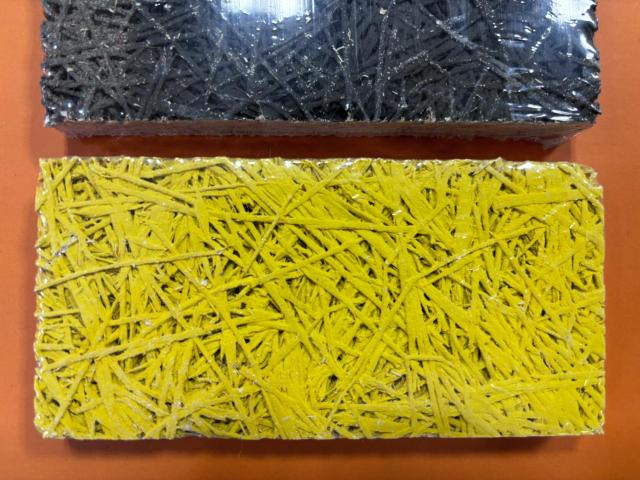
A Wood Wool Acoustic Panel is an acoustic treatment made using wood fibres combined with a suitable binder. It is designed to help absorb sound and can also provide a distinctive textured finish for interior spaces.
Why is the texture of wood wool considered an advantage?
Its visible fibres create a natural, tactile appearance that can add depth and character to walls and ceilings. This allows acoustic treatment to become part of the interior design.
Where can a Wood Wool Ceiling be used?
It can be considered for offices, educational spaces, hospitality environments, public buildings, studios, and other interiors where ceiling acoustics and visual design are both important.
Does wood wool only provide a decorative effect?
No. Wood wool acoustic products are designed with sound absorption in mind. Their actual acoustic performance depends on factors such as product construction, thickness, installation, and room conditions.
Can wood wool work with minimalist interiors?
Yes. A textured wood wool surface can add visual interest to a minimalist space without requiring additional decorative elements.